
Debt Busters
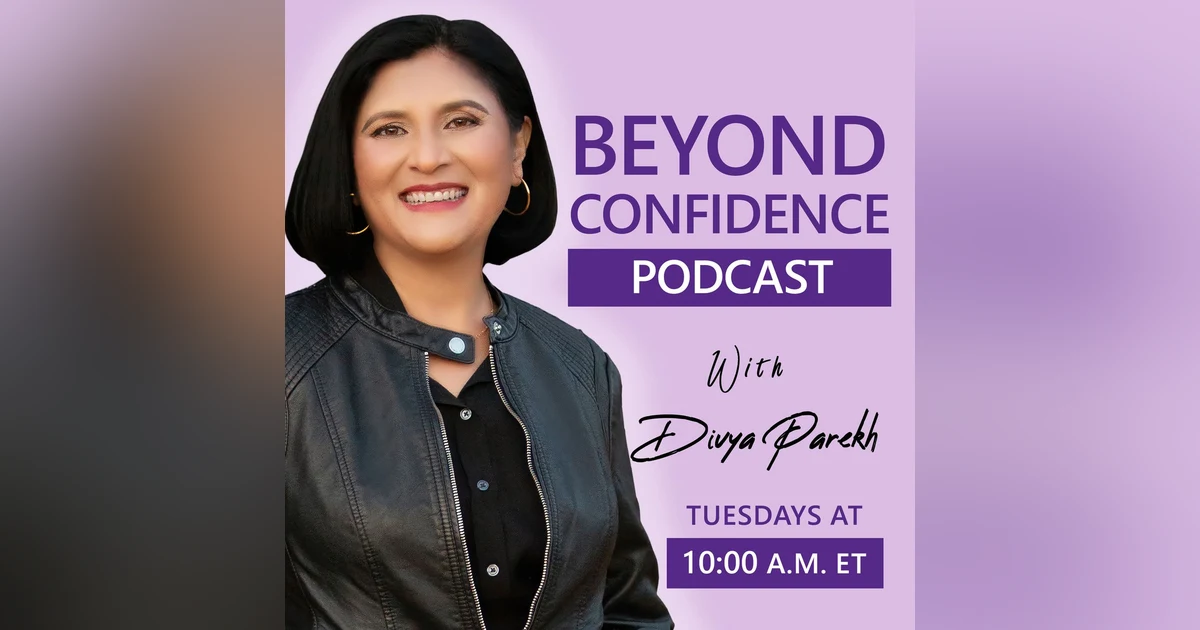

Ready to tackle the 800-pound gorilla in America's financial room? Tune in to this eye-opening episode where Divya Parekh welcomes guest Mitch Francis for a no-holds-barred conversation about America's $34 trillion albatross. He's got a foolproof plan...
 iHeartRadio iHeartRadio
 Spotify Spotify
 Youtube Music Youtube Music
 Amazon Music Amazon Music
 Apple Podcasts Apple Podcasts
 Pandora Pandora
 Audible Audible
 Podchaser Podchaser
 Audacy Audacy
 Spreaker Spreaker
 Deezer Deezer
 Podcast Addict Podcast Addict
 JioSaavn JioSaavn
 TuneIn TuneIn
 Castbox Castbox
 Castamatic Castamatic
 Castro Castro
 Fountain Fountain
 Goodpods Goodpods
 Overcast Overcast
 PlayerFM PlayerFM
 PocketCasts PocketCasts
 Podimo Podimo
 Podurama Podurama
 Podverse Podverse
 Podyssey Podyssey
 RSS Feed RSS Feed
 YouTube YouTube iHeartRadio iHeartRadio Spotify Spotify Youtube Music Youtube Music Amazon Music Amazon Music Apple Podcasts Apple Podcasts Pandora Pandora Audible Audible Podchaser Podchaser Audacy Audacy Spreaker Spreaker Deezer Deezer Podcast Addict Podcast Addict JioSaavn JioSaavn TuneIn TuneIn Castbox Castbox Castamatic Castamatic Castro Castro Fountain Fountain Goodpods Goodpods Overcast Overcast PlayerFM PlayerFM PocketCasts PocketCasts Podimo Podimo Podurama Podurama Podverse Podverse Podyssey Podyssey RSS Feed RSS Feed YouTube YouTube
Ready to tackle the 800-pound gorilla in America's financial room? Tune in to this eye-opening episode where Divya Parekh welcomes guest Mitch Francis for a no-holds-barred conversation about America's $34 trillion albatross. He's got a foolproof plan to keep America's balance sheet in the black for good.
Don't overlook this transformative conversation. It's time to transform America's biggest liability into its most inspiring comeback story!
Beyond Confidence is broadcast live Tuesdays at 10AM ET on W4WN Radio - Women 4 Women Network (www.w4wn.com) part of Talk 4 Radio (www.talk4radio.com) on the Talk 4 Media Network (www.talk4media.com). Beyond Confidence TV Show is viewed on Talk 4 TV (www.talk4tv.com).
Beyond Confidence Podcast is also available on Talk 4 Media (www.talk4media.com), Talk 4 Podcasting (www.talk4podcasting.com), iHeartRadio, Amazon Music, Pandora, Spotify, Audible, and over 100 other podcast outlets.
Become a supporter of this podcast: https://www.spreaker.com/podcast/beyond-confidence--1885197/support.
0:00 The topics and opinions expressed on the following show are solely those of the hosts and their guests, and not those of W four WN Radio it's employees or affiliates. We make no recommendations or endorsement for radio show programs, services, or products mentioned on air or on our web. No liability, explicit or implied shall be extended to W four WN Radio, its employees or affiliates. Any questions or common should be directed to those show hosts. Thank you for choosing W four WN Radio. This is Beyond Confidence with your host w Park. Do you want to live a more fulfilling life? Do you want to live your legacy and achieve your personal, professional, and financial goals? Well? Coming up on dvparks Beyond Confidence, you will hear real stories of leaders, entrepreneurs, and achievers who have stepped into discomfort, shattered their status quo, and are living the life they want. You will learn how relationships are the key to achieving your aspirations and financial goals.
0:52 Moving your career business forward does not have to happen at the expense of your personal or family life or vice versa. Learn more at WWDS You Done Divpork dot com and you can connect with divants contact Dants divpark dot com. This is beyond confidence and now here's your host, div Park. Good morning listeners. So we were having some technical difficulty. I was having it so but that said, I just want to think one for his kindness. He is always there, so so appreciate you one. And for those of you who have got our books, they appreciate you. Please be sure to get our books because not only they're going to change your lives, you will be helping us help entrepreneurs change their lives because part of the profits go towards Kiva dot org. And I can tell you entrepreneurs are special and so are you. So let's get started with today's show and let's bring in our gain.
2:02 Good morning do you? Good morning Madge. So we get started from you know, one of the earlier days in your life. Do you have from your childhood or early youth that you remember even now? It can be a moment, a person, an experience that left a positive mark on you. Yeah, I actually do. And it turned out to be the most intelligent thing that anyone has ever said to me. I was a commercial real estate broker and I had just started and I had done a couple of transactions, successful transactions, very very quickly, and there was a secretary at the company that I was with, and you know, she was congratulating me, and you know, I was being kind of, you know, modest, and I said, you know, I was just in the right place in the right time, and she got angry at me, and she actually said, that's not it. And I was really taken aback, and she said, that's not what's important. What's important is not being in the right place at the right time, but knowing you are. And it's stuck with me. It's just always stuck with me, that opportunities pass all of us like a river all the time, and it's recognizing what opportunities are right for us for who we are and capitalize on those. And again, I apologize for kind of
3:34 going on and on, but it really was and still is the most important interesting thing that anyone's ever said to me. Well, that is very profound and very true. If you think about it, it's sort of contrainitive. But at the same token, how can you be at the right place and at the right time unless you recognize that the opportunity is right for you and that comes when you're in alignment with yourself. Yes, yeah, you're right, know yourself, know what you can do, and recognize that something is an opportunity. Yeah, it's pretty heavy stuff. It is. It is. So tell us you started out in real estate, so I'm assuming that was the first part of your career, and did you continue in real estate or did your career take a charm.
4:24 Well, I've actually always been in real estate. As a kid, I recognized the power of real estate. I was always interested in architecture. I was actually one of the first real estate majors in the country. I went to the University of Colorado, and there are only a couple of places in the whole country universities that offered a major in real estate. So I did. I was a major and got all that information. I moved to California, became a real estate broker, and then I became a developed not very long after. Just after a couple of years as as a commercial broker, I kind of felt I knew what I was doing. Like like all young people, they you know, they think more highly of themselves and there is probably appropriate, but I did it, and uh, and I've always been involved ever since. In commercial real estate too, uh to where I've I've I've actually had lots of other business interests that you know, that have really taken my pretty much my full time energies, but always been involved in in real estate, you know, more in the background. And today I still own commercial real estate across many states in the US.
5:40 That's fantastic. So what made you stay with commercial real estate? You know, I've I've learned that if you're smart about the assets you buy, and you know, that's true with with any investment, if you are you know, selective on what you buy and how you manage it, you can you can make pretty safe bets. And and over the years, I've recognized that that the commercial real estate that I've been focused on has been actually a very very safe investment.
6:20 And it's you know, continued to go up as rents, you know, increase every you know, when Lisa's turnover every you know, five years or ten years, you know, keep getting more money. And I will say that that one of the things that has worked really really well for me, and maybe of interest to your audience, is I have no debt on my properties. And they did start with debt, most of them, but as we were able to pay off debt and you know, and and uh and get free of that, it became also very clear to me that there's incredible safety in that that. You know, the economy cyclical. Real estate is cyclical. Most every everything in life and certainly in business goes through cycles. And if those cycles are not going to hurt you, you know, if you have a vacancy and all you have to cover, you know, are some utilities and property taxes, you're probably going to survive. But if you also had debt service, you might lose your property, lose your investment. So that was one of the major keys for me in recognizing the safety and the I guess the good business tactic of not having debt.
7:33 Yeah, no, definitely. So you talked about how business and lives are cyclical, So going to the pandemic. Since post pandemic, there has been definitely an impact on commercial real estate because so many companies have gone fully remote because of the employee is having that freedom to work from outside. And like you know, there are a lot of young employees who are traveling and working because they can work remote, and a lot of companies have come back as well where they've created hybrid because they have recognized the value of having people in the office. That said, there's still a lot of properties that are becoming vacant. And I'm sure a lot of people will have this question that, Mitch, but all these changes going on, what advice can you give to someone if they were looking to invest in commercial real estate and how would they go about it?
8:42 Well, I, you know something, there's a saying in golf it's better to be lucky than good, and I have to say that I've been pretty lucky in. Keying in on a type of real estate that I have. I own virtually you know, all all that I own are single tenant, triple net properties, so like like stores, like freestanding stores, gas stations, things like that. So I haven't had the kind of exposure that you're talking about that that is very very real, very very serious. And I've you know, I've been been very fortunate, probably more fortunate than smart, in having those kind of investments in my real estate portfolio. But I will say and answer your question that it's important to be flexible, be creative.
9:36 If you've got a property, if you have an office building that's got vacancies, Well, what other use can you bring in you know, can it be low income housing. You know, there's a big trend in that of converting you know, empty ghost buildings into low income housing. Get people you know who are homeless off the streets and the you know, the local journey stictions in the states and even the federal government are trying to find housing for people. Maybe that's an answer. There's all kinds of different different things going on with with office space. I've seen I've seen where they're actually using indoor uh uh farming, you know, in commercial buildings to take up the space and have multi tiered levels of farming, hydroponic farming. And it's you know, again, be creative. Whatever works, whatever you can pull into a vacant space, you got to go for it.
10:35 Hmm. That's very creative. And it's also about thinking outside the box. I know it's a cliche. And well I do badass solutions. So going back to what you mentioned about single tenant, that is very very small because if you think about it, no wonder what people cannot have haircut remotely. It's it's almost like I had read this joke somewhere that somebody has been in the in the tooth and then then this is like showing in the joke. Of course I'm really bad joke delivery. It's fine. So there are some things which are never never going to go out of business, so looking at single tenants. So that's that's that's really good. Now, moving towards as you grew in your career, you mentioned that you have other business interests as well. So what made you go for diversification.
11:38 Well, I think I think we already touched on this, this openness that I learned very very long ago of being open to opportunities, and and several different opportunities passed me by, you know, in the course of my business life that I said, oh, that's a really interesting opportunity. I'm gonna I like this, I'm going to pursue this. I could see this working, and I've created businesses around that realization of an opportunity. So you know, I know that that's a little nebulous in specifics, however, I've been able to see, like, let me give you example. There's a very very famous, well known ticket brokerage in New York City. It's called TKTS and they sell last minute, unsold seats for all the Broadway shows, and they're anywhere from twenty five to fifty percent off. And every day at three o'clock before they open, there's a line down the street in the middle of Times Square for people to buy discounted show tickets. Fabulous. I stood there as a customer myself, and like shocked at myself, you know that I was standing in line for an hour, you know, to save, to save, you know, at that time was maybe you know, maybe thirty dollars a ticket, fifty dollars a ticket, and and I just thought it was a
13:10 bit an amazing business model. And as my other business interests took me to Las Vegas, and I was involved in Las Vegas business market, and I got involved in sort of an aspect of ticketing. But I suddenly realized that that amazing model from New York had never been done in Las Vegas. And I thought that that's bizarre. I mean, I'm not the only one who understands this. There has to be a reason that this business model of last minute show tickets has never been done in the show. You know, the show capital of the world is Las veig seen me, Las Vegas. How could it not have been done? So I spent a lot of time trying to figure out was there some log some local mandate where the hotels against them. There was no reason.
14:03 It's just honestly, nobody had ever done it. You know, I'm not that I'm not that much of a genius, but nobody had ever done it. Maybe that's the key here is do it. And it wasn't easy. I have to say. I was very committed, and it took me two years just to get twelve shows of the then sixty shows. To even try this. They thought I might ruin their business and all that kind of thing. And we opened the doors of our first location and honestly, dibya, there was a line down the street, just like in New York the first day, and we became the largest ticket broker in Las Vegas and sold over a billion dollars of show tickets and attractions and tours and dining reservations.
14:59 Incredibly scessful business. And that was part of a publicly traded company at the time that that I founded. So you know, once again, it's recognize an opportunity and then you know, have the tenacity being stubborn as hell and make it happen. Yeah, it's that is really really powerful. So now going to you know, our country, that's a lot of debt, and you have mentioned that there are solutions that we can, you know, just work through it and it's gone. So tell us how did you arrive at that and what other solutions for that?
15:48 Well, I recognized that a couple of years ago that I had solutions to some of our biggest problems. I'm kind of a newshound, and I'm really interested in current events and you know, not politics as much as you know what's going on, and and I recognize that I really have some ideas on how to solve a lot of the biggest problems that we have. And I and I actually wrote down an outline of all these problems, and having no intention of writing a book, I finished this and I said, oh my gosh, this is a book. And I wrote it and it became bad Ass Solutions, which is it's badass solutions for our big ass problems, of which there are twenty big problems that I recognize in the book. And one of them, and one that you and I talked about, is the huge debt that we have in the United States. And as we talked about a little bit earlier, I'm pretty pretty much debt adverse.
16:51 I don't have debt in my real estate. I don't think the country should have debt. So it's it's this massive problem where literally, you know, we've had we had thirty four trillion dollars of debt. Well this week it came out that now it's thirty five trillion dollars, and that debt is growing by another trillion dollars every hundred days. It's just it's just, you know, we're drowning. Our country is drowning in debt and its interest payments. So the incredible thing is that nobody's doing anything about it. You know, these politicians, you know, complaining and complaining, Oh we've got this problem, got this problem. It's like running around with their hair on fire. But they don't say, well, here's how we're going to solve it. You know, a couple of times they say, well, let's raise taxes or sometimes oh, let's reduce spending. You're in a deep hole, and what are we going to do to get out of this?
17:46 The exciting thing for me is we can, we can actually get out of debt almost immediately. And and you know, if you'd like, I'd like to tell you how we can do that. Oh, absolutely, okay. You know when it's being kind of bantered around lately that, oh, the US is bankrupt. You know, we've got thirty now five thirty five trillion dollars in debt. We're bankrupt. But it's really very interesting. Let me let me pose a question to you and your audience. A couple questions that are I think kind of thought provoking, and it's that if we're we're if we're bankrupt, how can the United States have the strongest economy in the world. Is that possible?
18:35 The next question to think about is, if we're bankrupt and we have so much debt, how can our debt instruments, the US Treasury securities be the safest investment in the world. It just doesn't make. Sense, right, Yeah, it doesn't add up. It's almost like two plus is equaltifinde exactly. It just doesn't make sense. But there's a really interesting answer that I think all of us feel in our inside ourselves. Oh, well, the US is so strong, has so many assets, it could never default, really, and we all kind of know this, and there's sort of proof of it. Every single week the Federal reserve auctions, US debt, US treasury notes right, and billions and billions, tens of billions of dollars a week of US debt is purchased by people from all over the world, individuals, corporations, even foreign countries by US debt because it's so safe. Well, that's pretty profound, it's pretty interesting. But it led me to realize that the US has always considered that our assets are gold. The gold we have at Fort Knox.
20:01 It was actually called the gold standard, the gold standard that the US used to be on. Actually, it was an interesting concept. It actually allowed us to print paper money that was equal to the amount of gold reserves that we had at Fort Knox. So we had one hundred dollars of gold in Fort Knox. We can print one hundred dollar bill one hundred dollar paper money, and amazingly, early on it was even possible for people, for American citizens to take paper money and exchange it for actual gold. The gold standard was that, and we have the US if you look at it in any traditional accounting principles, the US has metch the hundreds of times more assets than just its gold. The US has vast land reserves, oil reserves, untapped minerals, military installations, planes, huge ships, buildings, massive, massive assets. And what's really fascinating is if we say that a country US can actually print paper money equal to its assets. Well, we've already done that for you know,
21:35 for our whole history when we were on the gold standard. But we said our only asset was gold. But that's really not the case, and we internally and the whole world kind of knows. Well, they asked, the country is good for it. The country's got assets, so I'll buy their debt. You know, it's a save at investment in the world. Well that's pretty fascinating. So what if we do something what I call the assets standard instead of the gold standard and the asset standard. Is that the US has this massive reserve of assets and we simply write checks paper money, if you will, against those assets and pay off the debt. So everyone who's holding US treasuries gets a check. China has a trillion dollars of our debt, we send China a check for a million for US, sorry, a trillion trillion dollars and a thank you note. Here's your trillion dollars back China, thanks very much.
22:46 Enjoy So the question becomes will China catch the check and will it clear? Yes, it will both. So China and your aunt Betty go and deposit their checks, and the check goes through the normal banking system all the way to the Federal Reserve where it's drawn on the Federal Reserve Bank, and it clears. How would it not clear? It will clear. So it's fascinating in its simplicity but also thoroughness. We do not have to have debt. It's very interesting. Literally, one hundred years ago, Thomas Edison, you know, probably the greatest thinker of the day, actually said that a country that issues a debt instrument in this case treasury treasury notes, treasury bonds, and it's paper money. Those two are the same thing because they're a promise to pay.
23:57 So he was advocating one hundred years ago with the US take on debt if it can also just pay it, you know, print the money based on its assets. He was right one hundred years ago, and I think that still applies right now. It's it's it's really really very interesting. However, I add a strong note of caution, this is doable. This is very doable, and I also think that we can we can fund additional things that we need in our country. We can our social Security is underfunded, funded so that it's not vulnerable, help public schools, fund great things that we need in our country. Once, here's the caution.
24:52 If we just keep having a Congress so we know will keep spending money, if they can write blank checks and if they're going to clear, it will not stop. And at some point it's a dangerous thing for the economy. Then it becomes at a point it becomes inflationary and ruins the value of the dollar. However, if we pay off the debt, fund things that we really have to take care of right now, and actually create a reserve, so reserve like for the money we needed during COVID for a major crisis, we've got that set aside as a reserve. We don't have to we don't have to go into debt again. We fund all those things right now with the asset standard. However, in my opinion, we can only use this magic wand once.
25:48 So you have to use it very carefully, very. Carefully, and I believe that to do it, we would have to pass as strong as it gets a constitutional amendment that requires the federal government to have a balanced budget. It cannot deficit spend, it can't borrow money it has to It can only be limited to spending the amount of money that it takes in really from taxes, that's its revenue, and never have this problem again. But can you imagine how much this country and our population can thrive if the US is out of debt and all of its important programs are funded.
26:40 It'll be unheralded, so to be transparent, all of this is still sinking in. You know, it's this person. I'm more of a you know, I'm a visionary and all that. So it's still sinking in. So now let's take like you have tackled such a huge debt problem. Now let's come down to our audience level. A lot of people have debt, and they may have assets, or they may not have assets. So what would you tell them? How could they get out of their debt with some out of the box solutions.
27:20 Well, it's not quite the same as the assets of the United States of America, right, you know, and you're you know, in managing your own household. But I do believe that that debt is you know, is a financial killer. Interestingly, that said, I think it's fine to have a mortgage. I think it's fine to buy a house with debt. There are you know, other benefits that go with buying a house that that outweigh having debt. And you know, as long as you have income that can support that house payment, that mortgage payment and all the other you know, home costs, I'm okay with having a mortgage. However, for everything else, I think you try have to try very very hard not to have debt on your credit cards.
28:14 Pay them off every month. If if you have credit card build up in debt, get that paid off. Those those companies you know that have constant ads on the television to or send you continually, how many how many requests you know, do you get a week? You know, for a new credit card, they want you to have debt. They want you to pay twenty five or thirty percent interest. Well, you can't do that. You've got to pay off that credit card debt. That's the most expensive debt you can come across because of the interest payments. Pay them off. Don't keep buying things, save your money, pay those off as fast as you can. That's I think the first thing.
28:57 And then you know, just try very very hard hard to spend within your means, don't overspend. And and once you can come out of debt, once you can get credit cards paid off, Once you you know, if you have other personal loans and things like that, struggle spend less money on your own, on your own expenses, and try as hard as you can to get those paid off, and your life will turn around. You will, you will flourish economically. It's so critical that you save money, that you invest money. This country has unbelievable opportunities for investors.
29:38 And if you can get to that point that you're investing and compound meaning compound, compound that that income meaning the money that you bring in from your investments, make that invested too. Let that keep growing. And you know, there's a there's a an interesting little tidbit that I that I just love. It's called this. I'm not sure if I can't if I coin this, or or if it already exists to divia is it? I call it seven seven ten? And if you're if you get seven percent interest and you let it compound, your principle will double in ten years. If you flip flop that and say you get ten percent interest on your investments, your principle, your initial investment will double in seven years. So you can see that if you can achieve a let's say a ten percent interest and keep investing the income from it every seven years, you'll have double the amount you invest it invested originally. It's an amazing thing. And the government lets you do that in retirement accounts, so it's it's an incredibly valuable tool. And get out of debt and start investing and you will become wealthy.
31:08 Mm hmm. Yeah. No, some really great nuggets out there. So tell us what prompted you to write your book and you shared that just happened into it? When did the outline? But how did you kind of continue on that road? And what o their solutions are captured in your book. Well, there was a family tragedy almost exactly two years ago. Sorry to hear that, Yeah, thank you. My brother in law's brother was killed by a young man with an assault rifle two years ago at a Fourth of July parade near his home in Highland Park, Illinois, suburb of Chicago, and seven people were killed by this unfortunately demented young man with assault rifles, but one of them was was this my brother in law's brother, who was just this great, wonderful guy.
32:08 Uh. I mean everybody, everybody respected him, everybody loved him. He was just just the nicest guy I've ever met. And and I was it hurt. It hurt everybody in the fact, I. Really sorry for your loss, especially when it's so unexpected. Yeah. Thanks, it was. It was hard, you know, it was hard on on the family. And and and I was angry, how does this happen? I'm I'm still I'm really angry about it. And and I decided that, Okay, it's one thing to be angry, it's another thing do something about it, you know. And and that's what really prompted me to recognize what I said a little earlier, that I do have solutions to some of our biggest problems.
32:51 And and that's what prompted me to, you know, to sit down and do this this outline. And then it became the book bad Ass Solutions, and it's uh, I have to say, you know, it only came out last month, but it's been getting very very positive responses and reviews. Uh. It already hit number one new release on Amazon. But thanks, but people are seeing that there's some provocative, interesting ideas, uh, to some of our biggest, biggest problems, like what we just talked about paying off the US debt. You know, that's not something that's being talked about, you know, on television every day. This is something unusual and you can say, oh my gosh, well that could work. And that, really, I think is kind of the theme of bad ass solutions.
33:42 This could work and uh, you know, and I tackle you know, uh, you know, an awful lot of topics like like how to make the public schools better than private schools, uh, the federal the Federal Reserve, the US stock market I actually call it close, the casino, healthcare, homelessness, immigration, assault rifles. So there, you know, I have, as I said, twenty topics that are I think our biggest problems today, and you know, I came up with with solutions for taking care of them. So it's it's an interesting read.
34:29 I think there's there's some fun in it. I have quotes from mostly famous people at the beginning of each chapter that are relevant to that topic that are you know, both thought provoking and kind of funny. So you know, it's it's a fun read. It's easy. I'm not an academic. You know, I'm just just a guy out there who has a lot of background in problem solving, and and I think that, you know, that's something to touch on that you know, I'm not. I'm not just some you know guy who said, oh, you know, I'll work on this. You know, my background in business is pretty extensive. For forty years, I've created and been CEO of publicly traded companies, of private companies. I've developed, as we talked about, commercial real estate and still own and operate commercial real estate throughout the country. And in doing doing that, I guess, as with any you know, successful good business person, you have to develop really good problem solving skills because problems are thrown in the way of a business person. Every step you take, there's some reason that you can't take the next one. And it's true. And you know, I would hope your your your audience gets some comfort and knowing they're not alone in realizing that that you know,
36:01 you've got to overcome obstacles. You've got to think, you've got to be a problem solver. And along with problem solving, you've got to be tenacious. You cannot give up. You've got this dream and some roadblock comes your way, get over it, around it, through it, whatever it takes to succeed reach your goal. Anyway, I developed I think, very high level problem solving skills, and I found that addressing though or using those problem solving skills didn't apply just to business. They applied to these big, big, national and global problems. And I was able to develop what you know, I'm getting a lot of feedback. Are you know, pretty cool ideas that could you know, go a long way to I don't want to sound pompous, but didn't change the world. However, I was very fortunate that Jack Canfield, who who co wrote Chicken Soup for the Soul. Uh.
37:09 He's actually the most number one most successful author of non fiction books in history. He sold over six hundred million books. The guy is unbelievably He's just brilliant, brilliant, and his books are fantastic. He's had forty seven New York Times bestsellers. Anyway, I was very fortunate that he read a copy of my book and you know, before it was published, and he was very very complimentary and actually sent over the forward for the book, so you know, it gave it gave. You know, this guy from seemingly nowhere some credibility here. You know that that someone of Jack Canfield's stature, uh said, you know, effectively, Look if if we get attached to one or more of Mitch's solutions that touches your soul and and get other people interested, we have a chance of changing the world.
38:09 And why not? Why not? You know? Absolutely so I was I was lucky, and you know, we'll see where this goes. So thank you for all the nuggets and the wisdom you have shared. Where can people find you and where can they find your book? Well, it's on Amazon. You can uh search on Amazon for bad hyphen Ass Solutions, bad ass Solutions or under Mitch Francis and either either one will get you there. It's also on Barnes and Noble all the other you know, normal places to buy books online, particularly but but Amazon is is probably the fastest, easiest uh for paperback or uh kindle books. So, uh, it's been a pleasure div you a thing. Thank you your a terrific interviewer. I never know that I can even say anything you have, and I haven't shut up, but thank you very much for having me.
39:10 Thank you Mitch for joining us and sharing your insights because insights is what takes us to implementation. That's a good Thank you for joining us, and thank you audience, because without you, the show would not be possible. You are amazing and we are here to serve and support you. Reach out to us, let us know how else can they help you because we want you to try. We want you to live the life you deserve and you want. And thank you on for making the show technically possible. Be well and take care until next time. Thank you for being part of Beyond Confidence. With your host d v Park, we hope you have learned more about how to start living the life you want. Each week on Beyond Confidence, you hear stories of real people who've experienced growth by overcoming their fears and building meaningful relationships.
40:04 During Beyond Confidence, Vpark shares what happened to her when she stepped out of her comfort zone to work directly with people across the globe. She not only coaches people how to form herd connections, but also transform relationships to mutually beneficial partnerships as they strive to live the life they want. If you are ready to live the life you want and leverage your strengths, learn more at www dot dwpark dot com, and you can connect with vat contact at dvpark dot com. We look forward to you joining us next week


