
How to Build a Business that Feeds Your Soul?

 iHeartRadio iHeartRadio
  Spotify Spotify
  Youtube Music Youtube Music
  Amazon Music Amazon Music
  Apple Podcasts Apple Podcasts
  Pandora Pandora
  Audible Audible
  Podchaser Podchaser
  Audacy Audacy
  Spreaker Spreaker
  Deezer Deezer
  Podcast Addict Podcast Addict
  JioSaavn JioSaavn
  TuneIn TuneIn
  Castbox Castbox
  Castamatic Castamatic
  Castro Castro
  Fountain Fountain
  Goodpods Goodpods
  Overcast Overcast
  PlayerFM PlayerFM
  PocketCasts PocketCasts
  Podimo Podimo
  Podurama Podurama
  Podverse Podverse
  Podyssey Podyssey
  RSS Feed RSS Feed
  YouTube YouTube iHeartRadio iHeartRadio Spotify Spotify Youtube Music Youtube Music Amazon Music Amazon Music Apple Podcasts Apple Podcasts Pandora Pandora Audible Audible Podchaser Podchaser Audacy Audacy Spreaker Spreaker Deezer Deezer Podcast Addict Podcast Addict JioSaavn JioSaavn TuneIn TuneIn Castbox Castbox Castamatic Castamatic Castro Castro Fountain Fountain Goodpods Goodpods Overcast Overcast PlayerFM PlayerFM PocketCasts PocketCasts Podimo Podimo Podurama Podurama Podverse Podverse Podyssey Podyssey RSS Feed RSS Feed YouTube YouTube
 What if success means building a business that enriches both your life and your finances? Join Divya Parekh and David B. Hampson—entrepreneur, pilot, aviation insurance leader, and author—as they explore purpose-driven entrepreneurship. Discover why lasting businesses create true freedom, how leadership and risk-taking shape success, and why sustainable growth beats hustle culture. A powerful conversation on building with purpose, profit, and long-term impact.
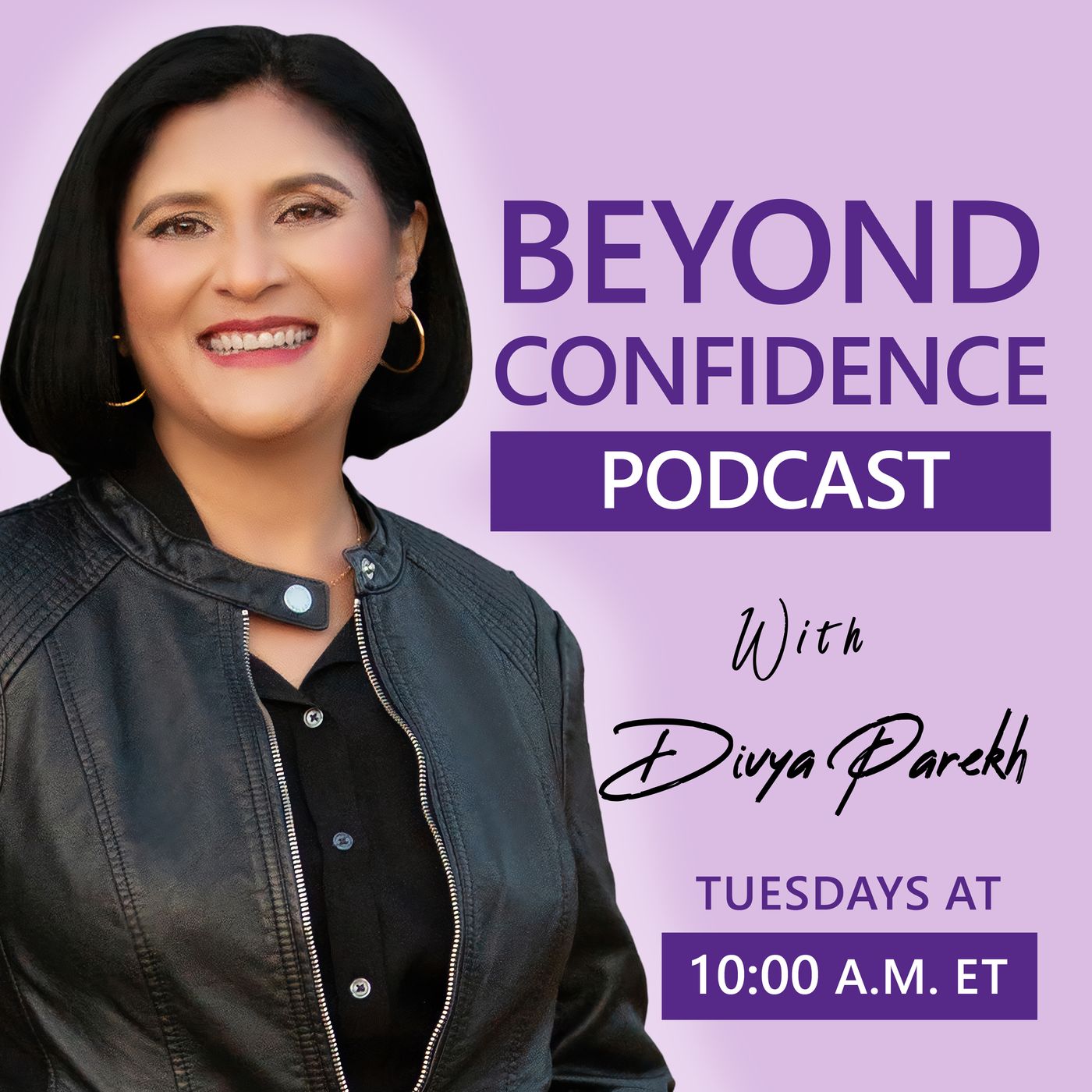
Beyond Confidence is broadcast live Tuesdays at 10AM ET on W4WN Radio - Women 4 Women Network (www.w4wn.com) part of Talk 4 Radio (www.talk4radio.com) on the Talk 4 Media Network (www.talk4media.com). Beyond Confidence TV Show is viewed on Talk 4 TV (www.talk4tv.com).
Beyond Confidence Podcast is also available on Talk 4 Media (www.talk4media.com), Talk 4 Podcasting (www.talk4podcasting.com), iHeartRadio, Amazon Music, Pandora, Spotify, Audible, and over 100 other podcast outlets.
Become a supporter of this podcast: https://www.spreaker.com/podcast/beyond-confidence--1885197/support.
0:00 The topics and opinions expressed on the following show are solely those of the hosts and their guests and not those of W four WN Radio. It's employees are affiliates. We make no recommendations or endorsement for radio show programs, services, or products mentioned on air or on our web. No liability, explicit or implied shall be extended to W four WN Radio. Its employees are affiliates. Any questions or common should be directed to those show hosts. Thank you for choosing W four WN Radio. This is Beyond Confidence with your host w park. Do you want to live a more fulfilling life? Do you want to live your legacy and achieve your personal, professional, and financial goals? Well? Coming up on dvparks Beyond Confidence, you will hear real stories of leaders, entrepreneurs, and achievers who have stepped into discomfort, shattered their satus quo, and are living the life they want. You will learn how relationships are the key to achieving your aspirations and financial goals.
0:52 Moving your career business forward does not have to happen at the expense of your personal or family life or vice versa. Learn more at www don't givpork dot com and you can connect with div at contact dants givpark dot com. This is beyond Confidence and now here's your host, div Park. Good morning listeners. Hope you had a wonderful Memorial Day weekend and I'm thrilled to be here with you this Tuesday. And I want to thank each and every one of you who has purchased our book, the AI agency, expert, influencer and some of the others. Thank you, thank you, thank you. And if you are looking to get ahead of artificial intelligence, if you are looking to shape up that career or bring an a adoption into your company, then this is the book for you. Well, let's bring in our guests. Welcome David.
1:48 Thank you, DEVI appreciate it, Thank you for having me on today. Absolutely so. David, do you recall a moment from your youth or from your lifetime which left a post mark on you. I can think of many moments, but one particularly, you know, from my youth was that you know, when I was, when I was growing up and I was I was in school, there was a time where I took a placement test and I didn't I didn't get into an advanced math class that I really was. I wanted to get in because all my friends got into it. And the school said, you know, David didn't didn't do well enough, he can't get in the class. And my parent and I said, I want to do it. I want to do it. My parents advocated for me, both my mom and my dad, and they they basically insisted the school give me a chance. And then I subsequently went on to get the highest grade in that in that class and had to catch up on all the work I missed.
2:47 And the reason I mentioned that's such an important moment is that that's a defining moment for me, teaching me that you know that your growth mindset, You know that your situation isn't static. That people can tell you can't do something, and if you're if you're if you're insistent enough and you work hard enough, and that's absolutely and you allow yourself to have that growth today. Yeah, No, having that growth mindset can do wonders for anyone because it brings the part of you that is open to different perspectives. It is open to challenges and seeing them as learning opportunities. So, as you moved beyond your high school, what were your interests.
3:36 Well, you know, as I, I've always been interested in aviation, Like that's something that I've always been passionate about. We used to we used to travel a lot to visit my grandparents in Florida, and we lived in New Hampshire, so we go a couple of times a year usually, and you know, just commercial airline travel. But I just fell in love with airplanes and I just thought it was so amazing how this this machine could transport you to what seemed like another world, and I started to get fascinated in it. I later, when I got into high school, I got into competitive track and cross country running, and I kind of put aviation to the side and I got into interest and exercise physiology. I studied that in college, but aviation was always a youthful passion that I stayed with me and I was able to later to reconnect with that with that spark in my thirties when my wife got me gift certificate for flying lessons and that's when I started started flying myself.
4:24 So what happened during the time when you kind of lost sight of your passion, Well. You know I think that I wasn't that. I mean, I was pursuing some other passions. I mean I was very successful in cross country running and long distance running, so I kind of lot lashed onto that, and unfortunate had knee injury so I couldn't continue that anymore. But I think that, you know the fact that I that I hadn't had an opportunity to, you know, to get exposed to to flight training. I mean I didn't have anyone in my family who was in aviation. I wasn't surround, I wasn't in that circle, so I kind of had to put on the back burner. I think that not having family and aviation my you know, obviously my family, my parents were probably a little bit concerned about me doing something that maybe was a little bit scary, you know, learning to fly. And I can understand that. So I think that's why I got put on the side, and just you know, I sort of lashed onto other things I was doing well at be successful in. But it never left me. You know, I think that for most people, I think your childhood passion stayed with you forever. You know, sometimes take you have to reconnect with them, but but they never go away.
5:28 That's absolutely right. I used to love writing when I was a child, and then it kind of got away from me, and then it definitely came back in my life, so absolutely. So you mentioned that you started taking lessons and how did that go, Well, it. Was, it was wonderful. So I, you know, I took I initially took three lessons for three gifts certificates my wife got me on a birthday and at the time I didn't have enough money to go all the way, so I kind of put it on hold a little while until I got a promotion at my job I was working in and then and then I and then I started right back up and went all the way and got my pilot certificate, and you know, it was it was challenging. I mean it was I loved it, but it was also very challenging. And I remember doing multiple lessons of doing touch and gos at the airport.
6:13 That's where you you know, go around and you land, you take off again, and you go around the traffic pattern. You just keep doing it to practice your takeoffs and landings, especially the landings. I remember thinking there are times like am I ever gonna get this? Like I can't get my landing is got One day it just clicks you know and you get it, and it's just and then finally the day that you the two There are two times that that are really memorable. Firstus, there is a point when you're flight training when you when you do a solo flight, when your instructor says, okay, you're ready to go off and fly on your own, and they give you they give you a sign off and you can go do that and you do a couple of takeoff you do three takeoffs and landings on your own, and that's just like doing that all by yourself. That's just amazing. It's you know, it's it's it's obviously it feels a little scary at first, but it's also you know, you feel confident as well and develop you develop a great confidence as a highot doing that. And then and then when you go for your check right at the very end of your training and you have to go with a FA designated pilot examiner and they and they, you know, have you do a practical check ride through different maneuvers. And then when you land and they say you're now a private pilot, you've got your private certificates.
7:17 Es. That was just like I fell on top of the world. Then you know that that day and I felt like I feel like that also, you know, to latch onto what I said earlier. That also was like another growth mindset thing, showing that, like you know, if you persevere, if you work hard, you can achieve it. And it really helped boost my confidence that I would say in irrevocable ways and and even raise the bar Ford expected myself, which I brought into my business career too. M so powerful. And so as you continue working with that, you talk about scaling the businesses, scaling fast and exiting. So did you run your own businesses? Well? So, yeah, So I had a couple different businesses I've been involved with. My initial business experience sort of going back to when I was younger and I lived in South Africa for seven years. So after I finished my undergraduate degree, which was an exercise science, I met a professor at a conference. I went to doctor Timothy Noakes, who ran who led an exercise science program at the University of Cape Town in South Africa, and I'd read a book he read called Loaw of Running. So I approached him and spoke to him after he spoke at the conference, and he told me about a program they had through yority of Cape Town, so I applied for it.
8:32 I got a scholarship. I studied exercise science there as a postgraduate student, and then I was working there in South Africa, and I met my wife while I was living there on a blind date, and she was really excited about business. She studied a bunch of business courses. And I had at that time to developed my own little program at the Sports Science Institute called run Science. I was kind of running it. It wasn't my own business, but I was running as my own profit center. I really enjoyed that a lot, and my wife got mixed. My girlfriend at the time got me excited about about business too, and I started thinking about my grandparents, and you know, they had been very successful in their own respective businesses, insurance agencies on my dad's side, and and some variety of businesses, a construction company, apartments in a retail grocery store on my on my mom's side. And and then I read a book as well, someone recommended to me called Rich Dad, Poor Dad, by Robert Kyasaki.
9:27 And that's why I came together with those other thoughts to start to change my perspective on my career and what I wanted to do, and so the nast time I want to go into business, I want to do this. I ended up. I ended up buying a branch of a restaurant franchise called Ocean Basket in South Africa. And I knew I didn't have the experience or education, had taken any business courses in high school or college or finance courses or anything like that. So I knew a franchise will provide, you know, some some support. So I and most franch most franchises, at least at that time in South Africa, restaurants, so I thought that would be a good way to go. It ended up definitely being business school for me. I made many many mistakes running that restaurant. The time that I did, I learned a lot, you know, I eked out a living. I didn't make a lot of money, but it gave me a wealth of education, a practical education running a business. And then I you know, ultimately it wasn't the right business for me.
10:18 It wasn't something I was passionate about. So my wife and I sold it before we moved to United States, moved back that close to home, and then but you know, when I knew the restaurant wasn't right, but I knew I needed to find a business that I'd be passionate about that was going to be the key. And then I ultimately got up an insurance because my family had been in insurance. My dad's sided the family and my dad had as well. He encouraged me to consider that because he said that, and it's true within a lot of people don't realize, but insurance there are so many different specialties. You can kind of find an area of it that you you're interested in and kind of specialized there. And I was, ultimately, after working in insurance, able to you know, combine my aviation passion with my insurance experience, and that led me to acquiring an aviation insurance agency, which we did in twenty fifteen. My parents, you know, again unwavering support. They they helped me by by you know, providing the collateral to get the business loan we needed to buy that business, and it was and we bought it.
11:16 It was just the owner and one other employee, and now we have about twenty five people on an organization and we've grown, you know, obviously a large multiple of what it was, you know, eleven years ago and why we've been doing having that growth. I've been I've been, I've been enjoying it. I've been loving it, and I think that it was created not only financial success, but also so personal, you know, with the people that have been part of our team that we've been able to to to you know, to empower and promote and you know, some of the things we do in the community, and just the personal satisfaction of doing something that's a family been something I'm passionate about. So you know, when someone approaches us and says, you know, we want to buy you, which we all private equity companies will do that because if they buy insurance agencies and they say what's your number, what's your number? I say, no, there is there's no number.
12:05 You've got to have a number. And it's like, no, it's not And it's really true because you know, how can you put a price on something that's giving you personal satisfaction fulfillment. You know, if you think plenty of people like you know, social workers, teachers, a number of different jobs or people people have relative financial scarcity for spiritual fulfillment alone, where you can combine those two. When you get spiritual fulfillment something that fills your soul and fills your wallet at the same time. That's priceless. And that's my definition of what I call rainbow gold in my book. And it's something that I hope I can perpetuate to our family but my kids in the future.
12:45 But that's that that's the counter narrative to the skill to sell mindset where you're just hustling. You have this hustle culture, you know, build, build, build, grow, grow grow. It's the expensive culture at the expensive personal uh satisfaction at the point at the expensive work life balance, hoping there's a light into the tunnel when you can sell the business and then get your reward. And I think there's a better way. M And that makes sense. What you're saying is that building that team that knows that we are not going to be sold out. We're here, they are fully engaged, and you build a team that's cohesive and invested. So you're building a sustainable business. So what would you say, are those five ingredients of building a successful and scalable and sustainable business.
13:35 Absolutely, and I've come up with in the process of writing my book, I've come up with some key ingredients. Initially it was five, but I've added one to so I'm gonna give you six if that's okay. Of course, So I have an acronym for it. And you know, I think acronyms can be over huge. Read business books and there's so many acronyms you can't remember. The acronyms just too many. So I only have one acronym, but I think it's an important one. And in the acronym as Primer, and that has the six things. The first is for P is passion. I think it's important to if you're going to, you know, have a business, you be passionate about it. Now, passion isn't the only thing. It has to be a sustainable business model, but it's important because passion will help you get through the difficult times, you know, which every business has. It'll be a much easier to get through it if you're passionate about it.
14:25 The second, the second letter in the acronym is are and that's for risk management. And with risk management you need to look at it both before you start, you know, the business venture, as well as while you're running it. And risk management doesn't mean risk avoidance. You know, businesses can be a risky thing. Every business has an element of risk, but it's a matter of assessing the risk and looking at you know, is there is the risk for this particular venture endeavor and acceptable for you, And that can vary at different managing those rare you know, so that hopefully the risky thing doesn't happen. But you know, a lot of people I think miss that one. That's an important one. And then and then I is uh, interpersonal relationships. And that has to do with relationships between your your customers, your clients, your employees, relationships with your vendors, you know, and and centers of influence. And I've you know, I've learned certainly in my business career that's critical, like you know, be there for people and will be there for you. Don't ever discount the importance of relationships and don't break you know, relationships and unless you have a really good reason. So that's the I. And then M is money since and that has to do with learn knowing accounting principles, knowing sales. I mean, every business, even even if you don't think your business is sales business, every business has needs to have sales.
15:56 Absolutely like without sales, no business exists. It's so important and as David was talking about the risk management, it is also some businesses. And then and they don't they don't have the money since and if you don't have that, you need to learn it. And then and then and then E is environment and it has to do with having a healthy culture, purging toxicity in your company, and they could be toxic employees or toxic clients. Not every client's a good client, and making sure that you have a healthy environment because everybody, including yourself, is going to be much happier working in a healthy environments. You know where most of us work eight hours a day at least five days a week, and it's terrible if you're working in prison and you hate it, So that's important. And then the last one, this is the one I added, is resilience, and that's having, you know, having that growth mindset, having that perseverance, being willing to push through the tough times because every business, even a business you love, is going to be difficult all the times, and you have to be willing to be able to push through that, especially in the early years.
17:04 One thing I've learned, you know, no matter how business now that you start, whether they're starting a business from scratch, it's the best idea ever. You're buying a great company. The first couple of years especially, you're going to have challenges, so be prepared for it and be willing to persevere to it. Absolutely some great nuggets over here, David, And when you talked about that, there are going to be challenges in the first couple of years, so not only during those years, but also later down the years in the market trends change, not official intelligence is there, so where so many things are changing, you know, where beforehand, like you know, software engineers were coding, Now sixty five to seventy percent of coding is being done by official intelligence. So a lot of changes can happen. So there can be risk anytime in a business. So what are some of the risk management factors that people can consider either when they're starting their business or when market trends change.
18:06 I mean there's a lot of factor you know, risk manufacturing. Some of the risk factors you know, you can trans sometimes you can transfer that risk where there's certain things that you can and that's where insurance comes in, right where you can ensure against certain types of risks. You know, typical typically things like you know, risk of of you know of fire, of liability claims from people suing. You know, those are risk of property damage, bodily injury. Those are risks that you can usually get insurance for, and that's really important and transfer that when you can. You know, some risks can be transferred contractually with the contracts you have, but there are some risks that you can't be transferred, and those are typically you know, one is speculative risks, like you have a chance of gain or loss, like if you invest in a new product or you know, a new a new type of venture, whether it's financially successful or not, that's a that's a risk you can't you can't get insurance for, and you have to be willing to accept, be able to live with the worst case outcome. And then there's like the risk of obsolescence, where like maybe the technology that you're using becomes obsolete, and that plays into what you're talking about with like AI and companies that don't adapt. Companies don't frankly don't adapt to the technology it's available today are going to become likely to become obsolete in the future, and other companies that do are going to get ahead of them.
19:21 And that's a risk, and you know that's a risk you can control because you can you know, adapt to technological change. And you know, to me, from my perspective, it's not scary. I think it's a great opportunity. It's good opportunity for growth to be able to to you know, to be able to and then of course if you do embrace it, you know, beat your competitors who don't. But trying to ignore it instead of putting your head in the sand and saying like, you know, I'm not going to do that, or you know, no one's going to force me to adapt to this new way of doing things. You know, that's a little naive because I think eventually that's going to hurt you as a business owner. You've got to always be willing to embrace technology. You've seen it, you. Know, throughout history is different things have come into play, you know, advent of the car or the airplane, even you know electricity. Like think if the companies didn't embrace that, where those companies would be today, Well they don't exist anymore, right if they didn't. So I think that's really important.
20:17 Just be aware of that and think about in your mind, like are you are you creating a risk to your organization by being adverse to adoption of new technological things. Absolutely some great points over there, and it is not to be feared before Like people used to say, oh, yeah, I want to place you, but people knowing AI will replace you. Now I go you in one step further and saying it's not about just knowing AI, but how to train a on how to use AI, so like how to think that capacity that metacognition skills is going to get you head So coming back to risk assessed, So you talk about insurance being the DNA of capitalism.
21:06 How does insurance help transfer the risk that businesses or companies have. Well, you know a number of different ways and now use that term and as actually coined by my dad initially, so I can take full credit for it. But do you think of like you know the how the economy works, and it would be impossible for anyone to take your risk of investing in a business if there wasn't a way against the way to insure against the possibility of loss, whether it's property loss or somebody suing you, or even getting a loan right like banks not can give you a loan to buy a building or buy expensive equipment if if you know they have a risk of if something happens catastrophic, you know, they can't you know, the whole loan is in default and they can't they can't collect on the balance. So it allows lending to take place both in business and personal. But you know they're you know, you know, the way that you transfer risk essentially is your pinion insurance company your premium to have the risk of having to pay for losses. They're specified in the contract, and the contract is the insurance policy you purchase. And it's important that people understand that. You know, there's no such thing as insurance policy covers everything like something the people who oh, it's all of risk policy.
22:13 There's no such thing as all of us policy. You know, every insurance policy has it's a contract that has terms and conditions and coverage and exclusions. And you understand that because people sometimes gets disappointed when it doesn't cover something. But you know, it's contractually laid out there and it's it's hugely pretty pretty pretty clear. But but you know, but you can there are a lot of things that can be very well covered. Like I mentioned, you know, property damage of any type, whether it's equipment or buildings. Uh, you know, even technology like computer equipment, software can be covered. You cantimes get coverage for loss of business income, like if your premises you know, burned down, loss of profits you would have and you're continuing expenses could be covered by policy for that. You know. The big one is lawsuits, of course, having good liability cover, whether that's you know, general liability policy to cover your premises, or product liability coverage if you sell and manufacture product, or or auto liability or aviation liability, which is you know what we do because unfortunately, the United States in particular has become a very litigious society and we're seeing, you know, extremely high verdicts given by juries these days. It's something called a term called social inflation, and that was coing to describe the trend where juries are awarding higher and higher settlement amounts and liability claims. And of course if someone gets injured, if they get disabled, they deserve something significant.
23:42 But you know, if one person is one hundred million dollars the right number, it's two hundred I mean million, the right number, you know, at some point it becomes you know, outrageous, and you know, sometimes people I think think of insurance money as like you know, monopoly money, and it just comes out of the air, but like it has to come from somewhere, right, We've all, we're all, we all end up paying for it with higher insurance rates and at some point becomes unsustainable. So I think that's an issue. But but you can get insurance of course to cover you know, liability claims, you should. You know, it's important to get his highest amount of liability coverage you can. And and then of course you know employee injuries, you have workers compensation coverage for that. Employment practices liability like wrongful termination, harassment, there's coverages you can get for that, Directors and officers liability, and then and then big one.
24:28 Today we're just talking about technology, cyber liability and data breach. And that's where I see sometimes companies missing or having a gap in coverage and not having a policy for that. And we've had several clients have had claims. You can imagine these days, all the all the ways criminals are trying to to do nefarious activities with technology, whether that be fraudulent bank transfers or hacking into your system and holding it hostage with cyber extortion. You know, there's a whole host of things that could happen with technology that you know, obviously you want to have, have you the right software to protect against viruses in malware and whatnot, but also insurance to cover when the criminal does get thro because they seem to always be able to get one step ahead of the best detection and risk management protocols.
25:15 We have absolutely and you really did point out that insurance claims and anything that is happening it is coming out of the insurance pay ease. Now given that as business owners and as companies are going and searching for insurance companies, I mean, there's show many comparable quotes, there are so many sites over there, and contracts like there's so much fine print. So how can people go about and figure out which one is the best policy for them and which is the right company to work with. Well, that's a hard thing to navigate, and you make a good point there because you know, most people don't deal with insurance. You know that often terms of reading the contracts and the policies and it can be confusing.
26:01 And that's where I think it's really important, particularly for a business to develop a relationship with an insurance broker, you know, who will get to know you and your business and be able to provide help me navigate that have we navigate what the best options are for you among all the companies that are out there, the coverages that you need, identify gaps. You know, if you have a business, your insurance broker should become a professional advisor who's a member of your advisory team. Similar to where you know you haven't hopefully have an accountant, hopefully you'd have an attorney you can you can turn to, you know, various people you have there part of your advisory team. Insurance brokers a really important part of that. It's more than just someone who's just quoting your policies. They should be somebody who's looking at it from a risk of management mindset, and they're looking at identifying the risks you have and how to mitigate those and you know, transfer those risks, and and they'll let you know, like, these are the risks we can transfer by purchasing these policies, and this is what it will cover, and these are the rest you can't transfer. These are the enterprise risks you have, and we can't use insurance for that. But just realize that you have these risks and you have to look at other ways to deal with it. So you need a really you know, high level professional who can do that. I think. I think insurance unfortunately sometimes gets commoditized. I mean, these days, you know, there's online ways to purchase insurance and we all get mailers of different things. You know, say fifteen percent call us today, but you don't. You know, if you have a business own you don't want a one hundred number you're calling to get your You needed a professional advisor. So I just would encourage anybody to really think carefully about choosing
27:33 the right person to work with so that you know your insurance program is the way it needs to be and that you understand what you're getting because if you don't, if you have the wrong insurance program, you know, the outcome can be can be catastrophic to your business if you don't, if you're not covered with what you need. Absolutely, And what are some of the criteria people need to be looking for finding a good insurance broker partner? Well, you want you definitely want somebody who you can kind of be working with, you know, the same person or team of people that we'll get to know you. That's really important. You want somebody who has expertise in risk management. Beyond just you know, being able to quote policies, you also want somebody who's comfortable with, you know, doing things like reviewing contracts when you have them, because that's that's something that you know, it's really important for businesses and something that we do for clients is you know, if they have a new contract, either that they're going to either contract they have they want to have, you know, one of their vendors signed, or someone wants them to sign a contract. We're not attorneys. We can't give legal advice, but we can certainly evaluate it from a risk management and insurance perspective and making sure the contract language is consistent with the insurance coverages that the parties have. So someone that's comfortable with contractual language and somebody who's willing to take a holistic approach and review not just quote like one specific part of your insurance, but like quote
29:03 everything and then take alistic approach of looking at where where there are gaps where you need to to maybe consider, you know, consider you know, other ways of mitigating risks because you know, going having your insurance spread out having like oh, I have this company does my auto and this company does that, and you know that's not always a good approach. You only accepting to that is like if it's a very specialized field, like aviation is a great example of that, where we're so laser focused that sometimes people will come to us just for the aviation because we have that very specific expertise, but they'll have the other types of policies with other brokers. So you know, if someone has a specific specialty, that can be sometimes good to bring someone else on the team. But generally speaking, you don't want to have a whole bunch of different providers quoting different aspects of your program because they'll knowly not be piecemeal and you don't have that sort of someone taking that holistic view of your entire enterprise.
29:56 And those are definitely very helpful nuggets. And you talk about good debt and bed debt, far business. And that's you know, really important concepts to think about and to know because you know a lot there's a lot of people out there in the media who will talk about debt and they'll say some very popular people say, oh that's bad, get rid of it all. The debt you know, but you know that's a personal From a personal perspective, yes that's the only true. But from a business perspective, debt is such a wonderful tool. I think it's an amazing tool actually, and it's I've definitely used it and I still use it in my business a lot, because think about it, like, you can scrape and save paycheck to paycheck. Maybe someday you'll get enough money to maybe buy a business to start the business, but you might not ever get there. Whereas if you, you know, willing to take on debt to get a business loan for example, you know, or even an SBA loan, which is even easier to get them to just a standard business loan, all you have to do is save up the down payment, you know, which might be twenty percent let's just say, for example, and then the bank will give you eighty percent and you'll be able to buy that business much sooner. Now, if it's a business, it's a good business, and the business is general enough cash flow a profit to service the debt and then still pay money beyond that, and the bank is going to evaluate that, they're not going to let you get alone.
31:12 If it's if the cashflow doesn't work, but it has the right ratios where it generates cash flow above and beyond paying off the loan. Well, that's almost like a money tree, right and you know you're paying off the debt each month, each year, and you know eventually it's all paid off and the business continues to keep paying you after that. You know that that's almost the only way that you can create money, you know, like almost like a money tree up through debt. You have to be responsible with it, of course, but but I think sometimes people get scared of the big number because you know, for significant business, a business loan could be bigger than your mortgage. But it's very different from bad debt, and you know it can you know, it can allow you to have leverage that you never would be able to do without it. And if you get aared by it, I encourage people to look here, think about other successful business people, and you can think of many examples, and most of them all have good debt. They have portfolios of real estate or businesses, and they all use that as a very important tool. So you know, being here's it responsibly, but don't be afraid of it.
32:18 Mm hmm. Now that is definitely powerful, So thank you for sharing such a powerful nuggets with our audience. Is there anything else you'd like to share? Well, one other thing I like to share is that you know, when in my book and I talk a lot about you know, building a business, you never want to sell and you know, never exiting. But that doesn't mean that you should not think about a perpetuation plan because no, having no plan at all isn't good either, And all of us only have a limited time in this earth. Unfortunately, time is our most precious commodit that we have, so it's really important to think about that.
33:03 And you know, you can think about like your business. You might not want to scale it, to sell it to like private equity, or have some sort of exit, dramatic exit, but at some point you're gonna have to figure out what to do when you can no longer work or you're you know, someday obviously you'll you'll you'll pass on, and you know, you could perpetuate it to your family, and that could be a good way to do it if your kids are interested in being involved in the business and a certain pressure them. I don't think, but that's an option. Another option could be that you could find ultimately find someone who was like you who hather similar attributes and skills, and perpetuate it that way. Or you could potentially set up an employee stock ownership plan perpetuate it to your team that worked for you to help you build a business. It can become a great sort of employee retirement plan, and that could be another feel good way to perpetuate your business. But think through those things, because not skilling to exit doesn't mean you don't think about perpetuation. So I just wanted to make that clear as well, because that's really important.
33:59 No, absolutely, David. So let's see if somebody wants to get in touch with you and wants to get your book, share with us your contact information and where can people find your book? Yes, certainly so. My website is my Rainbow Goal dot com and my best email address for me is really easy. It's David at Plane Insurance p l A and E Insurance like airplane dot com and you can certainly reach me there. And my book is available on Amazon and Barnes and Noble to the two best places to purchase it. Any other thoughts before we wrap it up, Well. I'll just say that you know I hope that you know my message helps somebody with encouraging them to go on their own entrepreneurial venture in a similar way to build a business that's both the journey and the destination.
34:48 And I also just say thank you very much Tavia for the opportunities to be on your show. I really appreciate it and I really enjoy talking with. You absolutely, and thank you for sharing all the wisdom that you have accumulated during your entrepreneurial journey, because if somebody is thinking of starting their business, it's so important to know some of the pitfalls, what to consider, what not to consider, because so many of us don't know that and these are some of the practical things that are not talked about in schools. So thank you for joining us, and thank you wonderful audience for being part of our show. You are the soul of the show and reach out to us just like you always do and let us know how can we serve and support you to live the best life you can. And thank you on for being a tech genius and be well and taken until Leng's time.
35:43 Thank you for being part of Beyond Confidence with your host d V Park. We hope you have learned more about how to start living the life you want. Each week on Beyond Confidence, you hear stories of real people who've experienced growth by overcoming their fears and building meaningful relationships. During Beyond Confidence, Dvapark shares what happened to her when she stepped out of her comfort zone to work directly with people across the globe. She not only coaches people how to form heart connections, but also transform relationships to mutually beneficial partnerships as they strive to live the life they want. If you are ready to live the life you want and leverage your strengths, learn more at www dot dwpark dot com and you can connect with vat contact at dvpark dot com. We look forward to you joining us next week.


