
Growing High-Performance Teams
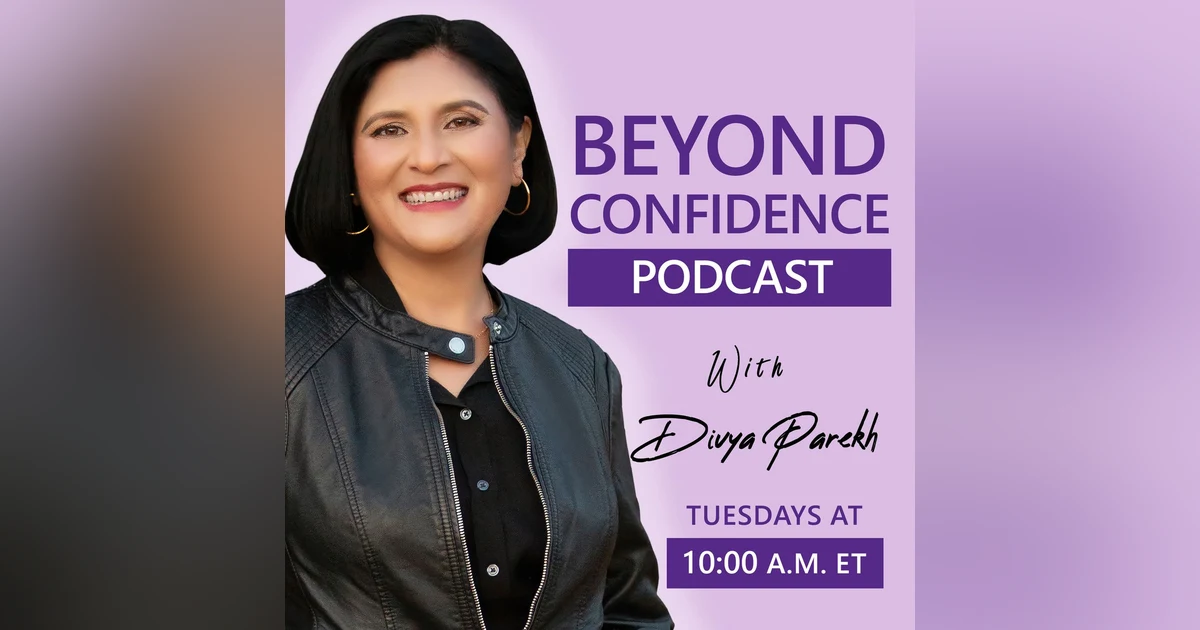

In this episode, Divya Parekh sits down with Daniel Botero, a CEO who knows what it takes to build teams that thrive even in tough times. No fluff—just real talk about the struggles, wins, and strategies behind keeping teams engaged and morale high....
 iHeartRadio iHeartRadio
 Spotify Spotify
 Youtube Music Youtube Music
 Amazon Music Amazon Music
 Apple Podcasts Apple Podcasts
 Pandora Pandora
 Audible Audible
 Podchaser Podchaser
 Audacy Audacy
 Spreaker Spreaker
 Deezer Deezer
 Podcast Addict Podcast Addict
 JioSaavn JioSaavn
 TuneIn TuneIn
 Castbox Castbox
 Castamatic Castamatic
 Castro Castro
 Fountain Fountain
 Goodpods Goodpods
 Overcast Overcast
 PlayerFM PlayerFM
 PocketCasts PocketCasts
 Podimo Podimo
 Podurama Podurama
 Podverse Podverse
 Podyssey Podyssey
 RSS Feed RSS Feed
 YouTube YouTube iHeartRadio iHeartRadio Spotify Spotify Youtube Music Youtube Music Amazon Music Amazon Music Apple Podcasts Apple Podcasts Pandora Pandora Audible Audible Podchaser Podchaser Audacy Audacy Spreaker Spreaker Deezer Deezer Podcast Addict Podcast Addict JioSaavn JioSaavn TuneIn TuneIn Castbox Castbox Castamatic Castamatic Castro Castro Fountain Fountain Goodpods Goodpods Overcast Overcast PlayerFM PlayerFM PocketCasts PocketCasts Podimo Podimo Podurama Podurama Podverse Podverse Podyssey Podyssey RSS Feed RSS Feed YouTube YouTube
In this episode, Divya Parekh sits down with Daniel Botero, a CEO who knows what it takes to build teams that thrive even in tough times. No fluff—just real talk about the struggles, wins, and strategies behind keeping teams engaged and morale high. Daniel shares raw insights on pushing through challenges that make most leaders fold. Ready to level up your leadership? Hit subscribe and tune in for actionable tips to boost your team's energy and transform your culture!
Beyond Confidence is broadcast live Tuesdays at 10AM ET on W4WN Radio - Women 4 Women Network (www.w4wn.com) part of Talk 4 Radio (www.talk4radio.com) on the Talk 4 Media Network (www.talk4media.com). Beyond Confidence TV Show is viewed on Talk 4 TV (www.talk4tv.com).
Beyond Confidence Podcast is also available on Talk 4 Media (www.talk4media.com), Talk 4 Podcasting (www.talk4podcasting.com), iHeartRadio, Amazon Music, Pandora, Spotify, Audible, and over 100 other podcast outlets.
Become a supporter of this podcast: https://www.spreaker.com/podcast/beyond-confidence--1885197/support.
0:00 The topics and opinions expressed on the following show are solely those of the hosts and their guests and not those of W four WN Radio. It's employees are affiliates. We make no recommendations or endorsement for radio show programs, services, or products mentioned on air or on our web. No liability, explicit or implied shall be extended to W four WN Radio. Its employees are affiliates. Any questions or common should be directed to those show hosts. Thank you for choosing W four WN Radio. This is Beyond Confidence with your host d W Park. Do you want to live a more fulfilling life? Do you want to live your legacy and achieve your personal, professional, and financial goals? Well? Coming up on Dvparks Beyond Confidence, you will hear real stories of leaders, entrepreneurs, and achievers who have stepped into discomfort, shattered their status quo, and are living the life they want. You will learn how relationships are the key to achieving your aspirations and financial goals.
0:52 Moving your career business forward does not have to happen at the expense of your personal or family life, or vice versa. Learn more at www dot divpark dot com. And you can connect with Dvant contact dant dvpark dot com. This is beyond confidence and now here's your host, Divpark. Good morning, It's Tuesday, and I'm excited to be here with you all because I get to spend time with you and today we have our guests, Danielle welcome. Thank you Dvia so much for having me. Super excited to be here. Oh excited to have you and wonderful people. As we always talk about, remember to keep the kindness circle going.
1:37 Think about it, if you were to spend just one hour of your time every month and you can spread it all across the month. It can be a smile here, it can be five minutes there, five minutes there, and even if fifty million people did that, think about it, fifty million hours in a month every month where we can help and uplift each other. And also, if you've got our books, I really appreciate you. Thank you so much. And if you have not, do get our books because partial profits from our books go to Kiva dot org. So, daniel usually start out from childhood. Do you have a moment or a person from your childhood that left a positive mark on you and you remember even to this day.
2:22 Oh yeah, I remember that person. I remember that moment. I think I've had a lot of people who've impacted me throughout my whole life. Some I've met, some I didn't meet. Some were just more of like stories. I think one of those people were was my father, who died when I was three years old. But just the stories that I would hear about you have really impacted my behavior. And then one that I can think of was my fifth grade teacher, mister l who I think was the first person in America who saw my potential and help me think bigger and dream bigger.
3:04 So sorry to hear that, and it again kind of brings us back to life and like, you know, having that gratitude, not taking people that we love for granted. So as you grew up, what for your interests was it sports or did you have anything specific any dreams like you know, usually young kids can have different dreams like I want to become a cop or I want to become a firefighter, I want to become astronaut, or I want to become an engineer. So what dreams did you have and what did your life steer you. I always wanted to be a CEO, even years old, I wanted to be a CEO of either a my business or be CEO of a fortune five hundred company.
3:55 I was fascinated with business with leadership, and it's always been my dream. Now. I like soccer, I played sports, but that was specifically my biggest dream. Oh fantastic. And did you run any small businesses when you were young? Since I was little? I did so. I so I moved after my dad passed away with my mom, and I moved to America with two thousand dollars in two suitcases. Right, And I never felt like I can ask my mom for money, and now because she was a bad mother. It was at the opposite. She worked seven days a week and was working at less than minimum wage. We were actually for nine years illegal.
4:38 So I didn't never felt like I can ask my mom for money because I didn't feel like she could even work any more hours to even make more money. And we were already living worse than paycheck to paycheck. And so. I always try to figure out, how can I do this by myself, or how can I make my own money? And so my first business was when I was like eight nine years old. I realized this. People were playing soccer behind my house, and they would come from work were their business clothes they would change right outside their car, and they never had water. So I would walk about half a mile to a grocery store it was Alberson's, and then I would then bring it and have a cooler with ice and sell it. And I was like making like fifty dollars a week selling water as a nine ten year old. And that was when I was like even more hooked on the idea of business.
5:25 Oh, that is so powerful. And just to kind of think about it, that you walked half a mile and your parents, with the hard work you know, and with your mom, like with your dad's stories and with your mom, like working seven days a week gave you that oo, gave you that grit, Like, yeah, I got to do it. And what you're sharing is that, like I got to do it on my own. And just as young as you were to recognize that that's so powerful as you grew up, do you remember any of their businesses that you might have done. Yeah, at that point, once I realized that, hey, like I can figure out a way to solve problems and make money, it was off to the races, Like I started a car wash business, probably recently, probably ten eleven years old. I then was working at Universal Studios, and you know, I was naive.
6:26 I didn't know I couldn't really do this, and I was selling my. Tickets that I would get for working at Universals and I would sell them so off, like behind the market, selling the Universal and Disney tickets. When I got to high school, my mom's best friend was from Peru and she had just come back from Peru and brought me a La cost polo as a gift. And I was like, oh my god, like these are like in style at this time, and so I and she would go to Peru often. I said, next time, can you bring me a suitcase of them? I'll give you money. And so I was selling La cost polos out of the locker room and my high school and so yeah, I mean I've I've done every ad job you can think of. One of the guys that I played, you know, I ended up ended up playing soccer with those guys. I still play soccer with the same guys I used to sell water to when I was nine years old. They're now sixty or something years old, and I'm over here at thirty four. But one of those guys used to have a landscaping company, so I would do landscaping in the summer. I would always figure out different businesses or jobs or ways to make money. So I was always kind of in a sense dependent of I didn't have to pay my mom rent or anything, but like dependent of like never having to ask her for money.
7:38 That's and that shows you entrepreneurial spirit. So how did you transition from doing odd jobs here and there to getting to the place where you are at where you're running your business right now. That obviously led to when I was in college to start different businesses. I even major and like an entrepreneurship majors management with the track of entrepreneurship and then marketing with the track of sales. And I started different businesses in college, like so every time I would start a business, it would be a little bit more serious. Like I got to the point where I opened an LLC and then that didn't work out. So I would say that different variations of different businesses, and they would they would they would fail, and they would fail because A I didn't have enough capital to make them successful. B I didn't have to know how I was very young and naive, and so ultimately that led to me uh deciding too.
8:34 After graduating college, I had multiple job offers to do a management training program because all my entrepreneurship professors were like, hey, like, the best way to learn how to run a business is to learn from someone who's done it. And so go work for a leadership program at a Fortune five hundred company for five years. You will build the money, You will save enough money because they pay you well. You will build the relationships, and you will learn to know how, which is the three things that you need to build a business. You need to know how, you need capital, and you need relationships. And so I did that and during those five years, I at this time, I'm hooked in personal development, and I decided that I wanted to be the next Tony Robin. So I was speaking at universities for free, talking about how to get a job by PepsiCo, which is where I started, and I realized that a lot of talented people were struggling to get jobs. And then I was at a PepsiCo meeting and they're like, we're struggling to get good people.
9:30 So I saw that there was this gap between what the students stolet they needed to get a job and what companies are looking for, and so that kind of snowballed into me speaking a lot about this, writing a book about it, and then ultimately in May fifth of twenty eighteen, leaving corporate and starting this business. That I have now and that's fantastic. And so the repeating team that I'm seeing as you have shared your stories that you're looking for that gap, you're finding that problem and bringing a solution. So can you share with us that during your time in the corporate world, a lot of people who are in there and struggle to get up or like you know, they're struggling to find that right job regardless wherever there are, what would be some of the key things that they can move up to by finding the right problem. Because what happens is it's not just about finding the problem, it's also about finding the right problem. And when you do that, your visibility increases, your perceived value increases. So what would be your recommendation to them?
10:41 Yeah, I think you are spot on an idea of the you know, as a person, the best way to provide value to others, whether it's your own business, working in Corporate America. Working any job is to solve a problem for someone, and so the better that you get at identifying problems, like I see people looking needing water after soccer, or I see people looking to improve their way they communicate to companies when they're looking to get jobs, the better you're going to be able to grow and get opportunities because people will always have problems. Us we're humans, we have tons of problems, probably onlimited amount of problems. So looking for ways to do that corporately at your job entrepreneurially, that's just going to obviously open up opportunities because if you become the person that is a problem solver and is resourceful and is willing to try to think of ways to do things better, then you're going to get promoted, You're going to have business opportunities. People are going to like you because people like people to help them and so it just makes everything easier.
11:50 Absolutely, that's powerful. So you mentioned that you know you left in twenty eighteen, so tell us that the dream you had when you are young to becoming a CEO. So tell us how did you build your team and how does it feel to be that CEO? And what did it take to build this tape. I can tell you now that I am living the life that younger Daniel used to dream of. Right, But now that I'm in this life, I think you realize that you never really make it because you're always I think it's a human behavior, part of always wanting more, and you're always on striving to get more. But I think what it took a lot is it takes a lot of work. It takes a lot of work. Want to leave your corporate job that golden handcuffs, and then two once you're doing it, to get some momentum to the point where you can afford to hire someone. And so it took me. I left in twenty eighteen, but it took me two and a half years to hire my first employee. But then by that twelve months after hiring my first employee, we were already at seven right.
13:00 And then fast forward now we're about thirty. So I think it's it's it is really interesting to understand that, like anything else in life, business is a compound game. It does compound. The more you do it, the better you get at it. There's levels to it, and once you start hiring your first person, it might makes it easier to grow and scale your business. Therefore scale your team. And it's awesome. I love it. I think this is much better to do things Like if you want to go far, if you want to go fast, go alone. But if you want to go far, it's better to do it together. It's better to build the team. Oh yeah, I love that because that's my model too. And fast and furious like and if you're going for that sprint, you get tied out fast, it's not going to last a whole lot longer. So there are organizations, there are CEOs you know, that are facing this issue where we have heard about, you know, people living in like you know, the silent quitting, and there's that resignation, like the whole thing that went through the pandemic where if the talent you may hire, maybe the right talent, but they're not engage, engaged, the company is not going to work. The way I see it is it's like a rowing boat. So if there's a whole team, everybody got to be rowing in the same direction otherwise that you're going to be impacted in your rankings or in
14:33 your performance, whatever we want to call it. So what can people look for and what can they put in place to hire the right people. You Know, what I think is interesting and I'm going to diverge a little bit from this question, but it definitely will bring it back, is that we are all looking for different things. So there's an exercise that I have my career job seekers do and it's like prioritize. From a skill of like what's the most import and things is the least important thing? So you would do things like industry compensation, paid time off work, life balance, personal development, the job title, do you work from home, do you work remotely? So you have all these different factors. And what it's interesting is like we have worked with thousands of students and even job seekers, and it's very very rare that you find someone that has the same variation of what they're looking for, right, And so what that tells us is that we're all looking for a variation of different things. There are some core things that we want. Obviously, we don't want to toxic environment. We want to get paid fairly compensated. But what that also means on the other side, in the business side, is that there are some industries that pay more than others. Right, So you can have two industries. As an example, you have like teachers who have really great work life balance, they have summers off, but then maybe compensation wise, they're like making very little, right. And then on the other side, you have consultants, like business cons and there are making really well, maybe six figures right out of college, but
16:06 working sixty hours a week is a light week, right, so they're they're gonna be working more than sixty eighty hours a week. And so it depends what you want, right, It really depends on what you want. So I think what's important here bringing it back to your question, is you, as a as an owner CEO, need to have clarity of what is what is it that your company is providing for. What are the five things that you were saying, here's what you should work for me, here's our competitive advantage. Here's what we're going to do. So for me is one, we're going to invest a lot in your personal growth. Right. So, we're not the biggest company in the world. We are not a Fortune five hundred, we're not a brand that people will recognize. Yeah, we're small, I understand that, right. So, but here's what you will get. You get access to the leadership team. So you're going to every employee has access to my calendar. They're going to be mentored by me. Right, So there's a level of personal development.
16:59 Right. You're going to be in a position where the company is growing really fast, so you're going to have the opportunity to change job titles, change responsibilities pretty often, right, And that doesn't happen in Fortune five hundred companies. Three, there's going to be a remote environment, right. And four, we want to make sure that we want to know what your goals are personally help you achieve them, right, because we can't. We stand for opportunities. So if we have clarity of what we want, we want to make sure that the people that are coming in that those are the things they're looking for, that they we know that we're not going to pay them the best, but we're not going to pay them the worst. I think we're probably we're competitive. But if you're looking for personal development, looking to get a lot of experience, looking to grow, looking for the ability to work in a hybrid environment, then this is a place for you.
17:48 And if a company has clarity and an job seeker has clarity, then you're able to make that match better. And I think that's generally what I When people are miserable at their job, there's a mismatch, like you know, either A the company doesn't have clarity, or B they don't they don't have clarity, or even worse, both of them don't have clarity and so the expectations are mismatched. That's very powerful as to what you're sharing is that if companies are transparent, then Okay, this is what we're looking for, this is what we offer, and if the job seekers are clear on what they want, then the odds of both of them not being aligned are going to be slim. So that's that's a very powerful way of looking at it. Now, let's bring it back to you as a CEO. As you mentioned that in some roles you work over a lot more and some you do less. So as a CEO, what would you say is that you love the most about the job and what are some of the things as part of the job that you think you could make it a little better or could be different.
19:04 I would say I think it changes over time as we change personally too, So I think an exercise that has been very helpful that I have my executive assistant due once a quarter and is essentially doing time out it of myself. So here's like and by the way, this exercise anybody can do is super simple and it's going. To help you come up to this conclusion. So the first thing you do is that you put it in an Excel sheet and you put everything that you you have that you do for the week. So is it one on one meetings with my managers? Is it a leadership meeting, is a meeting with my clients? Is it a sales called, is it creating content? Is it administrative work? Is it messaging on LinkedIn? Is it grabbing lunch with my wife? Whatever it is? Right, you put it all in and the second on another column you're then going to put and say was this something that was one dollar signed, two dollars signed, three dollars sign, or four dollars signed, kind of like a like go to Google and you look at restaurants, because not all the tasks that we do are worth the same. And then the third thing that you want to do then at this point is say color coded with green, Hey, this brings me energy. I love doing this, Like when I look at this in my calendar, it brings me joy or red if I look at this and like you dread it, and then if it doesn't do either joy or dread, it's just right in the middle, then you leave it without a color. And what's interesting is that you're gonna by looking at this Excel sheet, you're gonna be able to see what are the red things that are one or two dollars signs that you should
20:37 stop doing. And as a CEO, I have the luxury to delegate all those out right. So maybe if you're an individual contributor or you're just starting out, you might not have a team to be able to delegate this. But for me, if I have thirty employees, odds are there's twenty nine people there that can do some of this stuff, and that prioritize. That helps me prioritize what's important to me. And now if it's green and it has four dollars signs, how do I do more of that? Right? How do I actually do more? Less? So what I do less? What I do more? And right now, currently, what I love doing is I love training team. Like the team. So one of the things I just actually was talking to my assistant and I said, I want to there's four main departments in our company, and I want to do it one hour training every week for one of the departments, so every department will get one to two hours of training directly from me.
21:25 On that, right, So I love doing that. Something that, to be honest with you, I used to six months ago was green, and I used to love was recording a lot of YouTube videos. Now is now not red. It's just no color. So I can see my enjoyment of creating content by myself diminish. And so that's something that maybe I go like, hey, I don't want to do six hours of that a week. I maybe just want to lower down down to four. Right. So I don't know if that answers your question, but that's kind of how I think through it, and I know that it changes probably on a quarterly basis. Answer the question, because what you're doing is you're reassessing it. And as you said that you personally change the demands of the business change because the customers may be wanting something.
22:11 You know, there are different market trends, there are different shifts in the industries that are impacting your industry or like whichever segment you're in. So having that reassessment does help you, like Okay, what is it that I like to do? And then sometimes even if you're an employee, if that's something that you don't like to do, it, you can find that time, like, okay, you can take those important tasks. What are my good times during the day that I'm most productive at. So what you can do is like, okay, let me finish those have priority, high stick tasks in those times. And when those tasks that you don't like to do and it requires less of your brain power, you can do that and you can chunk it out. So no, definitely you shared that.
23:05 What would you say is like at your top one to two challenges that you're facing right now as a CEO. So it's interesting. I would say the biggest challenge that I am facing right now as the CEO, I would say the first thing is it's a challenge that we currently have as a company. So our number one challenge, which is marketing, right, I think we have done a really good job with our products. We're getting really amazing results for our clients, but we're not getting the influx of clients that we were expecting. So I think that's, for example, that's going to be my focus for the next quarter Q four. As we're recording this, it's like, how do we convert more of the leads that come in from the top of the funnel into the middle of the funnel. That would be I would say, the biggest rock that would make the biggest impact or the biggest impact in the business.
23:57 The second one, which is not something I. Am primarily running, it's actually my CEO who's running, is to systemize and standardize all of our systems and processes even further. So we've hired a consultant. He's a CEO of a six hundred people company, and he's coming in and helping us think through how we systemize and organize everything from onboarding, from the way that we everything you can think of, there's going to be a processor system put in place so it becomes repeatable, replicable. And that's something that our CEO is managing. And then the third thing is always people right because our core value, our number one core value.
24:39 Is being relentlessly with people focused. So how do we continue to develop and grow our team that even though we have systems and processes, they don't feel like a number because that's not what we want. We want them to feel like a person. Absolutely, and in your experience, like what you have seen, like you know, as your company grow, as you mentioned, like you know, from one to seven to now thirty, what are some of the challenges that you have seen that have popped up over and over again. It's the uncertainty of people. Like, at the end of the day, people are the best part of the business, but they're also the most uncertain part of the business. And if anybody.
25:19 Tells you that they're perfect at hiring, please point them out to me, because I have never met anybody has that's perfect at hiring. And even though. We can have clarity of what we want, even though we can be asking great questions on interviews, people change their goals change, or situations change. Our business changes, our goals change, our situations change, right, and so U create misalignment. And anytime there's misalignment, there's miscommunication. Miscommunication drives issues, right, So I would say like the challenge will always well the challenge. The best part about the business is the people, but the most challenging part about it is the people. So, but that's business. I think you ask any CEO whether they have thirty employees or three million employees.
26:01 It's going to be the same answer. Absolutely, and as you mentioned that, you can never be certain with that because their situation is changing and business like, you know, all of this is fluid, and that's where like bringing in the culture of embracing uncertainty is so critical because that's the only thing that's certain in today's world. I mean, since the time of the the beginning of the human and the man kind. Is like, change is the only certainty that we can have. So what are you doing as a company to kind of continuously address that and keep on building your people.
26:45 It goes back to having the right rail like processes in place, one of our So when you first start hiring, and I would just say, this is my experience. You start, you don't have a big budget, so you actually start hiring a lot of generalists, people without relevant experience. So you are the person. I like when my first employee, when I first hired, I was the person that knew the most about finance, HR marketing, sales, career, coaching, right, all this And for the longest time that's always been the case because I couldn't afford hiring somebody with five, ten, twenty years of experience, so I was hiring level entry people who are recently graduating from college, and as the business grows, you go from generalists and you start hiring more specialists. And our first specialty hire is actually our director of HR. She has over like ten years of HR experience, way way more now and so it's interesting because the dynamic now it changes where I now feel like there's this person that I can go to to be the resource and subject matter expert in that field.
27:45 And because our core value is reliant to be people focused, that was our first specialty hire, right that was like, you know, now that we have a budget, now that we have revenue and we have very sustainability in our products and services, that was our biggest people investment. And so that's what we're using her to be able to have. Better like performance management, have better conversations with the employees so that there's a better polls, better way to do one on ones, better way to make sure that that communication stays strong. Absolutely, that makes perfect sense, and so we've talked about a lot what the leadership team can do, Like we're talking about like top down, what are your views on employees themselves? Because I personally believe that you can be a leader. You don't need to have a title about that.
28:38 So from an employee perspective, what can they do to make that handshake as strong as it can be? Yeah? No, I love this question. I think no one ever wakes up and was born a CEO or director or vice president, and so we all start from the bottom, right. I think there's a lot you can do. I really agree with your point of you can you can be a leader without the title. In fact, like that, still are the best leaders the ones that are showing leadership qualities even before they're given the responsibility on their job description. And there's many things. I'll give you an example of things that we've done and people do in our company. We have a book of the month and two ladies, Uh, in our they're not in their leadership team.
29:25 Uh. They said, hey, Danny, we would love to help you with that. We would love to help create games and assignments and once a month lead that conversation. And so again that's not in their job description, that's not their title. They're taking leadership on it. So uh, and that's you can do that in millions of ways. Again, do you see an opportunity of being able to support the company. If you're in a corporate environment, EERG groups are an amazing way to gain leadership experience and go above and beyond and and show the company that you are wanting to be a leader. You're putting people together. So yeah, absolutely, and and you can even recommend that, like you know, I want to head this employee resource group.
30:11 And when you do that, what it does is that you're getting exposure to the leadership team. Yes, you are getting known to your peers. You're getting known to people who may not even know you that you're in the company. So just not like you know, you're talking like you have I'm sure that most people know each other, but if you're in a large company, you don't even know who's working in this division. But now if you are heading it or even contributing to employee resource group, then that visibility is going to be priceless. And when you have the visibility, then you're going to get that proximity to the key stakeholders. And when you have that, the proximity is so powerful. Proximity is power. So that is that is a great way of doing that as a people, as our audience is kind of thinking and listening, so if you can share with her audience as to how does your company support your customers, then they can connect with you absolutely.
31:17 So for like I was mentioning my story, I graduated college in twenty twelve, and from that moment I started speaking about how to help people get jobs. And in twenty eighteen I left to be a full time career coach, and in the last two years, so probably in twenty twenty two, I then was able to grow my career coaching business to a very big business, you know, doing over eighty five thousand dollars a month in sales and helping hundreds of students every year. And that led to me understanding that there's a lot of career coaches that don't know how to grow or scale their business. They're fantastic coaches, great experience, but they don't understand the business of career coaching. And so about a year ago we decided to start focusing on how do we make a bigger impact. And we thought, if we can help a thousand career coaches help a thousand people, that would be the fastest way to helping a million people. And so now our business so only we focus on business coaches for career coaches and we just simply help career coaches grow their business.
32:23 Well fantastic, and so any of you are thinking about growing your business, then you've heard Danielle's story and you can see he's passionate about helping people. He's people focused, so he would definitely be a great partner. And also I can share that you know, I'm not sure how we connected, but one of the somebody else had connected with me and they introduced me to Daniel and I've seen him give away freely in his community and he's a giver. So Daniel tell us, like, you know, if people wanted to connect with you, what's the best way of connecting And yeah, what would like working with you?
33:10 Look like, thank you so much for asking that. The best way to connect with me, whether you're a career coach or not, right, and you just want to connect, LinkedIn would be an amazing platform to do so if you just google or typed in not Google, but you can google that to Daniel Botero. I'm pretty confident and I'll come up to the top of the list and you can just send me a connection request let me know that you heard me from this conversation. If you are a career coach in particular, and you are looking to learn more about how to grow your career coaching business. You can also message me on LinkedIn and we can even invite you to attend our free community or even have a conversation with our team to make sure that we can support you with your goals.
33:50 That's fantastic. So if you were to leave our audience with to do three tips that they could take and run with it today, what might they be? I think the first one is gaining clarity on what you're looking to do with your life. I know you talk a lot about that, and so I think that is the first place to start. And then once you understand clarity is having an understanding what is the biggest focus that you should do that will have the biggest impact to you achieving that goal. Most of the time, when we have really big goals, we try to do a lot of things at once, and that leads us to actually not grow us fast. Versus, if we have a very good focus on what is the biggest thing that we can solve, we will get there faster. So that would be my same thing my advice, get clarity and then focus on the one main lever point that can help you achieve that short term goal that will then be able to stack up to your longer term goals.
34:43 That's powerful, definitely, So Danielle, thank you so much for joining us and giving us those nuggets that will help our audience and wonderful audience. We thank you for being part of our family because without you, we would not be able to have the show. So reach out to us, let us know how can we support you, how can we serve you so that you can live the best life you can't and you deserve. And thank you one for making the show technically possible. Be well and take care until lengths time. Thank you for being part of Beyond Confidence. With your host d v Park, we hope you have learned more about how to start living the life you want. Each week on Beyond Confidence, you hear stories of real people who've experienced growth by overcoming their fears and building meaningful relationships.
35:36 During Beyond Confidence, Vpark shares what happened to her when she stepped out of her comfort zone to work directly with people across the globe. She not only coaches people how to form hard connections, but also transform relationships to mutually beneficial partnerships as they strive to live the life they want. If you are ready to live the life you want and leverage your strengths, learn more at www dot dvpark dot com and you can connect with v at contact at dvpark dot com. We look forward to you joining us next week.


