
How to turn get speaking engagements and turn them into clients
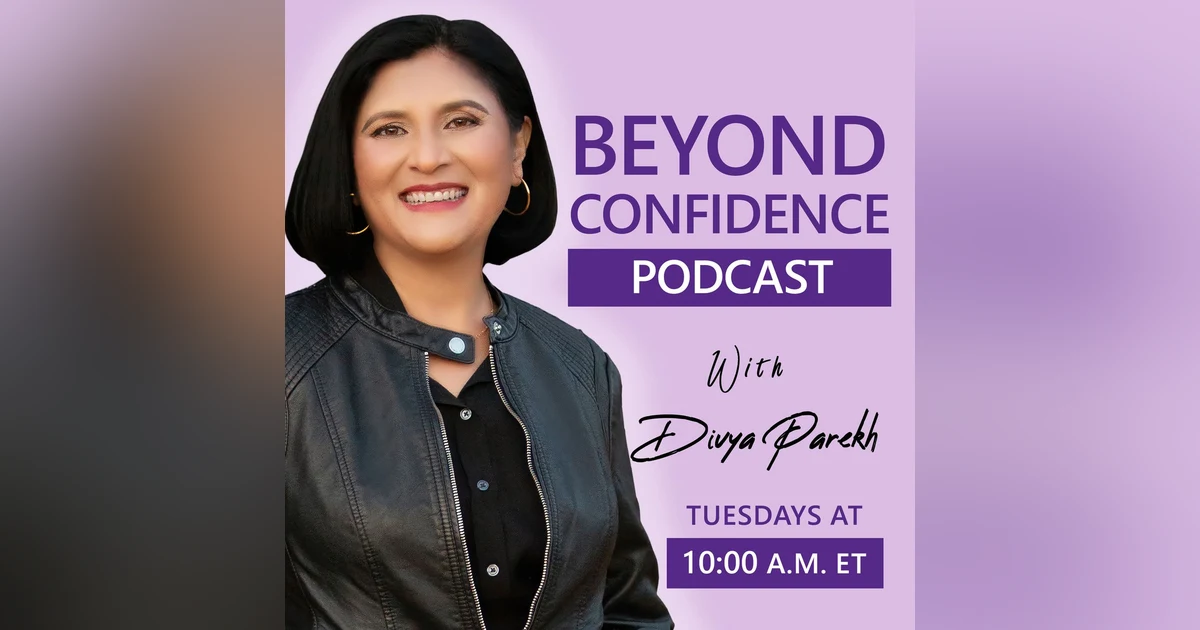
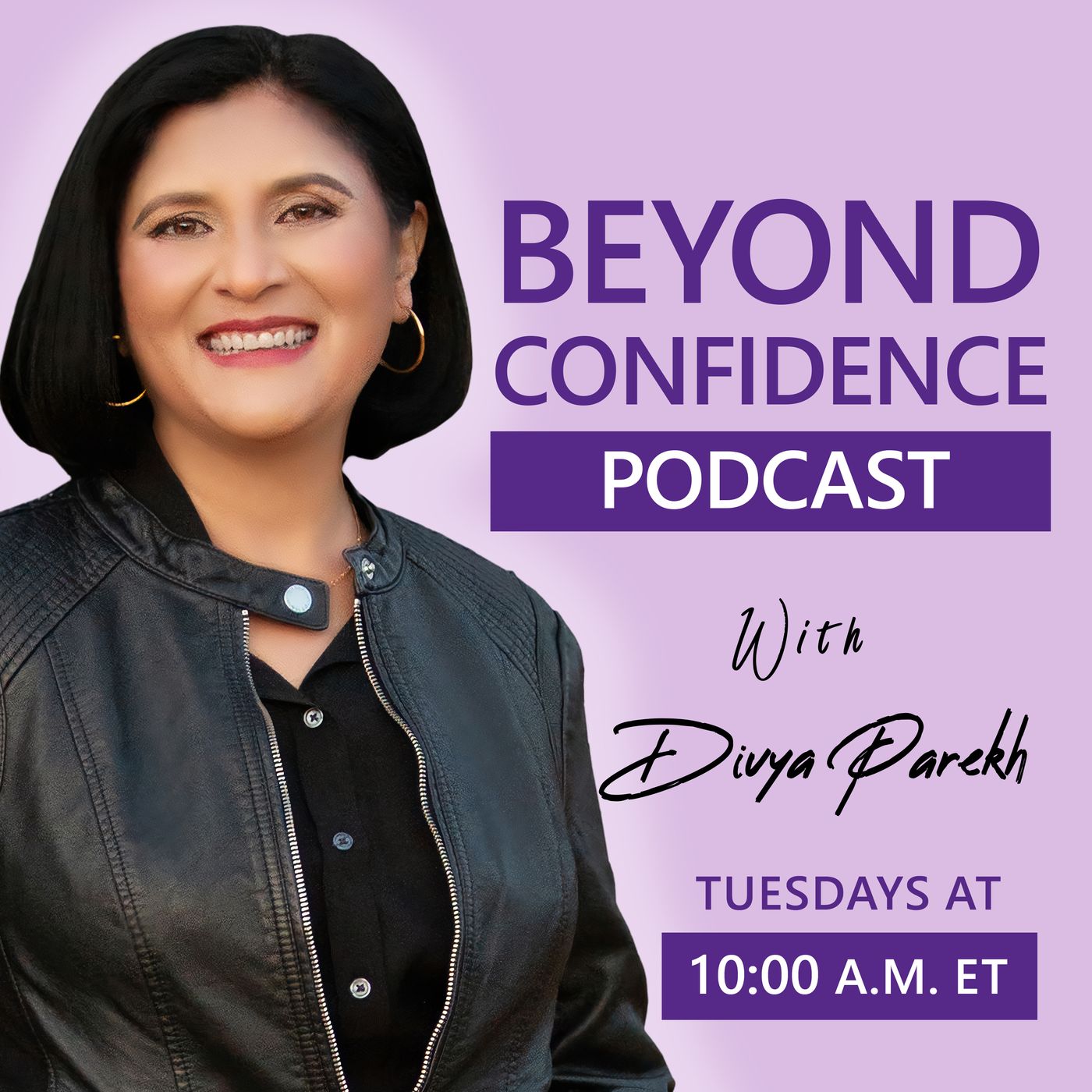
Join Divya Parekh and Jevon Wooden to learn how to land a speaking engagement and turn it into a lucrative opportunity? If the answer is yes, then this episode is tailor-made for you! We're pulling back the curtain on the world of public speaking,...
 iHeartRadio iHeartRadio
 Spotify Spotify
 Youtube Music Youtube Music
 Amazon Music Amazon Music
 Apple Podcasts Apple Podcasts
 Pandora Pandora
 Audible Audible
 Podchaser Podchaser
 Audacy Audacy
 Spreaker Spreaker
 Deezer Deezer
 Podcast Addict Podcast Addict
 JioSaavn JioSaavn
 TuneIn TuneIn
 Castbox Castbox
 Castamatic Castamatic
 Castro Castro
 Fountain Fountain
 Goodpods Goodpods
 Overcast Overcast
 PlayerFM PlayerFM
 PocketCasts PocketCasts
 Podimo Podimo
 Podurama Podurama
 Podverse Podverse
 Podyssey Podyssey
 RSS Feed RSS Feed
 YouTube YouTube iHeartRadio iHeartRadio Spotify Spotify Youtube Music Youtube Music Amazon Music Amazon Music Apple Podcasts Apple Podcasts Pandora Pandora Audible Audible Podchaser Podchaser Audacy Audacy Spreaker Spreaker Deezer Deezer Podcast Addict Podcast Addict JioSaavn JioSaavn TuneIn TuneIn Castbox Castbox Castamatic Castamatic Castro Castro Fountain Fountain Goodpods Goodpods Overcast Overcast PlayerFM PlayerFM PocketCasts PocketCasts Podimo Podimo Podurama Podurama Podverse Podverse Podyssey Podyssey RSS Feed RSS Feed YouTube YouTube
Join Divya Parekh and Jevon Wooden to learn how to land a speaking engagement and turn it into a lucrative opportunity? If the answer is yes, then this episode is tailor-made for you! We're pulling back the curtain on the world of public speaking, revealing the secrets that can transform a simple talk into a profitable venture.
From crafting the perfect pitch to negotiating your fees, we've got you covered in this comprehensive guide.
Beyond Confidence is broadcast live Tuesdays at 10AM ET.
Beyond Confidence TV Show is viewed on Talk 4 TV (www.talk4tv.com).
Beyond Confidence Radio Show is broadcast on W4WN Radio - Women 4 Women Network (www.w4wn.com) part of Talk 4 Radio (www.talk4radio.com) on the Talk 4 Media Network (www.talk4media.com).
Beyond Confidence Podcast is also available on Talk 4 Podcasting (www.talk4podcasting.com), iHeartRadio, Amazon Music, Pandora, Spotify, Audible, and over 100 other podcast outlets.
0:00 The topics and opinions expressed on the following show are solely those of the hosts and their guests, and not those of W FOURWN Radio It's employees or affiliates. We make no recommendations or endorsement for radio show programs, services, or products mentioned on air or on our web. No liability, explicit or implied shall be extended to W FOURWN Radio It's employees or affiliates. Any questions or comments should be directed to those show hosts. Thank you for choosing W FOURWN Radio. This is Beyond Confidence with your host Dvaparnk. Do you want to live a more fulfilling life? Do you want to live your legacy and achieve your personal, professional, and financial goals? Well? Coming up on Dvaparnk's Beyond Confidence, you will hear real stories of leaders, entrepreneurs, and achievers who have stepped into discomfort, shanner their status quo, and are living the life they want. You will learn how relationships are the key to achieving your aspirations and financial goals. Moving your career business forward does not have to happen at the expense of your personal or family life, or vice versa. Learn more at www of you dance givapark dot com and you can connect with you at contact at givapark dot com. This is beyond confidence and now here's your host give you a park. Good morning, listeners, It's Tuesday morning and I'm with you, so of course it's a wonderful day today because I get to be with you. So for all of you who have got our books Expert to Influencer, The Entrepreneur's Gotten and any of the others, and I
1:30 recommend those two because those will change your lives. And surprisingly, just a few days back, one of my friends called me and told me that my Expert to Influencer was still number one even after four years. And believe it or not, the Entrepreneur's Gotten it was published in twenty seventeen, and yesterday one of my team membership that it was a number one in one of the other countries, like I think it was in Canada. So it's like, Wow, you put a piece of your heart and soul out there and if it stands the test of time, nothing like it. And the best part I want to tell you is that my intention over here is to take partial portion of our profits and help entrepreneurs all across the globe, and we continue doing that, and we appreciate you supporting us in helping other entrepreneurs. And I invite you and encourage you and challenge you to find that one hour of your time in your life so that you can help spread the kindness anywhere everywhere.
2:52 All Right, so let's bring our guests welcome to one Hey, thank you so much of you. How are you good? How are you doing doing fantastic? Feeling good, feeling great. I love that feeling good, feeling great. So so tell us, do you recall a moment from your childhood where there was any moment or a person or a situation that still stands out fresh today as if it was yesterday. Yeah, I mean I have a ton of those, Divya, But what really comes up for me right now is really the moment I decided. I decided that I wanted to make an impact in this world. And that moment actually came from a moment of negativity. I was actually in a jail cell. I know a lot of people like what, Yes, I was sitting in a jail cell and I was facing prison time seven years to be exact, and I had this moment where I said, you know what, I know this life isn't for me.
3:55 I know that there is more because I had this limiting belief that money equated to value, so I felt like I was valued less because my family didn't have money. So fast forward, I actually didn't have to do that time and I was given a second chance. I'll bless you, thank you, Yeah, no problem, And I was given a second chance. And that moment stays with me to this day. It kind of guides everything that I do. How can I make an impact? And one of my causes is to help other at risk youth or at hope youth to do the same to avoid having to face that time or having to be in those situations to realize that they are valued. HM. So from may ask you how old were you at that time? I was seventeen hmm, very young. And so as you got out of that situation, what did you do next?
4:50 What I did next was I said I'm going to do everything I can to be on the straight and narrow. So I attempted college, couldn't afford it, had go back home. I ended up working two full time jobs for a while, and one of those full time jobs led to me going too the military. One of the people I was working with was actually a recruiter and he was just moonlighting as a worker at the hospital I was at. So I went down to the recruiting station I was I think I was about twenty two twenty one at this time, and I just said, Yo, sign me up whatever you got. And it turns out that I was really intelligent, so I could have a pick up a litter of whatever job I did. Because I did well in the aptitude test I saw, I went into it and that's how I got my career in it that I had followed for a while before. Coaching and consulting m fantastic And so many times there's so many people who are, like you know, out of school and may not have money for college or even like may not even know where to go.
5:50 So this is such a good way, you know, and thank you for your services, not only you are serving your country, because all the functions are important for are heroes and heroes to continue to doing their work. And it's such a good way of finding your feet and getting your feet bet So what was your experience like in the military. My experience, it was an amazing experience, you know, when you joined the military, and I'm sure many of my colleagues will agree, you meet people that you would never have otherwise met when you come from diverse backgrounds, diverse experiences, and that really plays into the fact that different synapses connecting for me because I was listening to all these diverse thought processes and challenge on the daily to connect with people I wouldn't have otherwise connected with if I stayed in my little region in Rochester, New York. So I had a great experience. It really pushed boundaries for me and it opened me up to becoming the man that you see today.
6:55 I was able to learn more about leadership. I learned about camaraderie and hour of collaboration. I learned problem solving in dire situations. I learned how to figure out what options were there were when sometimes it didn't look like there were options there. So there was so many lessons learned from the military that I still care with me today. Well, that's amazing. And can you tell because whenever we talk about our folks, whether you know, in any of the discipline unit they're in, whether it's military, whether it's a navy or air force, what is one of the things that binds people together.
7:42 Especially, let's just kind of stick to the military, since you don't have the experience of the other two. What was one thing that you know as you were coming across those diverse thoughts, was there, like, you know, one or two things common that bound them together. Yeah? Absolutely, in the Army and in the other I've starved with the other units and joint team operations, right, and the Air Force and the Navy, the Marines. Right, the one or two things that binds us, I'll go too. There's a lot. One of the things is a common mission, right, we all we all want to get that mission done. Whatever that could be. Could be really winning the hearts and minds of the country we're in. It could be establishing better healthcare for our units or our fellow comrades.
8:28 It could be supporting another country and helping to their economics. Right, So, whatever that mission is, that one thing binds us together. No matter what our differences were, we came together right with one goal in mind, and that allowed us to perform at a level of excellence that you know, we probably wouldn't have if we weren't in that mindset to say, you know, let's come together over this common theme. The second thing that bound us together was the fact that we had the same values. Right now, values in this sense aren't necessarily individual values because we did have different individuals. But if you look at it from the realm of a company, which the military, the government really is to companies an organization, right, if you look at it from that perspective, we were given a value set and that value set guided our decision making and it guided how we respond and we rereact.
9:26 So with those two things in mind, a common mission and a common value set, we're able to perform at a level. We're able to communicate and collaborate and not perform any silo types of arenas, and we're able to get the mission done. MM. That is so powerful and that I do want to invite their audience because think about it, well, regardless whether let's say, if you're in the corporate world or whether you're an entrepreneur, we are all bound by the same mission. Is that like, how can be better other people's lives? How can we help others? So if we could bring that in our lives, and whether it's in the form of kindness or whether it's in the form of any other way think about it, how we could help other people and help the whole humanity overall. So I love that.
10:18 I love that, and thank you for sharing that. So now you want to share with us when how long did you stay with military and when did you get out? Yeah? I was in the military for twelve years. I got out November of twenty nineteen. Mm. And as you will finish your services with the military, like you know, what was the next step in your life? Yeah? So I actually was a reservist, which was interesting, right, So I had to be the duality of living on the civilian side and being in the military, which kind of made things difficult a little bit because you know, when you're in either or you know what to expect. You have this this kind of concept of stability in a sense.
11:09 But as a reservist, I was doing both. I would have a job and then I would have to do my service. They say two weekends a month and one week out the year, but that's it's not true. You know, you got all these trainings and all these things you have to do, so I would. I just was in the mindset that one I had to manage my time wisely, right, So whatever I needed to do. I needed to plant it. And then the other thing was, you know, as I was going through the military, as I was concluding my career, I had to ask myself constantly what should I be doing next? How can I make it to a level or not just doing things in hoping for the best where I'm intentioned about a contentional about the way I'm spending my time.
11:54 Now. I mentioned earlier that I had joined the military as an IT specialist. Now we know it is everything we see it and everything we do right, So and that's why I did that career. I didn't want to do infantry or something like that where I was kind of confined. So what I did was, I said, how can I leverage my skills to not just use these for someone else, whether that be the government or another company, but how can I take it to the next level where I can implement this and make my own path. That's where my company came from. So I started. I found coaching, and I tied that with my all of my experiences that I've had through the military and my personal life, and I identified Bright my consulting group. So it's really something that we all can do.
12:37 We all can some of us we feel like we have to kind of shut down a part of our life, like that has nothing to do with anything but all of what we're doing throughout life, throughout our careers, our businesses, it is giving us transferable skills and transferable experiences. So that's really one of the things that I would love to share with your audiences. Make sure you're looking at things right down, how those experiences can tie into the next step of your life, the next phase, right down, how you can share those to help some other people. There's a lot of ways that we can use all this stuff, and that's what I did, absolutely and congratulations on taking what you had and transforming into the next step where you want it to be. So do you want You and I have talked before and you have shared that you know, you do a lot of speaking engagements, and a lot of our listeners, especially leaders, entrepreneurs, coaches, consultants, and it could be professionals, it could be anyone. Like you know, their people are usually afraid of public speaking, and yet public speaking is such an important thing to love that in your lives, and like you know, people don't speak up in meetings and people may be afraid of getting on podcasts or you know, going and doing that face spook are LinkedIn live or going ahead and having videos on their website. I mean that speaking comes in so many different areas, So tell us, like, you know, for
14:09 those people who are experiencing that fear, how can they overcome that fear and move beyond that? Absolutely? First, I always tell people to identify why, what is the goal? What is the purpose of the speaking? Right? So you mentioned stages and all these different aspects of why we need to be powerful or impactful speakers. That's a goal, right. So conveying your message, conveying your thoughts in a way that is understandable, relatable and impactful is important in all aspects of life, whether you're talking to your spouse, a friend, a colleague. We need this skill. This is one of the life skills that are is non negotiable. So I always challenge people when they say I fear public speaking, I asked them, what about it do you fear? First? Once you identify what about it fear, and now we can play the game. Now we know what we need to attack.
15:11 And the most of the times to overcome a fear, you have to challenge that fear. So if I say I fear public speaking because I don't want to stand up in front of people and freeze, how can how can we talk? I will? Can we challenge that? Right? And one of the things is to start doing it on smaller scales. You sometimes like, like you said, you just gotta just do it right, So maybe instead of getting into an audience of one hundred a thousand people and get in front of this room, maybe you start small, Start with a group of friends. Maybe you practice a little bit, maybe actually write down what you're going to say until you get to the point where you can flow freely a little bit. So just take those steps. There's things like toast masters where they will challenge you to just randomly come up with to speak on a topic that you have no idea where it came from. Sometimes, so there's groups, there's support, there's the piece of you understanding why you fear and what you fear, and then there's a part of just saying, you know what I'm gonna do it. I'm gonna start at my level. I'm going to identify why it's important for me, and then I'm going to become incrementally better at it and then another thing that helps me is having a ritual before you do your speaking engagement. I have a ritual. I don't just get up on the stage and just run up there and say, yeah, let's go.
16:32 I actually take some time for me that the day of Right before that speaking engagements, I'm walking through it in my mind. I'm playing it over that way. We all we've heard it before. The visualization makes it feel like you've done it a million times before. So I like to visualize myself going through that, like to visualize the audience being impacted. And then I like to say some words of affirmations to myself right before the stage. So when I get up there, I'm in a calm state. I'm not thinking about anything that's happening in my life. I'm not thinking about anything's happening other than what's about to transpire on that stage. So oftentimes it's really getting into that space, putting yourself into this state of acceptance, this state of openness, right where you're saying, hey, I'm open to the experience that the speaking engagement is going to provide with To me, it's not about perfection, it's not about being a robot. It's about being human, and it's about conveying whatever that message is. You're there to convey, and we have to do that. We have to we have to realize that we're making things bigger than what they need to be. And then I'll also tell people that when you get these speaking engagements, when you're on that stage, or when you're in front of the boardroom, whatever it is, see if you can identify some of your tendencies. A lot of us, that's what we worry about.
17:56 Oh I'm kind of awkward, I don't know what to do with my hands or whatever it is. See if you can identify some of those tendencies. Record yourself a little bit before you get to that point in practice. So if I know I say or awe or right or whatever I'm saying, or if I know my hands are doing all of this stuff, see if you can kind of rein it in and become intentional. Slow yourself down a bit. If you feel like you're starting to get a little shaky, maybe have someone in the audience that you can look at that you know you have their undivided attention, and you know that they're understanding and really resonating with what you're saying and lean on them. That's your support system. We have support.
18:37 We don't think we have support when we're up there, but like it's a one man game, you have support. Find it. Find it in the audience, in a room of five, in a room of five thousand, find that those people that you can tie into and really resenting yourself as you go. And then another point is if you lose your place. A lot of times that happens when you try to memorize something. I challenge people not to memorize your whole speech. That's not what we're looking to do. We're looking to memorize the points that we want to make right, the key points. But if you try to memorize the speech and you get up there and you forget it, you're going to be completely thrown off. I've seen it happened Dibia, and it's not pretty. It's not a good thing, right, So instead of working to memorize and say things verbatim, look to kind of idea and look to guide yourself with certain key points that you want to make throughout that speech, and then feel free to flow. Feel free to flow as you go. If you miss the point, see if you can come back and bring it later. If not, it's okay. Allow yourself to be human, allow yourself to be fluid. Some very very powerful nuggets.
19:44 And I like what you shared that practice, practice, practice, because sometimes you just gotta put yourself out there and you are showing up for yourself. Because here's the thing, the way our brains love to do it. Like you know, you take a tiny step and you are able to do it, You'll build that confidence you take another steps. It's just about taking those baby steps, as you mentioned. And one of the things you also talked about recording yourself. You can have that computer, stand up and just record yourself and see, as you mentioned, Juan, is that where those ums and als, where are those tendencies coming up? And one of the things you can do is have a index card where you just have those four or five bullet points. And so many times I've found that, like you know, I've been on stages as well, and I do not memorize, as you mentioned, because memorizing. If I memorize, then I'll definitely lose my place. So having just three or four points if you don't remember, just knowing that like okay, you know today I'm going to be speaking about this. These are the three key points that I'm going to talk about with stories. And when you relace it with stories, you know if they're so much easier to tell. So we talked about the fear John here with us.
21:11 What makes a good speech, like, do you have a framework that you use or just any tips around how do you engage those people? Because it's a one man dialogue. I mean, of course sometimes you can interspose it with pulling people in, but any tips you have that would be great. Absolutely. The first is what I like, I said, the goal, right, That's what I started with on everything. The goal like who's my audience? Why am I there? To make sure my speech aligns within reson resonates with them. The second thing is forging an emotional connection. You mentioned stories. Stories are a great way to forge that connection and get them to feel like even if they weren't exactly in the same situation of that story, they need to be to picture themselves in a similar thing where you're getting the thing Okay, this aligns with me. This, Okay, I can see how I can apply what's being said here or if I'm getting this feeling, I'm getting excited, I'm getting happy or I'm getting sad, right, So forge that emotional connection using some stories, because without that it's really hard people. And I'll bring this point Mia Ageley once said, people will forget what you said, people will forget what you did, but they will never forget how you made them feel. So we don't go out there to give a bunch of points and then get off the stage and that's it. You have to have support for those points so people can remember, you know,
22:41 how that point made them feel. Because you're not going to remember everything you said. Let's just get that out the way. That's not why you're there. You're just there to impact, engage and transform whatever whatever your speaking style is. Right. The third point is you want to make sure that when you're up there, you're not so concerned with the outcomes. And I'll tell you why. When you're concerned with getting a standing, innovation and you know all of these things, you start to get out of being yourself. And it's very important that when you're speaking, you bring the uniqueness, which is you or else you're gonna be just like everyone else. And that's why it's important to find your style and to find what type of speaker you want to be. You know, you could be a motivational speaker, get up there and ride, ride and get everyone hyped up. You could be an informational speaker where you're actually given insightful knowledge. You can be a transformational speaker where you're looking to get someone from point A to point B. There's there's a number of ways you can be up there, So identify your youth, your uniqueness, and how you're going to bring your spin and your take on everything.
23:52 The fourth thing when it comes to an engaging presence is making sure that you also kind of dis that audience right, So you want to make sure you're hooking in them early. That could be with a powerful question. That could be what a statistic, could be with a joke, could be with a story. It could be you saying, Okay, I know i'm up here, but let me tell you why we're on the same plane while I'm just like you right. There's a number of ways where you want to do that, but you have to do it earlier. It's really hard to get the audience back if you don't bring them in because that's what they're looking for, Like, let me let me listen. You know, when you first come on that stage, you're like, all right, what do you got, What do you got for me? They're gonna sit up in that chair and they're going to listen to that first two to five minutes. Then two to five minutes you made their eyes glaze over. It's gonna be hard to get them off checking their phones or talking to their neighbors. So you want to make sure that you're getting them in within that first two to five minutes.
24:49 That's all you got attention, and it's shorter now, but we'll give you that right. The fifth thing is is make sure that you're taking action. You're giving them actionable tips. Make sure that you're not just up there and then you leave them hanging. Always have a call to action. Always have a call to action. Don't get up there and say, oh, thanks for having me guys, I'll see you later. No, you know that call to action. And this goes into the point of knowing if you if you're up there to sell something, knowing if you're up there to have them connect with you, knowing if you're up there to have them take some sort of action outside of the speech. All right, So whatever that is, that call to action needs to align with them. So for instance, if I have a talk and I have a speaking engagement and they say no, selling, none, none of that, you can't push from stage.
25:40 I may say, hey, here's my you know, I would love to connect with you on LinkedIn. Go ahead and scan this QR code. Shoot me a message on why and apologies, my dog is bark into something. Shoot me a message on why my speech wasn't before you give me a nugget on one thing that stood out for you. So there's a number of this ways you can do that cart of action. It's really up to you and how it aligns with what your goal was for that talk. Yeah, now that's definitely very very powerful, and it brings us back to that circle why are you there and what is the purpose? And again it brings us back to the beginning creating that impact on people because you're not there just for yourself.
26:29 You're not just there for everyone. Think about when you're speaking to just that one person, even if you make a difference to one person, it's going to be phenomenal. And you were talking about gorging that emotional connection. Nothing more powerful than storytelling where you share what you've gone through, and especially Again, it depends on what kind of speaker you are. As you mentioned, Joan, so very important to be a little vulnerable, so that as you mentioned that everybody's at the same level, everybody's at the same playing field. Just because you're up on the stage doesn't make you any different from them. So connecting with them very powerful. So now, okay, if we have talked about that a bit, now people may say, all right, I've got I've overcome my fear, I've got my speech. I'm have to saying how can they go and find speaking engagements? Yeah, there are a number of ways. One is start with your network. If people know that you're speaking, and you know exactly who you're looking to speak with, that's that's an important point. Part is identifying who you want to speak to.
27:37 Is it associations, is it government organizations, corporations, is it schools, colleges, high schools. Identify who you want to speak to. Who's your audience, Why do you want to speak to them? What stories are you looking to tell them? What what what is the outcome of you speaking to them? Then once you fill that out and you get your message, your skill, you know you're quick. Hey, I like to speak to X because this is the transformation I want to give them. Start telling people. I will post it on social media. I'm telling my friends my network and say, hey, if you if you have anyone, any schools, or any associations, whatever your target audiences, you know, anyone who can use it, I would love for you to connect with on LinkedIn. This is my bread and butter here on LinkedIn. What I like to do is with my network. I'll look at their second level of connections and if I see someone in that second level of connections that fits my target audience. Maybe, for instance, I like to speak to associations. Maybe they're at an association that I want to speak to, I'll let them them like, hey, do you mind I notice you're connected with these part people. Do you mind connecting with them? And you know, setting up conversation. Here's a speed And I'll give them a block on what they can say to make that connection.
28:53 Because some people are like, what do you want me to say? I'll tell them why the connection is important, how I can benefit them. Because a network is invaluable to everyone. We don't want to just make the introduction and then you ruin that connection for them, right, so you got to make sure that you're getting value for both people. Right, I'm gonna make you look good and I'm gonna make them look good. I'm going to provide value to them. So once they make those connections for you, now you want to set up a call. You're not selling through a message. Don't do that. You're not selling anything that's important to make that note. Not looking to sell, You're looking to have a conversation because you want to get on that phone and you want to ask him. So, hey, I saw you had a conference coming up in November. Whatever it is.
29:38 I saw you had this conference coming up, and what you're looking for actually aligns with something a talk that I gave on X. Right, So you really want to have all that information ready, and you want to be willing to ask a bunch of questions so you can see how it ties together. Maybe they're not the one and maybe they're not the decision making and you can say, hey, you know you happen to know who's the person booking the speakers for that event. Would you happen to know what they may be you know, looking for and how I can connect with them, etc. Just have your questions ready again, you don't have to memorize everything, but have some questions ready for them. So it's a conversation that is a great use of both of your times. The second way that you can identify speaking engagements it's Google. You can use Google. So, I mean, we all know that Google is powerful, but it's really powerful for speakers as well.
30:33 So if I know I want to speak at a leadership conference, for instance, I may say leadership conferences in Houston, Texas call for speakers, and a bunch of conferences are going to pop up. Maybe I don't feel ready for those first five that pop up. Maybe they're like, Okay, I'm not ready for that that's five thousand people. But I would I would try. I mean, I'm a person that I'm I don't mind rejection or I don't mind someone not responding to me at all, so I'll go for those. But you don't have to. Maybe you go down to the bottom of that and look at those similar results conferences and you start applying for those. That's another way, you know, just do call for speakers as you first getting started, just to warm up, and it's a great way to identify different connections as well. And then if you don't get those, if you get a message saying, hey, we had a lot of applications and you know we didn't select yours, that's okay. Do not let that deter you.
31:27 See if you can get feedback from that event organizer respond back to that and say, oh, thank you for letting me know. Can you tell me why why my submission wasn't selected at this time? Sometimes they'll respond and say, yes, we you know, we love the title, but the abstract didn't. It didn't land for us, whatever, So just see how much feedback you can get. The third way that you can get speaking engagements is from other speaking engagements. So if I'm I speak a lot to a lot of leaders and business owners, right, so I may go to like a chamber of commerce or something like that in association and just speak for free, and then someone in the audience may say, hey, that was great.
32:09 Do you mind if we set up a call so you speak to my company or my team. That's a great way to do it. And that's why I said you always want to have a call to action because you never want to make it hard for people to know what's next. A confused mind is one that will not take action. So you want to make sure people are seeing you all the time. The fourth way and let me know if you want me to stop give you the fourth way is the fourth way is to leverage your platforms. Right, we talk about value based content and content marketing and all those things. That is great, but it's only great if you get it in front of the people you want to get in in front of. So, for instance, I said my platform is LinkedIn. I'll write a post that I know is valuable to my target audience. But I'll take it a step further. Not only will I share it to certain groups who may have my target audience in there on LinkedIn, I will also send it to people that may be interested in it. So I may message them like, hey, you know I just wrote this. I saw that you.
33:22 I saw you that you were looking for a marketer on your team. Here's a post that I've just written that you may find interesting. Whatever it is, see if you can tie it into their needs. See if you can tie it into adding value for that target person. And those are some of the ways that I like to leverage to find my speaking engagements. Well, those are a lot of powerful nuggets. So thank you Joan. Now you mentioned about going to Chamber of Commerce and there are a lot of entrepreneurs there that public speaking can help them grow their business. So how can they make the connections? Especially you know, if it is you're going to speak for free, then first of all, of how do you make those connections?
34:04 Let's talk about that, and then we'll come to the second piece. Sure, well, first of all, to make connections, this is a relationship, you know, business. Let me put it like this business is not transactional. It's relation though, and we just have to remember that that instead of looking for the cell from the front, from the gate, we look at the relationship. How can we build rapport with those people? So what I like to do is I want to talk first. I'm want to see what type of events they had before and then they usually say who the person is that through that event or who was the event manager or who you can contact contact that person and say, hey, I saw that you had this event last year or this event coming up? Now are you still looking for speakers? And I'd rather do it in person, so you can if you see that the person's name is there, see if that person is at the event, that you're attending, and then have a conversation with them, find out more about them. Hey, I noticed that you you were in charge of putting the event together last year, or you know coming upcoming?
35:05 Are you still looking for speakers? They may say yes or no, And then if they say yes, you say, oh great, you know how you know? What are you? What type of speaker are you looking for? How may I be considered? Let them know that you're interested, and then they may say, okay, tell me more about your talk, tell me more about how you can serve, let them know and what if they say we are full this year, then you can say, all right, I'd love to be considered for the next event. I saw that you have this coming up. You always wanted to be prepared to giving them the option to pull you into whatever is coming next or they know that they can rely on you. And another thing you can do, especially if you're not quite comfortable being like a keynote, because you don't always have to be a keynote speaker, is you can look for panel topics, panel discussions that cover your level of expertise that you can just sit on the panel. Someone's asking you questions and you're just providing your value. That's a great way to get noticed as well. So look for those types of things, Look for the people who are running the events or who may have a secondary connection to the people running the events. Talk to the crowd, let them know exactly what you're doing, what you're looking for. And I always say that you'd be surprised.
36:15 You'd be surprised who knows who or who can do what. So don't discount someone because they're not in your industry or they're not necessarily your target audience. Always speak to people with that respect and be inquisitive. Find out how you can help them first and foremost, and then see if you can probe and find out how they can help you. It again comes back to two things, right, building relationships and not setting out of the gate and thinking about the impact. Because at the heart and the core of an entrepreneurs of being service to others. So when you're thinking of that impact, you'll be able to share with them what you can talk about that's going to service their audience. And now let's say you do have that speaking gig, and once you're in there, you've talked about building relationships as well as you've talked about call to action. So let's say if you're just kind of getting introduced, so a first time audience, some cases you may be coming back and speaking to the same audience. So, especially in those first time cases, what are typical good call to actions to have? Yeah, one is connecting, connecting with you right on whatever you your ideal platform is. You don't want to make it too complex. You don't want to give them five different things.
37:34 Give them one thing to do. So if you're able to sell, maybe you have a book you've written, you can say, hey, you could purchase my book at this site. I like to use QR codes because people can scan it and they also can see the link, so I like to put a QR code up there. You can also have the call to action. Maybe you are making back in the room sales where you have like a table or something set up. You can make a call to action to come check out my table whatever that is. You can make a call to action to say if you can't do any of those things because the event planner won't allow it, you can make a call to action to you know what, if you had to speak, for instance, I might have a speak about speaking engagement about you know, impacting change, and I might sell it, you know, I want them to be a change maker, and then I might at the end, I might say, so think about how you can impact change today, right, or something like that, and leaving with a cliffhanger where they have this question in their mind, they say, how can I be? Because really you want to provoke some type of difference, right, It's about making a difference in some way for them. But you just have to think about what that that call to action again if it makes sense, but what you're there for. But I like the connecting ones.
38:45 I don't even sell typically from stage. I want to be connected to you so that I have you again. It's not the short term, but we have long term relationships where we can start building a rapport. And if they connect with me on like a LinkedIn or Facebook and I tell them, hey, send me that direct message, let me know what stood out for you, let me know how we connected and you know what resonated with you, then that automatically gives them agency to say, hey, Javan, you know I saw you speak at ex place. You know I'd love this part of it. And they're gonna tell me everything then I'm gonna ask, oh, that's great, you know why why did that stand out for you? And then I can have this conversation and then that could lead to my next speaking engagement, or that could lead to another business or maybe just a friend.
39:29 Right, So that's why I like that one best. But you can do it based on the audience in the environment that you're Yeah. No, definitely some very todd provoking points over here. So now tell us how do you even your business with speaking engagements and how is it that your hope people? Absolutely, I mean speaking of gayments are the primary way that I generate business. So I'm a coaching consultant. I focus on leadership and executive coaching and then consulting for service businesses, professional services, and tech firms. Right. So how it helps me is if I know that I want more coaching clients in the leadership space, I'm gonna go speak out a leadership conference or something to deal with those business owners and key decision makers. Right. So, in my call to action is stiff, We're gonna be hey, connect with me. So when they see me speak and I'm asking them to connect with me and they do it, they may connect with me right then and there, they may pull me off to the side. And that's another point you when you do get a speaking engagement, make sure you're not just there for your talk and then you leave. Get there before introduce yourself to however many people you can introduce yourself before getting up on that stage. And then when you come off that stage, don't be on my own olympus where people can't reach you. Come off that stage and talk to the audience, right because that's going to show that you're genuine, you're approachable, you're personable. That's going to help you make those relationships faster. So that's another thing that I
41:00 do when I have these speaking engagements. I take advantage. I'm there and I'm present, I'm not on my phone afterwards, I'm not leaving, I don't have another engagement. I use that time to make those connections. So speaking engagements are very key to mine. And I speak virtually. I speak in person. Right. You have these different options that you can leverage, but I'm always there no matter if it's a free engagement or paying engagement. I'm always there. Very intentional about being a powerful and impactful speaker. I'm never gonna be like Oh this is free. I'm just gonna wing it, no gonna come there. I'm gonna have prepared there before it, and I'm going to give my all, right, and then I'm going to make sure that people know how to find me connect with me so that I can give my all again and for whatever they have going on. And that's the power we're speaking for me in my business. Yeah, and that's definitely very powerful.
41:57 And it's all about showing up fully and being present for people over there. So if our audience, I'm sure many would like to connect with you there, can they connect with you? And what's the best way of reaching you? Hey? LinkedIn right LinkedIn you can connect with me. Just search my name Javon Wooden jev O n w O O d E N and you'll see NBA with a light bulb and that's me. I found out there's another Givon Wooden on there, so I always got to add that. And then you can also go to my website Brightmind Consulting Group and just so that one of the first things you'll see is how to schedule a consultation or do an assessment for your business. And either way you're gonna get me another, well fantastic. As we wrap up the show, do you have any last words?
42:51 Yes, share your story, Share your story, and you can do it in your own way. You do not need to be a keynote speaker. You don't have to get up on huge stages. Share your story though, use your platform to create that impact and establish your legacy. I agree one because the more we share of ourselves, the more we share about our stories, people know where you have been and you can impact even if one person who maybe feeling like, oh, I'm down and under I can't do this, and then they can see that Yep, if this person could do it, I can do it too. Absolutely, So thank you Joan for coming to our show and providing such valuable nuggets. Well, thank you so much for having me dave you. This has been fine. Absolutely, and thank you listeners, because without you the show would not be possible. Thank you for reaching out to us and letting us know your thoughts and requests like as to how we can help you, because know that we are here to help you live the life you want in the best way possible and so that you can live have that lifestyle that you deserve. Well, thank you for being part of our show, and thank you one for making the show technically possible. Until next time, be well and take care. Thank you for being part of Beyond Confidence. With your host, Diva Park, we hope you have learned more about how to start living the life you want. Each
44:22 week on Beyond Confidence, you hear stories of real people who've experienced growth by overcoming their fears and building meaningful relationships. During Beyond Confidence, Diva Park shares what happened to her when she stepped out of her comfort zone to work directly with people across the globe. She not only coaches people how to form hard connections, but also transform relationships to mutually beneficial partnerships as they strive to live the life they want. If you are ready to live the life you want and leverage your strengths, learn more at www dot dvapark dot com and you can connect with Diva at contact at divapark dot com. We look forward to you joining us next week.


