
Voice of Influence: Turning Speech into Success
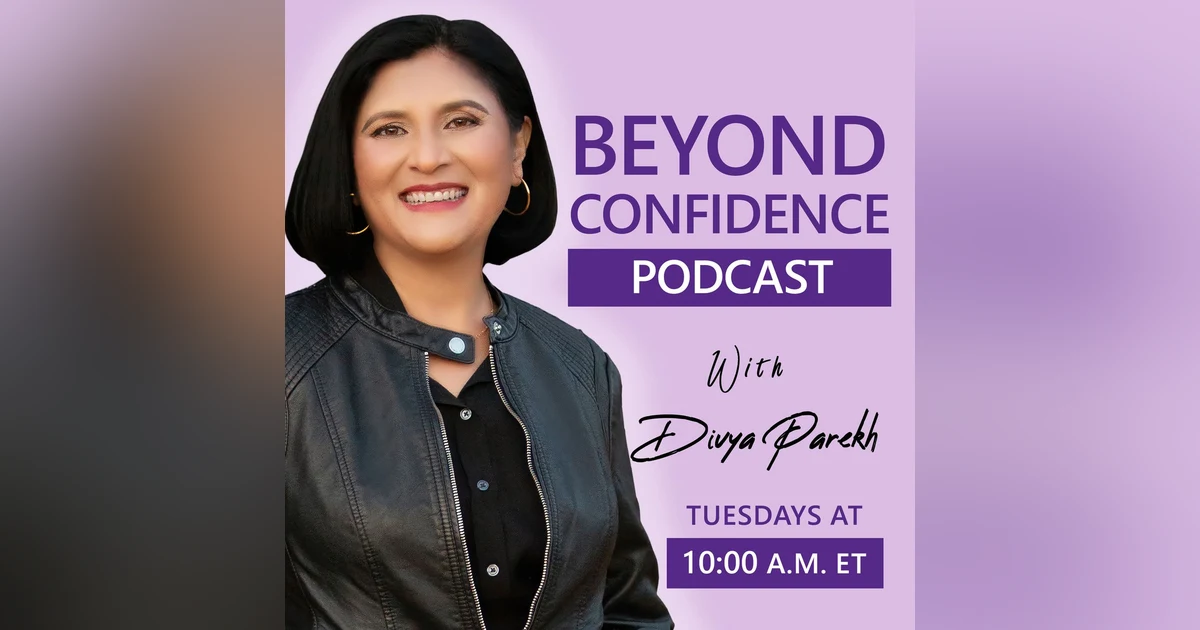

Join Divya Parekh and Sarah Victory as they delve into how you can transform your speaking abilities into a thriving business.
This is not merely about captivating an audience; it's about harnessing the power of your voice to inspire others, share...
 iHeartRadio iHeartRadio
 Spotify Spotify
 Youtube Music Youtube Music
 Amazon Music Amazon Music
 Apple Podcasts Apple Podcasts
 Pandora Pandora
 Audible Audible
 Podchaser Podchaser
 Audacy Audacy
 Spreaker Spreaker
 Deezer Deezer
 Podcast Addict Podcast Addict
 JioSaavn JioSaavn
 TuneIn TuneIn
 Castbox Castbox
 Castamatic Castamatic
 Castro Castro
 Fountain Fountain
 Goodpods Goodpods
 Overcast Overcast
 PlayerFM PlayerFM
 PocketCasts PocketCasts
 Podimo Podimo
 Podurama Podurama
 Podverse Podverse
 Podyssey Podyssey
 RSS Feed RSS Feed
 YouTube YouTube iHeartRadio iHeartRadio Spotify Spotify Youtube Music Youtube Music Amazon Music Amazon Music Apple Podcasts Apple Podcasts Pandora Pandora Audible Audible Podchaser Podchaser Audacy Audacy Spreaker Spreaker Deezer Deezer Podcast Addict Podcast Addict JioSaavn JioSaavn TuneIn TuneIn Castbox Castbox Castamatic Castamatic Castro Castro Fountain Fountain Goodpods Goodpods Overcast Overcast PlayerFM PlayerFM PocketCasts PocketCasts Podimo Podimo Podurama Podurama Podverse Podverse Podyssey Podyssey RSS Feed RSS Feed YouTube YouTube
Join Divya Parekh and Sarah Victory as they delve into how you can transform your speaking abilities into a thriving business.
This is not merely about captivating an audience; it's about harnessing the power of your voice to inspire others, share compelling ideas, and ultimately, fuel business growth. We explore how effective communication can cultivate partnerships, secure client relationships, and bolster personal brand recognition.
https://success.divyaparekh.com/unfairadvantage/
Beyond Confidence is broadcast live Tuesdays at 10AM ET.
Beyond Confidence TV Show is viewed on Talk 4 TV (www.talk4tv.com).
Beyond Confidence Radio Show is broadcast on W4WN Radio - Women 4 Women Network (www.w4wn.com) part of Talk 4 Radio (www.talk4radio.com) on the Talk 4 Media Network (www.talk4media.com).
Beyond Confidence Podcast is also available on Talk 4 Podcasting (www.talk4podcasting.com), iHeartRadio, Amazon Music, Pandora, Spotify, Audible, and over 100 other podcast outlets.
0:00 The topics and opinions expressed on the following show are solely those of the hosts and their guests, and not those of W FOURWN Radio It's employees or affiliates. We make no recommendations or endorsement for radio show programs, services, or products mentioned on air or on our web. No liability, explicit or implied shall be extended to W FOURWN Radio It's employees or affiliates. Any questions or comments should be directed to those show hosts. Thank you for choosing W FOURWN Radio. This is Beyond Confidence with your host Dvaparnk. Do you want to live a more fulfilling life? Do you want to live your legacy and achieve your personal, professional, and financial goals? Well? Coming up on Diva Park's Beyond Confidence, you will hear real stories of leaders, entrepreneurs, and achievers who have stepped into discomfort, shanner their status quo, and are living the life they want. You will learn how relationships are the key to achieving your aspirations and financial goals. Moving your career business forward does not have to happen at the expense of your personal or family life, or vice versa.
0:59 Learn more www dot dvapark dot com and you can connect with div Ed contact dvapark dot com. This is Beyond Confidence and now here's your host, Via Park. Hello, this is Devia and it's Tuesday morning, and I'm so thrilled to be here with you all because this is one of the favorite times of the day for me. So I want to thank each and every one of you who have got our books because we could not do without your support, and also thank you for leaving us reviews. And I want to share that we were able to help another entrepreneur across the globe through Kiva dot org because you've helped us and the partial profits from our books go to Kiva dot org. And of course I'm really passionate about entrepreneurs because entrepreneurs are the agents of change. And for those of you who have not gotten books, please grab a copy, because not only it's going to help you in your life, it's also going to help another global entrepreneur because of your contribution. And as always I'm inviting it to spend that hour of your time every month with no strings attached, help somebody. Let's keep the kindness storcle going so important, and I want to share story about Ivannah. So Ivana reached out and
2:30 she shared how did she help out? So her neighbors were out of town and she took care of their dog and she didn't charge them anything. Usually the dog goes in the kennel, and she decided, like, you know what, let me spend some time the dogs. So that of course went maybe on one hour. But I want to share her kindness story with you. Also, thank Evannah for running that and without further ado, I'm going to bring on our guest. We've got a specially guest in store for you. Welcolm, Sarah, thank you for having me on. It's a lovely story. I appreciated you sharing that. I love what you said about kindness a circle of kindness and continuing that on very important to me too. Lovely, lovely, Oh, thank you for that. And because without kindness, life can be very very hard, and it's just amazing that we have lost that art of kindness. It's just a simple thing we can do for someone without investment, without spending that much time or energy, and it can become such a beautiful thing. And one thing I do want to share is that kindness is more for ourselves than for anybody else because it makes us feel good, does it does? Yeah? We have you know, every company has their company values and our number one. Number one is kindness. And I've had people look at me funny when I said number one is kindness. If
4:04 you are you know, people will forgive anything. You could make a mistake, miss a meeting, mess up a delivery date. But if they don't, they will not forgive the experience. And if they don't feel like they were dealt with with respect and kindness, they're going to go away mad and and it's just bad karma. I'm with you. I think that's lovely. Yeah. Oh, it's wonderful to have you on the show. So Sarah, tell us if you remember any moment from your childhood or you that still stands out for you today. My childhood, that's a while back. Lots of things stand out. I'm trying to think of something in particular. That's a question I've never been asked. I've done hundreds of radio shows, TV shows and podcast You are the just ask me about something that stands up in my childhood. Um. I remember that I was never very good at sports, but I loved Um, I love dance and I loved to play dress up. So I got a hold of some old dresses that the ladies in the neighborhood all we're going to donate, and I put them in a a in a trunk and my my brother found some things and we just we just played. I got all the other kids in the neighborhood involved, and we were we would played dress up incessantly, and then finally we decided to know
5:35 what, We're going to turn this into a show, and we're going to charge admission. I'm an entrepreneur, like eight, right, so it was okay, we're going to charge admission, and so I think it was a quarter. I'm pretty sure it was like twenty five cents and um. And so we got like all everybody in the neighborhood came to this thing and we put we put we literally put on a show in a garage and it was it was It was a lot of fun. And I remember thinking to myself, I like running things. I really like this is this is this is working for me. And there's a photo of we also had we also had a kool Aid stand, not lemonate, but kool Aid because that was all we had now and my brother was standing next to me. He was a couple of years younger than I was. And there's this great, great photo I think it might even still be on the website of me at seven or something and my brother at about five, and we put on the website and it says, here's Sarah with her first employee training her first employee. So I love feeling I was always supposed to supposed to run a company. What a beautiful memory, because think about it then, so many times, you know, people look at these ventures like, oh, kids want to do it. But if it is something that we can encourage in children or adults, doesn't matter whenever you are. What I'm seeing is that everybody came together.
6:58 The whole neighborhood came together. It was fond, they were supportive, and that's what builds a community and which is so important, especially in today's day and age of social media and so much disconnet going on. So you definitely showed the making are I had to make it, and I really do believe in creating a tribe. My brother and I. Something is sort of interesting about my life as we moved I think sixteen times as kids. My dad was a professor so we were going from city to city as he was opening up different university programs, and so I started to feel like, oh wow, we keep moving, keep losing all these friends, and all of a sudden I thought, no, one day, these people will be my tribe. From all these cities around the world. The whole world is just a small town. And I think that as the years have gone by, and we now have social media and we have which kids good and bad, but we have ways to connect with that tribe that we've had maybe from grade school, maybe from high school, of college if you went to college, or what other kind of adventures you have been on, first job, second job. And it's lovely now that you can collect those special human beings and have them in that tribe and be able to encourage each other along the way.
8:20 Very important and change my life quite a bit. Yeah. No, And I like how you said the world is a small town, just like they say, no world is my oyster. And having that tribe, so it's using that different perspective. So as you grow, what would you say was your biggest experience getting to new towns. I mean, of course, on one hand, there is that sense of adventure at the same time losing your friends and you did mention that you were up for it. It was it was definitely difficult. I think it sounds more than it is. Um it may be very good at adapting into different places. So as a speaker, it's come in handy because I could pick up I could literally pick up a Southern accent in two or three days. My brother's really my brother's even better that than I am. I could go to England and I could you pick up whatever dialect was in that region to a point where people didn't know we were foreigners, because when you're a kid, being foreign is not good.
9:26 That is, that isn't bad the bad column. So it's come in handy. When I've been speaking in places where I didn't necessarily have a lot in common with people, I've been able to find out what's important to them, what are the big sports teams, what are the big issues of the area. How do they say Do they call something coke or pepsi, you know, pop or soda, or do they call them trainers or sneakers or tennis shoes or you know. It's just those little things that allow you to bond with people and have as much in common as as possible, so it's be helpful for a shy kid. It was. It was difficult, but it also made me less shy, and also, you know, it forced me to be a more outgoing person. And then that part of me that was good on stage, that part of me that was a good director, that part of me that was a good entrepreneur, did come out. And I think that as difficult as it was for us as kids, as my childhood was very difficult, I wouldn't give it up because I like who I became because of it, and I think we bring honor and dignity to any suffering we have, small or large when we use it to help other people.
10:39 And I feel like I use all the things I've experienced my whole entire life to help other people every day, and that's what matters at the end of the day. And you said it very nicely that it was difficult, and then we are talking about having the difficult things as you grow up. Where did your interest take you? I went to New York University and I studied theater. Eventually started a theater company with a couple of my pals and um, we had a Broadway theater company for about a decade, I got to a lot of directing, some acting. Um start, we had Off Off Off Off Broadway Way downtown in New York City, went to Off, went to you know, it was just it was a Broadway theater company.
11:26 Eventually did larger New York Times, you know, reviewed shows and stuff. So it was it was very interesting, and it was a background that you wouldn't think would feed into what I do. But by the time I was twenty something, I had a multimillion dollar business I was running with my two partners, and um, I didn't know. I didn't know. You weren't supposed to just go to big corporations or go to heads of things and say you were supposed to say, hey, give us some money for this theater company. You know it'll be great. We throw wonderful parties. So it's like that was my life, you know, but I didn't you know it. There's a great thing about being naive and not knowing the rules. Yet if you don't know what the rules are, it's okay to break them, and everybody just sort of laughs and goes, okay, kid, we'll give you whatever you want. So I think the fact that I've always been a very determined and passionate person has paid off, as some might say a bit stubborn, but overall that's not always a bad thing. I think the fact that you just chip away at whatever the goal is, even when I was fairly young, and it doesn't mean that I didn't have terribly hard times coming along, you know, And that was my first business. We had shows, It did not do well, we had chose it did very well.
12:43 Surviving all that was difficult. One of my best friends died of AIDS and it just he was my north star. It was very difficult. So there were a lot of things. There are a lot of things that were have been trying. But the fact that you have some sense of a goal of helping other people or entertaining other people, or just making some sort of difference, that is what's kept me going during any dark times. That that I yeah, yeah, I know. Sounds like you definitely had your fair share of experiences, difficult, challenging, adversities, whatever we want to call them. So now you mentioned about directing a lot of shows at such a tender young age. I did a fair amount on stage. I did I did Katon, Taming of the Shrew, We did it set in the nineteen fifties with a live motorcycle on stage. That was interesting. We had Elvis Presley in nineteen fifties music going and it was it was really, it was really something. We get these, you know, one of the ways you pay for a Broadway show is you get bus loads of kids and bustles of elderly people that come in on Wednesdays. And the elderly people all talk very loudly and because they some of them can't hear too well, BLUs their hearts and you know, crinkly candies and and give it like it was just it was very, very interesting, and yet they were the most lovely, generous with their praise, kind people. Um and the teenagers. You always thought,
14:16 oh gosh, here comes to teenagers. What are we going to do. They're not going to get this, They're not going to like this. I'm not sure I would have liked this ten years ago or whatever. And they were the most enthusiastic. They were absolutely We had teenagers that came back and wanted to pay for the show. Half a dozen more. We wouldn't let any of them pay for it. But you know, over and over and over again, they would like, you know, be in line trying to trying to get to see the show, and so it was it was really interesting to me that they would walk in like, ah, you know, my teachers make me do this, and then you know, twenty minutes in they were they were really riveted and laughing and having a good time. So but we had a great theater company. A bunch of the people that I got to we had the theater company have gone on to do a movie and TV and write, you know, write movies and an act and and so yeah, we really had fun doing it. I hit a day one day where I thought, I really want to make more of a difference than I don't know what that looks like, and so um, so I got this, I got this book. I'm very dyslexic, so I got an audio as I got a lot of things on audio these days too. But it was called wish Craft and was like, what do you wish for? And how are you going to craft? What is it you wish for? I didn't know what it was going to be, but I sort of had this image of me standing on stage talking as myself and I was like, I don't know what that would be and so because I didn't know anything about speaking industry. And then I had this girlfriend of mine that had been our stage manager for years and she took this big, fancy corporate job. Was so proud of her, and she's out in California and she said, you've got
15:48 to come. I have a budget for a speaker to come in. And I said what, I literally said, what is a speaker? Well, we pay you money, and we fly you in airplane, and you stay in a beautiful hotel, not those drafty hotels, but not those drafty theaters you're used to, but we can like, I'm a nice hotel overlooking the ocean this time. And I was like, oh ocean. I like, She's like yes, and we pay you money and then you stand up and you talk about stuff, and I thought, I think my parents would have paid me to stop talking as a child. This is some sort of joke, because no, no, no, I want you to tell, like, how did you build a theater company and how did you take it from zero to millions of dollars with you know, lots of help from the whole team, wasn't just me and uh, you know, And she said, what did you how did you do that? What did it work? Really?
16:34 Because yeah, you're really funny. Tell all those funny stories you tell, you'll be fine. I'm like, what funny stories? I don't know how funny barely she thinks I'm funny. So I get on the plane, I go out there, and I think, oh, this is gonna be great. And I was. I was so new at this that I didn't know to ask all the questions you're supposed to ask, and you're supposed to say, you know, how many people will be there was the male female ratio? What do you people sell? Would be kind of a good question to ask. None of that stuff. Am I going to be translated into other languages? I have learned that's an extremely important question to ask. So yeah, So I get there and I'm standing there and I'm looking around, and I'm looking around and there's all these people wearing these T shirts and they all look the same, and there's hundreds of them, and I'm thinking, that's an awful lot of people with the same T shirt. I think that's the name of her company. And so there there I see her. There's Margaret, and I said, oh, Margaret, um, I have to ask you a question. How many people are at this conferences? Shecause, I've got about a thousand, and I went and I think my face just blanched. She's like, you've entertained people more than thousands of people all the time. You're going to be fine. And I'm like, not ask myself with my own script. I had Shakespeare lean on or or Sam Shepherd or somebody else that is me. So she says, oh, you'll be fine.
17:52 So I don't know what to do with myself. And again I didn't know what I didn't know. So I started walking around and grabbing people and going, tell me what you sell, how do you sell it? What does it look like? And so so people were taking me into their like hotel rooms and conference rooms and showing me their products and how they're demonstrating how they promote them. Everything was done by by presentation, and they were like, well does that actually work? No, No, we hate we hate the presentation, Like, well, why don't you just do it this way? Well, I'm a director, direct direct, direct direct? And they go, this is the greatest thing. I said, Well, and you have to sit up front, because I don't know anybody here. You need to sit up front, please, cheer when I come in, like, be nice, it'll be good. Sure, sure, sure, we'll bring our friends. So I've got like one hundred people now. When I get up to speak in front of me, thank the Lord, and they were.
18:40 They cheered their little hearts out. Thank Evan's right. So I get up there. I don't know what I'm doing. So I tell the funny story because you told me to, and they laughed, and I thought, okay, I'm not going to die. And then I start telling another story and the laugh again. If it's still not going to die. And then I thought, you know, that presentation stuff seems to you really important to these people. I'm customizing. This is called customizing before I knew what customized it was. And I said, you know, let me grab that nice gal who was so good at this. And I dragged this one, whoping up, staying the poor thing, what's happening? And I say, hey, I tell me about your presentation the way you were doing it yesterday. And she goes, oh, we all hate this presentation. Everybody in the whole audience moans about their power point and everything, and she goes, but Sarah showed me something different. So she showed how she was doing it, and then she showed how I told her how to do it, and people went nuts. They're cheering and all this kind of stuff, and I said, okay, well does anybody else want to try it? So I drag a couple more people on and I don't know, this is a keynote.
19:34 You don't do that, but I do. I did, why not? So so they're all coming up. And then I told a real LEAs add story and everybody cried, and I thought, at least I have emotion of these people. I don't know how helpful I was. Probably wasn't that great, but I was trying really hard. And at the end, yeah, everybody's in tears and people and then at the end, people stood. I knew, Sandy ovation. I knew that was good. Everybody stood up, I mean everybody, and they're like people were standing on their trails and chairs and twirling napkins. And I thought, oh, this is what I meant to do next, because if restless, like, oh, this is what I kind of had some vague inkling in my mind. And it tells you the power of having some idea of a direction that God, the universe, trees, what everyone believes um fills in the rest for you in a really love The next next thing, I know, of course, I ended up.
20:30 They said, you know, can you come back and can you coach? And I was like literally and no, no, can you coach all these people that you were coaching like in the hallway, can you do the same, Yeah, yeah, we'll give you all they talk people. So their division was fifty two out of fifty three divisions. About a year and a half later they went to division number two and started talking, aboudy how great I was. So I got to speak at all, you know, the whole every single division, all of them, and coach a lot of those people. Eventually sold my company to my two partners. They still have it to this day. They're amazing. I'm so proud of them. And then yeah, next thing, I know, you know, things really started to take off. They got bought out by another big or really really big company, and I was out of a job. This is what teach how you learn do not have all of your your business in one spot. That is not smart. So it was in one company and I had this girlfriend, she goes, you just know nothing about the industry. You should could work with one of the big guys and learned something. So I found Jim Roane who had taught tone rom zones all these other people. Oh, he was amazing and I got to work for him for two and a half years until I started getting you know, tons of business, and he was so encouraging. He was like, oh, go, are you sure, I hate don't want to leave you in No, no, no. So it was so I learned a lot about sales and a lot about marketing, a lot about the business from him. Very helpful for big mentors. So supportive.
21:45 He used to say, read thirty minutes a day because in three to five years you will be a nationally known expert. Doesn't matter the color of your skin, doesn't matter what gender you are. He looked at me, very pointedly. Unknown. Doesn't matter if you're tall, short, Beth, And that doesn't matter. Does it matter, You'll be a nationally non expert because nobody does that. The average person does not read an entire book a year, not one. I don't know, like I read three quarters of the book and give up. I don't know how this works. But less less than a book a year on average. So I have dyslexia. So I took speed reading because I'm such an overachiever, and and then I the next thing, I know, Yeah, I read, I read. I read a book a day for seven years. I went back to Jim Ran to tell him what I was up to, and he said, you're overcompensating, and he literally said, that's enough. That's it. I'm like, oh, okay, yeah, a couple of books a day is enough.
22:47 But at that point he was right. At that point, I was getting you know, pretty pretty healthy speaking engagements and kofees and doing quite a bit better. And then I started getting falling into consulting after that. But yeah, I ended up speaking to about almost three thousand groups now and about three and a half million participants, and you know, it's it's all thanks to the support I've had from my tribe exactly. So let's say somebody's thinking about becoming a speaker, So what are the initial steps they can take? Well, people always ask me, how did you get started? And then I say, you don't know. You don't really want to know that because the way I started it doesn't exist in what's twenty years ago, It doesn't exist.
23:33 The way that it works to start now is different. Now in order to grow your business. In general, speaking is just such a fabulous way to do it, whether you want to be a professional speaker like you are and like I am and so many people we know, or whether you want to be a professional speaker seen as a professional speaker as a way to build something. On the others, if you're on the other side of what you've got, if you're profitable and you're happy, you know, clap your hands, and if you're helping people, that's really all that matters. So now what I would say is it's the industry has squished a lot. Used to be when I started, you could do a lot of freebee speaking, and you can still do that for good platform time and practice, and then there'd be some people who'd see you and go, hey, can we give you, you know, five hundred bucks, a thousand bucks, two thousand bucks to come in and speak, which doesn't sound too bad until you realize it takes forty hours at least to get every speech, and then it takes forty hours of prep and you're from you and your team forever. So we were talking eighty hours of time every time you stand on stage. So when people were like, oh my gosh, you get like thousands and thousands of dollars to speak, I get, and then a lot of people don't even realize if you're happy, then from the minute you leave the door, yeah, I don't think I'm coming back. Gone. It's a lot of time, and it's a huge amount of customizing and going, you know, listening to the CEO cry on your shoulder and solving everybody's problems and yeah, but yeah, no, I don't get to take you know, that many thousands of dollars and just go to Aruba. I really don't so um so. But
25:07 it flattened out. What happened was a lot of those people, a lot a lot of the people that were getting we're paying small amounts disappeared because they realized that people that had something to sell, we're also sometimes very good speakers. So they'd say, hey, come in and speak for free, which is a great way to go if you are trying to sell something. You can speak for free all over town and you can you know, if you're making it up on the back end, that's you're still being of service. You're still helping people. And if you can make you know, a thousand and ten thousand and fifty tho a million dollars on the back end. All all the better, So it doesn't really matter how it works. But what's happened is that that path of starting from speaking for free and then working your way up to fee has become very, very difficult. There's this sort of squished where you have to kind of come in fairly high. You have to come in as a thought leader, as an expert, and as somewhat of a celebrity now to be able to get some of the higher level positions that are you know, that's all that's left there isn't there. There aren't any of those little you know, so people say, well, I'm just getting started. I'm just going to charge a thousand dollars a speech, and I go, well, you'll never work, and they think, what it's because there aren't any thousand dollars people. Not none. I mean, I'm sure someone somewhere, we'll find one is out. I found the one, But there are very very few of those. Most of them are. They are going to take you seriously until you're at a certain financial level. And a speaker's bureau. You know what a speaker's bureau is. It's like an agent, but you can have multiples of them. They're not going to take somebody
26:38 where they're only going to make a few pennies on them. They need to make a fairly big jump. Not that most speakers are going to have speakers bureaus knocking down their door at the beginning, unless they are a big celebrity. So what's happened is is there's more Niching happening. You know, people are like they're looking for somebody that's specific to that industry, and there's fewer things that they're looking for, but they're looking for more of them. So like in in the realm of corporations, when you're talking about large corporations, they're looking four out of five dollars in that arena is going to to help the salespeople. So they're looking for make my salespeople sell better, and they're looking for make my leaders better leaders. With that last dollar out of the five dollars, maybe seventy five cents, and then there's always twenty cents of something strange, you know, like AI or chat GBT right now, which you know, maybe that'll be around forever. Probably it'll be sick of talking about in six months. So finding something that fits into the two major categories they're they're looking for israelly helpful in that industry, in that part of the industry. And then even within corporations, there are big segments. There's financial, there's there's real estate, which they pay totally in a totally different way.
27:53 Um, and you know, so there's all you know, there's all these different segments and then there's just the big Fortune five spoken for IBM, for redkin, Opi nails, Toyota. So you know, some of those bigger companies are they think differently, They're looking for different things. They're not looking to grow necessarily there Sometimes those middle managers are looking to make sure that they look good to the people above them and they aren't totally making the people below them unhappy. And then in the entrepreneurial space, if you're looking at small to medium sized businesses, which is where I've spent most of my time speaking direct sales and in medium sized business associations, those organizations they're looking for somebody that can help them grow their business, which is why my double year business in one year or lass has been really really popular all over the years.
28:45 And then they're looking for people help them control the beast that is their company once it gets a little bit bigger and they're looking for some free time, So you have to tie into Really the first one will always get your business, or the second one will get you some business in certain places if that's what you do, especially on the back end. And the third one, if you can throw in something about how this is going to save you a bunch of time, that will that will make that part of the part of the part of the market happy. And then there are other other parts of the indus. There's self help. There's not a lot of money there on the front end, but they tend to buy everything on the back end that's tied to the women's market. If you are a woman, that doesn't necessarily mean that you belong in the women's market. I always say, the day that a man comes to me and says, you know, I want to speak in the men's market, then every woman should speak in the women's market. I had a CEO that came to me, TEO of a fortune one thousand company, and she said, well, everyone around around me has told me I should be speaking in the women's market. Well, it's the second lowest paying part of the industry that exists after high schools and churches, it's like really low. And I said, you know, we can make it up on the back end, but do you really want to just speak to women's organizations? Not there's anything wrong with it, but is that I could tell she didn't want to do that, but everybody was pointing her that way just because she was female, which really annoys me. And I said, if we put you over there, that's fine if that's where your heart is, but you have to find a way to speak about something you love,
30:15 you're passionate about, you care about, say it in a way that other people actually want to buy though, and then make sure you're fitting yourself into the right market. Because I've seen women get stuck in the women's market that didn't want to be. I've seen women that love being in that market. That's great. I've seen women get sort of stuck over there where even the large corporations like let's say Tropicana is during a women's conference, they're not over there looking at any of the women's conference speakers. They're only looking at you know, I'll be the one woman and nine men and they'll go, oh, yeah, she should be at our women's conference, because I'm who they saw on their main stage. So if you're not, and they have a concern of if we pick up somebody who speaks to the women's market, do we have to send all the men away when they come on this thing in the world. But you have to realize not everybody has imagination. They just don't very true. Sometimes it's also thinking. So what I'm hearing from you is that it's important to establish your expertise, experience and build that online presence so that as people are bringing in speakers, you have a fair chance because as you mentioned, like initially, I mean that's how I started out speaking, it was more for honorariums rather than getting paid. And then of course at the end, like you know, if you have a book, they would say like, yeah, please feel free to share your books,
31:49 and like in so many times it would happen. It's like, you know, they would buy my books for their audience, and then that brought a good chunk of change. So then a lot of different ways like people can get started out and nowadays of course the whole new different areas, like people are becoming influencers on TikTok and social media and YouTube where like they don't even have to get out of their homes. So the multiple ways to get started that you just have to make sure it matches the market you want to go after. Exactly here on TikTok. I do do videos on TikTok and we actually got a referral from TikTok the other day. I just fell over.
32:30 But it's certainly not our main you know. Mainly we're on you know, LinkedIn. We've actually got nine thousand people on Facebook and something similar on you know, we've got an Instagram and in some a little bit on Twitter. But anyway, we you know, but you have to LinkedIn is the main one because that's a that's a business platform where we where we fit and because we do have a lot of entrepreneurs, you know, Facebook of a certain generation fits there too. But it's if you start with social media that can be a bit tricky because because if you're just putting out like an you know, if you're just being on Instagram all the time, I'm okay. I had this gal that came to me and said I need to grow my business, and she had well over a million followers and zero speaking business and almost no business business because you're monetizing any of that. So you can, you know you can. You can have a lot of followers but not be leading them anywhere that also helps you, or you have to sure that it's always a win win. What do you want to be noble? And that comes down to branding and titling. The way you title your speech. You will live and die by the way you title that speech. If you yeah, if you title your speech as something that you know, those corporations are going to be looking for on you know, on sales how you know, how do you make our sales people sell more? They'll always pay for that doesn't matter. It can be a recession, it can be great economy, it doesn't matter. They're always going to say, huh, things are bad.
33:59 Better get the salespeople out there selling more. Kea, get mean sales speaker. And then the other way, Hey business is good, Hey give them five sales speakers. Yeah, that's even even better. So it's but and then leaders. If the leaders aren't leading the whole company in an efficient way, and if they aren't leading those salespeople to sell more than that company is going to die. So it's really really important for them, so understanding how each market buys and then writing a title that matches that but also matches your expertise. You're not saying, You're not saying I'm going to write on underwater basket weaving just because you think that's fascinating. I had this guy had this guy comes up to me as speak as a speech, and he said, I want to be you someday when I grow up, which I hear.
34:42 I hear that a lot, which always makes me laugh because I think, I'm not sure you want every every problem I have in my real life, you know, because I'm human and I'm not, you know, superhuman like they seem to think I am. On stage. But I said, oh, that's great. You should. You should definitely do it because oh, yeah, I know what I want to speak on. It's great. What do you want to speak on? Well, I want to speak on solar eclipses. I know what. Okay, And you want to do this for money? And I didn't know how else. I was like, not my most tactful, but I was like just just I'm just trying to figure out what's going on here. He'd been a CEO of Fortune Fortune of five thousand company. Really well known, And I said, well, have you ever thought maybe about speaking about, Oh, I don't know, how to lead, how to get your team to do what what you want them to do, how to be more successful in business, the things you are an expert in, naturally because no, no, solar eclipses are just my passion.
35:31 I said, well, what if we had you speak about leadership and getting your team to do things either you were hoping that they will do, and at the end you could tell one fabulous story about standing at you know, Mattsu Pichu and watching these solar eclipse and how it changed your life, and we'd all go, oh, he's human, isn't that nice? But you know, you don't want to throw up all your past experiences and all your expertise as you're talking about the latest thing that you have found to be interesting. So if he had called his speech solar eclipses are awesome, I don't think he would. I'm not going to give away with it, but I don't think he'd be in the Speaker's Hall of fame right now. So absolutely so, what I'm hearing is first to call match the market. If you're not getting speaking gigs, you can start out a little bit with social media and if you're on social media, how you're monetizing it, bring you back the people to you, and then create a title. The title. Yeah, the social the social media part of it is great for reaching out to people you already know, because most people don't realize that people you already know are in associations or they may know people in associations you know, So starting it that way rather than just trying to, like I said earlier, have a million people following you. So yes, you're right, it can be really really helpful. But if you use your social media to reach out to people you already actually know and take advantage of who they know. The average person on social media knows two or three two hundred and eighty three I think
37:05 people on Facebook and at least two hundred and twenty on LinkedIn. That's a lot of people. So even if you only know two hundred people, they know people who can that you can talk to. You can say, hey, I'm expanding my business and I need your help. Who do you know who brings in outside professional speakers at your company or at that association that you that you belong to. But if you start small it grows a lot faster than if you try to just have a zillion people. So yes, you're right, okay, and there's a way, and there's a way to do it that is smart. Yeah, and then the title part, yes, thank you for letting the interrupt. I appreciate it. It's a second degree of connections. As they say that you know, everybody is within your six degrees of connection, So like if you go like, you know, one degree, asking people and you can connect with it. So the key is bringing back people to you because if you're just kind of going out there and throwing or thinking like okay, let me take spaghetti and throw it on the wall and see if it sticks or not, it doesn't work. So it's important to strategize. And one of the key things, as you were mentioning, is definitely speak to your expertise. And it's not just the expertise, but what does the market want? Because you could be the best speaker in town, and yet if the market doesn't want, you're not going to get paid for it. And this is of course especially like if you're going for speaking engagements, paid speaking engagements, so that different ways some people allow you
38:40 to pitch your products, some people don't and as so what would you say, like, okay, people have the title now in terms of presentation itself, any tips that you might have for our listeners. Sure, sure, once you have a title that you know people actually want and not like all your mom and all your friends say that is beautiful, but actually if you can if you say it to a group of business people and you don't have at least ten percent of the people in the room say you know, I belong to an association, you should speak about that there, or you know, you should come and speak to my company. They be on any budget, but if they aren't immediately saying, oh my gosh, we need that.
39:24 Not everybody needs that. That's so important, that's so valuable. And then you say do you want to buy that? And they go no, no, no, but other people should. You're in trouble. I don't care how pretty it is. So yeah. So that whole idea of find something that people are excited about and not just that you're you have to be excited about and passionate about it on one side, and on the other side, people have to want to pay you good, healthy amounts of money so that you can be a professional adit. If that's what you want to do, and if what you're really looking for is business on the other end, which is what I tend to do with clients to help them do that, then it doesn't matter. So then it's about getting in front of the right audiences and niging down into an audience that into a market that is going to be the most excited about you. I know that engineers for me, I can do it. They're going to think I'm okay, but I'm not the best speaker for them. I refer that out to other people that enjoy speaking to that market. So so once you have that, then you can hang things off of it. You can make it the seven secrets of something or other. So if it's you know, seven secrets to double your business and one year or less. The beauty of that is transitions or where speakers tend to look a little fuzzy. I know I did in the beginning, but it's nice to be able to say. And the second secret to double in your business in one year or less is and the fifth secret is it just allows you automatic transitions. And it's lovely and there's a nice formula you can use of opening up with whatever you're best at. You know, ask three
40:54 questions. You know. The first one something everybody can see say yes too, but not a stupid question, who wants to make more money? Oh? Good lord? You know it's something interesting, but that everyone can say yes too. We can all bond over. A second question where people can shout something out, hey, and one or two words. Who can tell me the best thing that could happen to them this year? Maybe they'll give you a word or two. Even with a thousand people, you can have showrunners with microphones from running out to get words out of people. It's interesting and then great, you know. Third, a third one might might be, you know, if we could imagine, what would you what do you? What would you want? What would we get? You know, something like that. But three questions up front might works really well because it gets you out of your head and into that audience. I tend to get nervous before I speak. Even after three thousand of them or three and a half million people in those you know, in the audiences, I still get nervous.
41:44 So it helps with that. If you're that kind of person, if you're a great storyteller, you can start with that if you're if you want to do something interacted with people, turn to a partner, get them, you know, giving each other backrupts, whatever is appropriate in your market and for you. And then after that start start each secret. Let's say, if seven secrets are five depending upon the group. If you want to be thought of as a high content speaker, have more secrets. If you want to be thought as more of a motivational person, that's not as popular right now, candidly, so I don't necessarily recommend that, but that's when you use like three or something like that. And then each one can be make a point, tell a story that ties into it. One story, one point, so you get one point one story. And then something interactive, you know, raise a hand, nod, write something down, turn to a partner. It's just something to keep them actively involved with you, shout out a word something like that. And you can do that, you know, one, two, three, five, six, seven times. You don't have to do it every all seven, especially if you don't have enough time. But it makes a really easy formula for creating a speech really fast.
42:52 That's pretty good. And then the very end you can use what I call circular construction, which is go back at the end, go back to Hey, we were talking about how you could double your business in one year or less, and you now have all the secret you need to be able to do that. What's one thing that you guys are actually going to do? Shout it out and okay, great, write that down, you know, tell a partner I five of them or whatever, and then be able to say, you know, I believe in you and I know you can. You're going to do something brave every day and you're you're going to be a person that accomplishes that goal. If doubling your business is what you want to do this year, I know you will do it. And people send me letters I know they do. Just no a lot of value packed in there. So thank you Sarah for sharing all these really cool nuggets that people can take them and implement them straight away. And I'm a fan of action.
43:50 So based on what you have shared, and I know that you help speakers, You finess them and you support them and you will help them shine. So share with us a little bit about that and how can people connect with to you. I you know, we work with a lot of different kinds of people, mainly people who sell services, and also are professional speakers or want to be professional speakers, but people who are celebrities or want to be celebrities within their industry, either as a speaker or I have companies that are twenty forty fifty seventy five million dollars companies that we come into double. Now, a lot of the way you double a company is by coming in and working with that CEO and making them a celebrity so that they can draw all the things that they need to draw into that company. So it depends on what they're looking for. Do they you know, do they need to write a book so they have an excuse to talk to people and quote them in their book. Do they need to develop a speech so they can be that that Broadway star on the stage but also have really authentic content. Do they do they need to be a panelist? Do they need to be on all the best podcasts in the world? And you know, so my contacts over the years and that tribe that I've built allows me to connect people to what is they want to do. But my main job is to double every business that I taught. And I can grow pretty much anything but a houseplant.
45:22 So that is that is kide of my job and our company has we have divisions now that can get people those you know, they don't work on the staff. Okay, you can borrow ours for a while, but literally we will lend you our staff. You can have people handling your calendar and doing your email like tuesday. Yeah, and then we'll hire you some overseas people and for under ten dollars, you can have them for yourself ten hours a week. And you know what you know, So every time I see something that's getting in the way from a company. We have a twenty million dollar company in New York that just couldn't get enough people. And the talent war is really really tough. So so it comes down to how do you know? So we brought in dozens of overseas vas that love working there and having a great time, and now we're bringing them in live talent to come from other countries because they just can't. It's very niche and specific, so you know, whether it's growing their speaking or growing their business. I just love to help people grow and succeed, and my whole company, we are really passionate about that. And the way that they reach us is we are on every social media platform. You can find me at Sarah Victory on Facebook and Sarah Victory on LinkedIn and the real Sarah Victory on everything else, and Sarah at the Victory Company dot Com gets you directly to us. So and we are the Victory Company dot com. If you're looking for us, that's us. Well, that's beautiful, and I'm sure that so many of our listeners will be reaching out to you, and especially if you want to become
46:57 a professional speaker or finesse or shine, Sarah is the person for you. So thank you so much for joining us. Today's share Sarah and sharing so openly. Thank you as my pleasure and my honor. You're doing such wonderful things in the world. It's lovely to be a part of your tribe, and I'm honored to be asked and hope it's helpful to people. They deserve it. And you're very very kind to have me on. Thank you, Oh it was a pleasure, And thank you listeners for being with us, because without you, the show would not be possible. You are the soul of the show, so reach out to us. You know what you're looking for, and we will bring you the experts that can help you achieve those goals and realize those dreams. And thank you one for making this show possible technically, because without the technical support, show cannot go on. So I will see you next time. Be well and take care. Thank you for being part of Beyond Confidence. With your host, Divia Park, we hope you have learned more about how to start living the life you want. Each week on Beyond Confidence, you hear stories of real people who've experienced growth by overcoming their fears and building meaningful relationships. During Beyond Confidence, Divia Park shares what happened to her when she stepped out of her comfort zone to work directly with people across the globe. She not only coaches people how to form heart connections, but also transform relationships to mutually beneficial partnerships as they strive to live
48:28 the life they want. If you are ready to live the life you want and leverage your strengths, learn more at www dot dvapark dot com and you can connect with Diva at contact at dvapark dot com. We look forward to you joining us next week.


