
Why Being Compassionate Isn’t Enough to Be a Great Leader

 iHeartRadio iHeartRadio
 Spotify Spotify
 Youtube Music Youtube Music
 Amazon Music Amazon Music
 Apple Podcasts Apple Podcasts
 Pandora Pandora
 Audible Audible
 Podchaser Podchaser
 Audacy Audacy
 Spreaker Spreaker
 Deezer Deezer
 Podcast Addict Podcast Addict
 JioSaavn JioSaavn
 TuneIn TuneIn
 Castbox Castbox
 Castamatic Castamatic
 Castro Castro
 Fountain Fountain
 Goodpods Goodpods
 Overcast Overcast
 PlayerFM PlayerFM
 PocketCasts PocketCasts
 Podimo Podimo
 Podurama Podurama
 Podverse Podverse
 Podyssey Podyssey
 RSS Feed RSS Feed
 YouTube YouTube iHeartRadio iHeartRadio Spotify Spotify Youtube Music Youtube Music Amazon Music Amazon Music Apple Podcasts Apple Podcasts Pandora Pandora Audible Audible Podchaser Podchaser Audacy Audacy Spreaker Spreaker Deezer Deezer Podcast Addict Podcast Addict JioSaavn JioSaavn TuneIn TuneIn Castbox Castbox Castamatic Castamatic Castro Castro Fountain Fountain Goodpods Goodpods Overcast Overcast PlayerFM PlayerFM PocketCasts PocketCasts Podimo Podimo Podurama Podurama Podverse Podverse Podyssey Podyssey RSS Feed RSS Feed YouTube YouTube
In this episode of Beyond Confidence, you’re getting one of those conversations that changes how you think about leadership, communication, and connection.
We’re talking about the moments leaders miss every day, not because they don’t care, but because they were never trained to slow down and speak empathically.
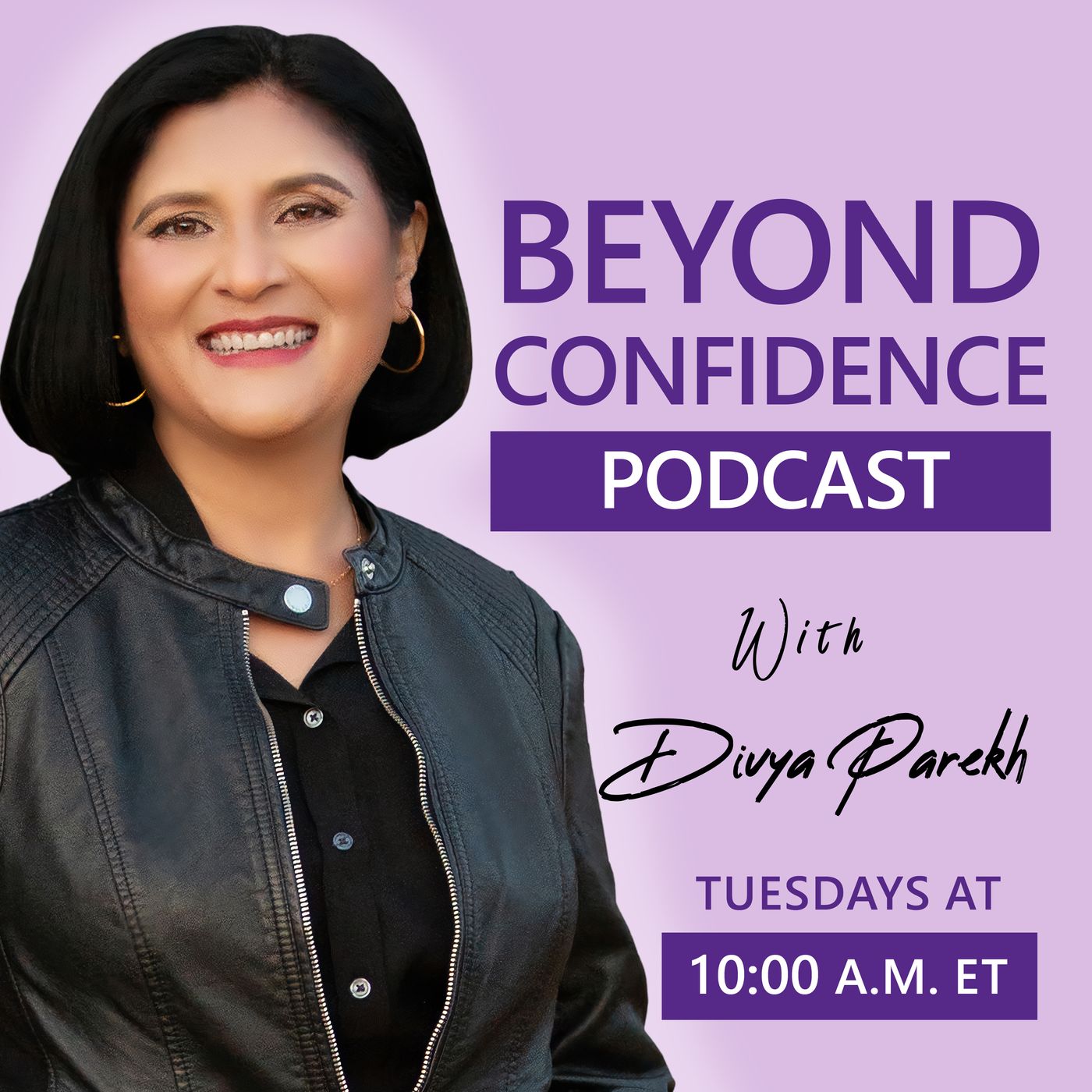
Beyond Confidence is broadcast live Tuesdays at 10AM ET on W4WN Radio - Women 4 Women Network (www.w4wn.com) part of Talk 4 Radio (www.talk4radio.com) on the Talk 4 Media Network (www.talk4media.com). Beyond Confidence TV Show is viewed on Talk 4 TV (www.talk4tv.com).
Beyond Confidence Podcast is also available on Talk 4 Media (www.talk4media.com), Talk 4 Podcasting (www.talk4podcasting.com), iHeartRadio, Amazon Music, Pandora, Spotify, Audible, and over 100 other podcast outlets.
Become a supporter of this podcast: https://www.spreaker.com/podcast/beyond-confidence--1885197/support.
0:00 The topics and opinions expressed on the following show are solely those of the hosts and their guests and not those of W four WN Radio. It's employees are affiliates. We make no recommendations or endorsement for radio show programs, services, or products mentioned on air or on our web. No liability, explicit or implied shall be extended to W four WN Radio It's employees or affiliates. Any questions or common should be directed to those show hosts. Thank you for choosing W four WN Radio. This is Beyond Confidence with your host w Park. Do you want to live a more fulfilling life? Do you want to live your legacy and achieve your personal, professional, and financial goals? Well? Coming up on dvparks Beyond Confidence, you will hear real stories of leaders, entrepreneurs, and achievers who have stepped into discomfort, shattered their status quo, and are living the life they want. You will learn how relationships are the key to achieving your aspirations and financial goals.
0:52 Moving your career business forward does not have to happen at the expense of your personal or family life or vice versa. Learn more at www dot divopork dot com and you can connect with div ants Contact Dants divpark dot com. This is beyond confidence and now here's your host, div Park. Good morning listeners, and there's so many things happening around the world today, it's it's important to kind of think about how can we build those empedthetic connections with people, and that's what we're going to be talking about. Welcome our wonderful guest, doctor Chantell Lareo.
1:34 Good morning Daria. How are you fantastic? How are you fine? Thank you glad to be here. Thank you absolutely so. Tell me if you recall a moment from your childhood or youth when a positive mark happened for you, like whether it was a person or a moment. Now, I think my grandmother was I was very close with her and growing up up. She she used to come visit us every weekend. We lived like an hour away, and she would she would stay in my room and we would just talk all night. And she was really a strong influence on me because she was a very strong woman. I think we learned so much from my grandparents.
2:14 She lived through the depression, she quit school so that she could help raise her other six siblings. You know, just amazing, and I think about the hard times that I've gone through, I always think about what she went through and what she was able to accomplish in her life, and I think that that always I carried that I carried with me everywhere. Yeah, that's that's powerful. So you had a very strong role model as you were going up and as you grew up. Did you have any other influences that influenced the choice of career you made. Yeah, my uncle. My uncle was a pediatrist as well.
2:57 You know, I really struggled with what I wanted to do specifically I wanted to you know, I knew I wanted something with the sciences, and I watched how he cared for the elderly and he was just so gentle and he meant so much to his patients. So I spent some time with him in his office and it was that connection that I saw him making with the patients. And it was something about pedietary that you actually do a lot of talking while you're doing your work, and I really like that, and I think that was probably what solidified for me that that was the specific field I wanted to go into. So then did you go into po dietary.
3:37 I did. I did so. I was a pediatress for thirty years, and toward the last ten of those years, I started focusing on coaching other physicians of all specialties in their communications style. I did a lot of training and I had a lot of coaching myself to help teach me how to do that, and that just became the thing that got me up in the morning. Wanted to work with other physicians and help them make those connections with their patients. And so many times what happens is that when we are talking about the corporate world, we think about the big organizations, and yet we'd kind of tend to overlook the whole health sector. It's hospitals over there. You know, so many times people especially er whether it's emergency room or whether it is any hospitals. They're already under so much pressure. I mean, our healthcare workers go through so much and yet for them it may be the next patient.
4:40 But for the patient, regardless wherever they are, especially with the physical or any other ailments they're coming in with, there is that whole mental aspect. So, especially with the busy healthcare professional and doctors, what is the false thing that you would say that they need to keep in mind. So I think, I think we have to just acknowledge the fact that there is a limited time. We're not going to get more time with our patients than what we feel we need. It's always going to be less than what we think. So we have to make that period of time. We have to focus on connection before we do anything else. And I say that very seriously, because if a patient doesn't trust you, then everything else you tell them may not be worth anything to them.
5:35 So you have to focus that time on building trust. And what I do is I teach how to do it very quickly, because you only have that small period of time. So teaching all healthcare professionals, not just physicians. I work with many healthcare professionals. I teach them how to make those moments count. Work on that initially, work on building trust immediately in your language, your nonverbal gestures, and then focus on the medical piece because now you've built some trust with them. So how let's say, and this can be applicable to any person. That's correct. And yes, it's one of the things that I've learned, especially in writing my book, I learned that more people were interested in this and just those in healthcare, and it's about how do you make a connection using your language, And the most powerful way to make connections is through intentional empathy. And what I mean by that is really taking their perspective and try to acknowledge whatever emotion you see happening, or you can assume is happening.
6:41 And I say assume, because it's okay to acknowledge that you don't necessarily know what's going on, but it seems like or it sounds like. And so that's the kind of language that I recommend. So for example, let's say you had tell me a complaint that you had, did you any complaint at all? Okay, so one complaint, well, I wouldn't. Well, let's say, if you kind of complaint is that so many times you know you're walking down the street. It's not even a complaint, it's more of an observation. People may not smile back, or people are so busy in their own lives, or another thing that I've seen, not only with clients, but within the family itself, that people are on phones together and not interacting as much.
7:32 I'm sure that's very disheartening for you. Somebody who who really feels strongly about those greetings and those connections with people. Well, no, you know, I believe to meet people where they're at, and the whole idea is that you do each his own and it's important to have that empathy and understanding that they may be busy or occupied in something else. Yeah, so you're able to look beyond what you say emotional intelligence, right, You're able to look beyond what you see. And when someone tells me something's going on with them, I try to understand what's going on with So I will say it sounds like you're going through this, and then I wait and have them tell me what's really going which you just did. So I said that must be disheartening for you. But then you said, well, actually, and then you showed me your emotional intelligence, so you kind of course corrected that for me. But because I made that gesture to say it sounds like that's what's going on with you, I'm connecting with you. I'm trying to know what's going on with you. And so even if I'm wrong, which I was, I was wrong, it wasn't disheartening for you, or maybe it was a little bit right.
8:44 Either way, it's that trying to do that that creates the connection, as opposed to I understand if you just tell someone I understand, it's kind of an assumption, and people tell to say no, you really don't, especially if they're up about something. You know, we always going to say I understand. I understand. That doesn't work very well with people because they get a little put out that you are assuming their emotions. So I try to say it sounds like or it must be, and at least that person knows that I'm trying to connect with them and know what's going on with them. So what about situations where people are just kind of meeting each other for the first time, How can you go ahead and develop that connection Because you're not always going to be in a position there, you're just kind of, like, you know, being there as a coach or consultant or as a leader checking in with the other person. It could be in a different setting. So what would be that full step exactly?
9:42 And I always say in healthcare, we have an advantage because people are coming in with a complaint no matter what, right when they first come in, we always have something we can focus on empathizing with. But remembering those nonverbal gestures Dyll Connergiy talked about these years back in the nineteen thirties, making eye contact therapeutic touch we call it in healthcare, we call it therapeutic touch. And knowing that sometimes a hand on the shoulder or shaking a hand, we do that for a reason because that creates a physical connection, and that of course also creates it works with your language and the nonverbal and the verbal connections together. Saying a really important thing again, this is a Dale Carnegie thing, was saying people's names back to them. If you're trying to create a connection, people love to hear their names. It says you care enough about me to say my name. And for those of you who have been in the situation where you've forgotten someone's name, it is so awkward when you forget someone's name because you recognize that. The awkwardness because you're not able to connect as much because you're not saying the name. So you say hey when someone just says hey to you, You're just not feeling it. It's kind of like when you say when you walk on the street or you tell someone hello. I remember in school we used to when we're changing classes. We were all seeing all or the people that we made, whether it's friends or acquaintances. We see all the other students and some would say hey, but some would say hi, Chantelle, and it was different.
11:12 It was different when someone said your name because they knew it number one and number two, they care enough to say it and make that little bit of a connection. So those are just the basics of making eye contact or therapeutic touch and saying someone's name back to them when you first, when you first are introduced to someone, when they say their name to you, say it immediately back to them. So Hi, this is Hi Chantell, this is this is Jerry, Hi, Jerry, nice to meet you. Saying the name back to them, because it just it's anything you can do in that first few seconds matters. M So what you're saying is and that is so true because sometimes you walk in a room and nobody has done anything to you. You look around, you take a look and you see someone and you either like, oh, that person is so wonderful and they have done nothing, and then it could be their body posture, their body language, and there could be someone you're like, hmm, you just don't like them, or it's like there's something about them.
12:16 That puts you off, So tell us about the body senses also that you talk about. Yeah, so you're right, some people just have that. We notice that with physicians too, Some of them just have it. You know, they could spend three minutes with the patient and their patients love them, and others could sit in there for forty minutes and they don't have that same connection. So there really are techniques that they're using, whether they're aware of them and doing them intentionally or if they're just natural. There are techniques that matter. So some of the other things are number one, sitting down versus standing up, and it depends on the social situation. But for example, you notice in podcasts we're sitting down. When I give a lecture, I stand up. But if I'm sitting, if I'm wanting to talk to you and make a connection, sitting down says I have time for you. And so we bring that up to our physicians too. You know, patients think that you're in a rush when you're standing up, So just that alone, sitting down matters. Leaning in versus leaning out, and there are times when it's appropriate to do either one. Now you think about that when you lean back a little bit, it kind of says, again, I have time, I'm relaxed. When you're really leaning in, when someone's telling you something that they're really upset about or they're emotional, leaning in says I really care and I'm here to help you. So you're making you know as you're doing these things. It's not like one is good or bad, but they send a message. So think about what message I'm sending. Probably one of the most
13:48 important techniques I tell people to pay attention to is their arms in their hands, because if you sit like this, the closed off it's a sense of strong message, a very negative strong message. It says I really don't have time for you. I don't care. I'm smarter than you. There was a whole lot of things people could pick up from this. Whether you mean to or not, this may be comfortable. I actually work with a physician that had his patient experience scores are very low, and no one could figure out why they called me because they said, you know, he's a really nice guy and we can't figure out what's going on. Why his score so low.
14:33 And I went in there and I said, you know, if I closed my eyes and listened to you, it's a beautiful conversation, Your communication is beautiful, but you're standing like this is the entire dog. And so his patients felt very put out by that, and that, you know, that was the That was the only difference that we made to help them with his connection. So just being aware of your body language, being having an open body language rather than a closed off body language. The other thing is, and this is something I learned from an attorney many years ago who helped train me for doing expert witnesses, is keeping your hands away from your mouth. So even like this are this, we do that, but actually that could show people that you're hiding something if you do that. If you talked about the language experts, they said that this can mean that you might be hiding something, you're not being truthful. So little things like that can matter. But again, hands and mouth. Just remember I think you kind of open, open stance.
15:30 Now since you're talking about that, you know that's in person. But even medicine, and of course so much organization, even though we're going back to hybrid, they're still on zoom since post pandemic. So what would you say, are some zoom medicants. So zoom medicits number one is paying attention to where your camera is, and it's difficult because the closer you are to the camera, the more you can see. So right now I'm looking at you, you can see I'm not looking at the camera. When I'm further away, it's a little bit easier because you know, there's a you know it sort of it blends when you're further away, so it's not as bad. But focusing on putting the person you're talking to up toward the camera really makes a difference. And then uh, remembering that when you're on zoom and you're talking to someone, you can connect with them equally without the empathic gestures, but your language is that much more important because you can't do touch, you can't do shaking your hands. You only have your language.
16:40 So you really have to focus on making sure you make empathic connections with people when you're just virtual. Because you don't have that, you lose a lot of a lot of the ability to do that, to make those nonverbal gestures. So then you talk about the bubble. Tell us a bit more about that. The bubble, and I talk about this in my book. It's that you know when you when you read the comic strips if you if you read them now or you remember reading them as a child. I remember how there's there's the regular, the regular circle, and then there's the one that has little bubbles underneath. Okay, the little bubbles underneath are what's in the back of their mind, right, their thoughts. They call it the bubble, the thing that's going on behind the scenes that you don't necessarily hear in the language, and so understanding what that thing is, the thing behind the thing is what we call it in coaching. I don't know if you've heard that expression, the thing behind the thing, getting people to be aware of what's really going on, what's behind that. And that's so in order to show empathy for someone, you really have to listen and use all your senses to understand, sometimes reading their facial expressions, hearing little words that they say when they repeat themselves. When someone says something more than once, that's something they're telling what's in their bubble.
17:59 It's because maybe you missed it the first time, and now they want to make sure that you know what's really going to own them. So I have several examples in my book about how that happens. But I will get I'll give one example of what finding the bubble we call it. We have to find the bubble. So, for example, someone comes in and says, I'm really distraught because this happened. Well, then they've just told you what their book was. That's easy. But then there's others that will say something like, for example, well I hurt my foot because I'm moving in the process of moving, and so you know it's I stumbled whatever, and it happened.
18:41 This thing happened. And then you start going on and asking them questions about the injury, and then they say again, well, I really can't stay off my foot because you know I'm moving now, you know this is the bubble. This is what you're missing. Why don't they mention that pice? There's something what you know? So it turns out their whole life is turned upside down because they're in the process. I'm moving right now. That's an important thing to talk with someone about, even though they're here for something for a foot injury, whatever it might be. That's the thing that they really need to let you know exactly, this is what's going on in my life right now. Now we can talk about this other thing. So listening for those little cues, and one of them is repeating themselves or saying it. You know, they repeat it. It's a little louder giving details. People don't say things for no reason, like oh, we just came back from a trip because my son graduated from Harvard with honors, you know, and then then you move on and say, oh, okay, we'll glad you're back. No. No, they want you to know that their son just graduated from Harvard with honors. So to say something like you must be so proud is acknowledging that emotion of pride. They didn't say that for no reason.
19:51 It wasn't about them coming back from a trip. They wanted you to know something they were proud about. And then, well, that is very true looking for the iceberg, right that what they say in the iceberg theory that what appears on the surface is way different and it is hiding behind it. There's usually like a meaning or underlying cause or something like that. So given that, especially what happens in the professional area so far, you know, we have been conditioned about hiding our emotions. So a lot of times, you know, people ask like, okay, you're talking about being transparent, being authentic. So when do you draw the line about, like you know, where you're sharing emotions and where you bring that balance to it.
20:47 Yeah, I appreciate that question because I have a hold chapter of hiding our emotions, because that's kind of what we were taught professionally, at least in my in my field, we're taught to hide our elations, right at least when things are really rough and you know, you don't want to judge people, and that's fair, you really don't. I mean, people are telling you some really some things you might judge them for, but we're taught not to do that. We have to be very even keel. And that's why when someone tells us something that they're upset about, if we maintain that hiding our emotions, we can come across as sterile. We can come across as we just don't care. And that's not the case. It's just a matter of teaching people when, like you said, how do you draw that line? And so that's why I kind of teach those empathic responses rather than you don't necessarily have to cry when someone cries, but acknowledging what they're going for them and saying this must be very difficult for you, or I can tell what this is doing to you till I can tell this is really upsetting you. That kind of thing. It doesn't mean that you have to carry those emotions with you. You know, there's something in medicine they call compassion fatigue. It turns out that that's a fallacy, that it really isn't compassion fatigue. And we found through the literature is that when you show compassion, you actually fill your cup too. When you take a minute to connect to someone, guess what happens, You fill your own cup. So it's okay to do that. It's okay to extend yourself a little bit. It doesn't mean
22:18 you have to absorb the emotion, but you can certainly acknowledge it and share that moment with the person. And that brings me to another point about compassion and empathy. I spend a lot of time teaching people to be impacted because it's not our default. And I don't just mean physicians, I mean as people. It is not our default. When people tell us something that's going on with them, about eighty percent of the time we respond with what's going on with ourselves? You know, yeah, I know, I've been through that whatever or what happens in medicine is we tend to respond with fixing. And so if you're in an industry where you fix people, you know, if you're say you're a plumber and you're going to fix things, you know, whatever it might be, where you're the one who gives advice, you help, then your initial response is going to be, well, let me see I can do something about that gives me really miss opportunities to make connections when you do that, And this is where I work the most with physicians on is before you get to that, let me fix, you show empathy. And fixing is compassion. It's a good thing you want to fix and you want to help them. But before you do that, make that empathic connection. The example of that, let's say you what to tell me, I was up all night in pain with my neck. Well, let's say you did like this. That was okay, you get the face, you get the hands. I was up all night in pain with my neck. That's my bubble, right, I was unmiserable.
23:52 And most physicians will respond with, well, give me a number on a scale of one to tennis. It's sharp adult, does it radiate down your arm, tell me more at the pain, and that's fine because they're they're being compassionate. They're working it up so they can then help the person diagnosed in treat But before they do that, if they say you must be exhausted, yeah, doc, I really am, Well, tell me more about that pain. How bad is it on a scale of one to ten? So I just have them insert one moment of connection mm hm. And you know, I tell them you can when you've when you've connected with someone, there's actually a response you will see, and it's fairly distinctive when you know you made a connection.
24:35 So if I say, if I say you must be you must be miserable, and you go, yeah, doc, I really am, it's sort of a little head tilt and an affirmation like yeah, when you see that. I always tell people pause after you an empathic response because you want to pause and see the connection. You wait and you see him do that. That's how you know you connected. They made that moment the kind of till they right, if you get me. Yeah. Now you talked about sounds like that was one of the phrases you mentioned that you know, it's a good one to use rather than I understand. Are there any other phrases that people can use.
25:16 It must be it must be difficult for you, must be seems like sounds like it must be, so. It must usually has a negative connotation. People don't, so tell me a little bit more about that and depth. Yeah, you're right. A lot of these things you have to think of them contextually, right, depending the situation, Like you must be so proud you know that, or that must be very disheartened, like I told you that must be very disheartening, and again I was wrong, and that happens. So you're taking a little bit of a chance by doing it. But it's okay because the person understands that you were just trying to know what's going through and then they can kind of correct you. I'll tell you what I do tell people to be careful about that is so underestimate someone's misery And what do you mean by that? As help always go to the superlative and don't underestimate? So what do I mean by that? If someone so for example, we use scales pain scale? Was there a scale the.
26:20 Doctor's offices nowadays? I go, like, you know, you don't even see the doctor, like you know, usually you have the assistant kind of come in and they'll they go through the whole process and they're saying like, okay, if you have a pain, here's the chart. And then they give you like all the smiley faces, like I've got this one doctor that I go to from like angry face to like crunch face, Like they'll kind of show you and tell you like when you fall off that scale. And it's funny because everybody's different, right, I mean, my eight might be someone else's three. You know, who knows? It doesn't more for a really to compare to last time? Right? Is it any better? But you know, if someone says my pain is a six, I'm not going to say, oh, it sounds like you're a little uncomfortable, because there's a good chance you're going to say, no, I'm miserable. So I always say, sounds miserable, okay, And it's okay for them to say, well, actually I'm pretty tough. Then you haven't insulted them or minimized their misiments, you know what I'm saying. So no matter what I always say, go to the So if I tell you I haven't eaten since yesterday, you don't want to say you must be a little hungry, you say, oh, you must be starving here.
27:33 You must be fair master, you know you want to really go to the superlative or haven't slept all night? You must be exhausted. Not you must be a little tired, you know what I mean. So, so making sure that that when you're doing your you're trying to guess what someone's going on with always kind of go to the superlative in most cases so that you don't insult them. Yeah, and as you mentioned that, at the end of the day, it kind of comes in, you know what you're sharing that techniques, and then people have to use their own emotional intelligence to see like what's appropriate in the given moment, contextual correct. I tell you, I always give homework when I give these when I give lectures or I give trainings for the physicians, and I tell them that their homework is to at the end of the day, if they live with someone, or even if they want to just make a phone call to a friend, but when they come home, ask them about their day. Because a lot of us are guilty of this, And when they tell you about their struggles instead of trying to fix them, which is what our default is our default is, well, you shouldn't let people talk to you like that, or next time, this is what you should do. You know, we wouldn't give them all the shitters, but to just say I'm sorry, I was really frustrating. Huh, And look for the little head tilt in the air and watch the connection that you've made with them and the difference that it feels when you listen to them and you acknowledge what they're going through. It's all the difference in the world in
29:04 a relationship. Trust is at the heart of every relationship. So making those connections to build trust really does matter no matter what the relationship, because doctor, patient or spousal relationship, whatever it might be. Absolutely and trust, as you mentioned, you know, that is at the core of anything because without trust and trust is so fragile that once it breaks, it's just kind of hard to rebuild. There's it's always going to be lined with the layer of mistrust somewhere. So that's that's a good point, you know, it's a good segue what happens. Let's say you have a fragmented relationship, how do you build that trust back?
29:45 So first you have to figure out what builds trusts. So everyone's a little bit different with what builds trust. We have our own history, we have our own background. So you know, if you were if you were damaged early on in life for a specific reason, as you know, someone cheated on you, whatever that might be, then that's probably going to be the thing that they look for that that person's going to look for for trusts. Whether it's building trust or or not trusting someone, it's going to be related to that. So understanding what what it is that breaks relationships for that person, understand what builds relationships for that person is very important. Or talked with large groups of people all go around the room and say what for you build trust? And you would be amazed at the different number of different answers that I get.
30:29 Most of the time it's they do what they say they're going to do. So for that person, you want to make sure that you always do what you say you're going to do, and you know, don't don't make promises that you know, well you're not sure you can keep make sure if I say this, I've got to do it, because that's what builds trust for that person. So you know, kind of figuring out what it is for some people's transparency, it's you know, making sure you open up to that person because they don't trust anyone that doesn't open up to them, you know that that kind of thing. So I don't think that it's I don't think there's out of line in most cases to ask people what you know, what do you builds trust? And if it's someone that you've broken their trust, would I would talk more about that with them? You know, yeah, about.
31:11 That that broke your trust? What else do you build trust? Because I'll learn it back and have a really long conversation about what do I need to do? Yeah? And it is it is like you said, what is it that I can do? You're not blaming the other person, you are not putting them under any pressure. What you're sharing is that you're coming with that intentional goes back to when we talked about intentional empathy, so it's also like intentional trust building. So as we talk about this, would you say, like, you know, when somebody is going out there to build that empathy connection, do you have any steps that people can immediately apply as they're listening to this.
32:00 Yeah, I think start with start with the non rubble, start with me that contacted saying their name. And I do think that touch is important. Of course, we always have to be careful who, when we why, and how we touch because it can be rude. So we're always careful about that, but in a professional and you know, us using your judgment on that on how to touch. But I think it's very important that we keep that in mind, that that builds a connection for people. Maybe sometimes you stay hand on the shoulder, whatever, it's a safe place to touch, and then look for a way to show empathy. So we kind of talked about it. I was saying that in healthcare we have easy because because people are coming in with the complaint, but you'll be surprised at how you can connect with someone over little things like you know, I had a hard time finding a place to part because I had to go up three I had to go up three levels of how frustrating, huh. You know, just just something like that.
33:03 Look for that opportunity, find out their bubble, which very often they just come out and say. Sometimes you have to read their faces. Sometimes you have to read their emotions or their mannerisms, and then look for opportunities to do that, because that matters. That builds that connection. Helping them doesn't necessarily do that, believe it or not. It's a different kind of relationship. So again with you know, healthcare, we're helpers, right, We're going to fix things for people. It tends to have an upward relationship. I look up to you because you took care of me, you know, And that's okay, that's, you know, a good relationship to take care of me. But if I if I'll trust you to take care of me. But if I want to trust you as a person, as a as a friend, as a colleague, as just person to person, you really need to do the empathy. You need to look for something in emotion that they're feeling. I'll tell you the most positive way to do it, without even saying it must be is to read their face. You look quite happy today, you look very pleasant today. It's great to see you look very pleasant today, that you can see the reaction in someone's face once they read their face.
34:20 And again, you can be wrong, and that's okay as long as you don't say you look like a grow up today. But you can't say it looks like something's bothering you, it looks like struggling to say you're okay, and people really appreciate that you took the time to look at those subtleties of their face to make that connection. Yeah, and what you're driving ad is that don't go for absolutes. Looks like it sounds like. So there's always a very clear demorocation in there that you're not assuming, You're not making any definitive statement, You are just kind of being curious and checking in. So that's very powerful.
35:06 So if you want to share one thing with the listeners and with our audience that they could implement strade away, what might that be? I would say the homework that I mentioned. If you try that once with the person at home and you see the reaction that you get, then start looking for opportunities to use that throughout your day in your conversations, to connect with everybody, even in an elevator talking with someone and watch the reaction, you know, saying things like that, looks like you're having a good day today because you see them smiling, you know, And watch the reaction that people give you, and you'll see that it does make a difference, not only for them but for you. Remember, when you connect with someone else, you kind of fill your own cup, and you know that's a good thing that you feel that the connection both ways. Again, a whole chapter on that, that feeling it both ways, what it does for you. And one of the things that from a medical standpoint, I talk about when we were in Hurricane Katrina and we were all scattered across the state and other states. I felt that while patients were in fear from this and their doctor, as a physician, I felt this emptiness of my patients. I couldn't get to my patients. I think it was all with my patients.
36:32 It is a two way street, you know, this relationship for two way street. So when we're talking about making these attempts to connect with people, it's not just something for them, it's something for your relationship for both of you. Absolutely, And I've been fortunate to have a couple of doctors in my life. You know that I've been seeing for like gosh, thirteen fourteen years and have such a good relationship that usually even though I might be or something, I look forward to seeing them. And then that talks about the connection. So tell us some more about your book and tell us how people can connect with you. And I would like to share sure.
37:15 So I started this work when I was working on Auctra Health System back in twenty eighteen something like that. I worked there for twelve years and I became their medical director of Patient Experience. And some physicians do this kind of work, and so I was discovering all these little little things. And I have a whole lot more tips in there too. I have my top ten Golden Rules of empathy. You know, a lot of little things, some of the things we've talked about, but all those were derived from that work that I did with for ten years, watching that relationship with the physician and the patient and coaching them, giving them feedback. And like I said, afterwards, I realized that this was something that we could be doing at home, and other people were interested in too.
38:05 So I decided to publish the book on it. And I've been working on it just very slowly, over a course of like four years. Just when things will come to mind, I would put it down, and so I finally I finally said, I'm gonna put it all together. I've got an editor and put it into print and you know Amazon. Now it's available on Amazon. I also have a website my book. Some of me just really clarify too. It's called I Get You, I Got you, And the difference there, I get you is what we've been talking about empathy. I get you, I got you. That a different relationship. The compassion's helping someone. I got you.
38:46 I'm taking care of you, and it's a little bit different. It's a good relationship. But if you skip that I get you, you don't make the connection. So that's why I put it in there, I get you. I Got you the secret to creating an impactic connection with every patient every time. But it's a very easy to read. Anyone even out of healthcare will enjoy it, and they've told me that they really enjoy reading it even though they're not he I do have a website. It's my full name without spaces after chantellelurio dot com. And yeah, oh, I see you have a scroll in there. Thank you very much. So, yeah you can. That has a link to the Amazon site to buy it.
39:27 Yeah, well, thank you Chantell for sharing your thoughts and your experiences. And the way I experience things is you know, it's so beautiful to have these conversations because I'm moarning while I'm sharing the wisdom of so many years that you bring with our audience. So thank you for joining us. Thank you Avia, I appreciate it. I've enjoyed it very much, absolutely, and thank you wonderful audience because without you, the show would not be possible. And I want to wish you a very happy New Year and want to leave you with one thing to keep in mind. Remember you don't want just destination goals.
40:14 You want on goals that are approachable and that leave room for failure. So definitely reach out to us. Let us know how we can support you in twenty twenty stakes to make it your best year ever yet. And thank you on a tech Genius for making the show possible. Be well and take care. Thank you for being part of Beyond Confidence. With your host d V Park, we hope you have learned more about how to start living the life you want. Each week on Beyond Confidence, you hear stories of real people who have experienced growth by overcoming their fears and building meaningful relationships. During Beyond Confidence, v Park shares what happened to her when she stepped out of her comfort zone to work directly with people across the globe. She not only coaches people how to form hard connections, but also transform relationships to mutually beneficial partnerships as they strive to live the life they want. If you are ready to live the life you want and leverage your strengths, learn more at www dotwpark dot com and you can connect with vat contact at dvpark dot com. We look forward to you joining us next week.


