
Women Can Fly
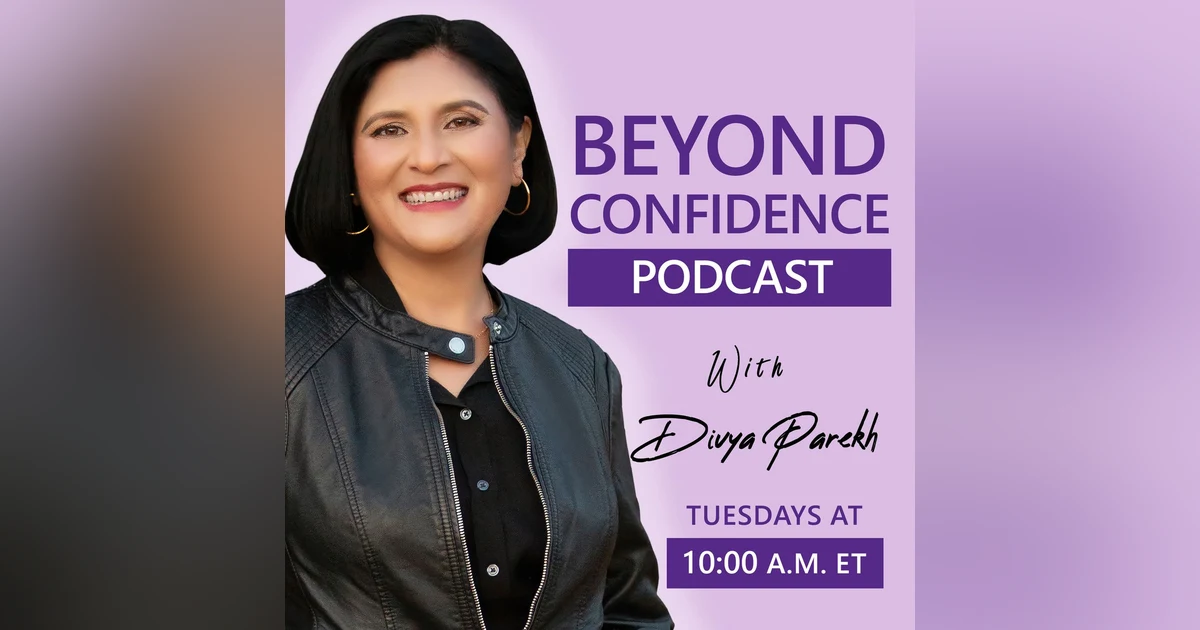

Join Divya Parekh and Graciela Tiscareño-SatoApril to discover how women can get started on an aviation pathway, whether it is military or commercial planes. You will learn what it’s like to serve and fly globally. You'll also hear how you can...
 iHeartRadio iHeartRadio
 Spotify Spotify
 Youtube Music Youtube Music
 Amazon Music Amazon Music
 Apple Podcasts Apple Podcasts
 Pandora Pandora
 Audible Audible
 Podchaser Podchaser
 Audacy Audacy
 Spreaker Spreaker
 Deezer Deezer
 Podcast Addict Podcast Addict
 JioSaavn JioSaavn
 TuneIn TuneIn
 Castbox Castbox
 Castamatic Castamatic
 Castro Castro
 Fountain Fountain
 Goodpods Goodpods
 Overcast Overcast
 PlayerFM PlayerFM
 PocketCasts PocketCasts
 Podimo Podimo
 Podurama Podurama
 Podverse Podverse
 Podyssey Podyssey
 RSS Feed RSS Feed
 YouTube YouTube iHeartRadio iHeartRadio Spotify Spotify Youtube Music Youtube Music Amazon Music Amazon Music Apple Podcasts Apple Podcasts Pandora Pandora Audible Audible Podchaser Podchaser Audacy Audacy Spreaker Spreaker Deezer Deezer Podcast Addict Podcast Addict JioSaavn JioSaavn TuneIn TuneIn Castbox Castbox Castamatic Castamatic Castro Castro Fountain Fountain Goodpods Goodpods Overcast Overcast PlayerFM PlayerFM PocketCasts PocketCasts Podimo Podimo Podurama Podurama Podverse Podverse Podyssey Podyssey RSS Feed RSS Feed YouTube YouTube
Join Divya Parekh and Graciela Tiscareño-SatoApril to discover how women can get started on an aviation pathway, whether it is military or commercial planes. You will learn what it’s like to serve and fly globally. You'll also hear how you can transition your careers from Dr. Thandi Myeni as 911 inspired her to leave a candy company to become an Eye Surgeon and help thousands of People Get Better Vision
Click this link to learn more https://success.divyaparekh.com/unfairadvantage/
Beyond Confidence is broadcast live Tuesdays at 10AM ET.
Beyond Confidence TV Show is viewed on Talk 4 TV (www.talk4tv.com).
Beyond Confidence Radio Show is broadcast on W4WN Radio - Women 4 Women Network (www.w4wn.com) part of Talk 4 Radio (www.talk4radio.com) on the Talk 4 Media Network (www.talk4media.com).
Beyond Confidence Podcast is also available on Talk 4 Podcasting (www.talk4podcasting.com), iHeartRadio, Amazon Music, Pandora, Spotify, Audible, and over 100 other podcast outlets.
0:00 The topics and opinions expressed on the following show are solely those of the hosts and their guests, and not those of W FOURWN Radio It's employees or affiliates. We make no recommendations or endorsement for radio show programs, services, or products mentioned on air or on our web. No liability, explicit or implied shall be extended to W FOURWN Radio It's employees or affiliates. Any questions or comments should be directed to those show hosts. Thank you for choosing W FOURWN Radio. This is Beyond Confidence with your host Dvapark, Do you want to live a more fulfilling life? Do you want to live your legacy and achieve your personal, professional, and financial goals? Well? Coming up on Dvaparnks Beyond Confidence, you will hear real stories of leaders, entrepreneurs, and achievers who have stepped into discomfort, shanner their status quo, and are living the life they want. You will learn how relationships are the key to achieving your aspirations and financial goals. Moving your career business forward does not have to happen at the expense of your personal or family life, or vice versa. Learn more at www Have you done divaparnk dot com and you can connect with div d contact at divapark dot com. This is beyond confidence and now here's your host a park. Good morning listeners. It's Tuesday morning and I'm thrilled to be here with y'all. So what I want to share is that it's been an amazing ride with y'all. And I want to share a story about a global entrepreneur that we helped in an African country. We help them get a
1:34 loan for their fertilizer and lo and behold just hold back today from Kiva Kiva dot org that whole town has become self dependent. And think about it, you do me think like, ah, you know, we're buying a book and partial profits from this book are going to help someone. Every little bit it matters. It's almost think about it. You know, when drops come together, it can form an ocean. So thank you, thank you, thank you for buying our books because it works three ways. Not only it helps you, it helps me because we are making an impact together, and it helps an entrepreneur across the globe somewhere in little former shape. So if you have not gotten our copy, please get either one of the copies either the Entrepreneur Garden or Expert to Influencer, because those books will change your life.
2:38 I've poured my heart and soul into them and they will help you become the best entrepreneur that's out there, or even if you're not an entrepreneur, it will help you develop an entrepreneurial mindset and become an influencer. That's a rising tide that lifts all boats. It's not just about the likes and follows, It's about impacting people. And I want to invite you to take an hour of your time every month and help somebody with no strings attached. And when you do that, you're starting that cycle of kindness. You'll never know that somebody will pass it on to someone else. So find that time, whether it is ten minutes somewhere or five minutes on a day, spread it out on that thirty days during a month, and you'll find that you'll be able to help someone. So let's invite our guests in welcome, Doctor T and Captain Mamma. How are you all doing today? Wonderful? Thank you so much for having us on. I'm so happy that I get to be with Captain Mama again. Oh thank you. Also, yeah, thank you, thank you. We met at the summit and we spent quite a bit of time on the phone after. So this is wonderful of you to think
4:08 of this pairing. Very grateful. Thank you, absolutely so. We usually start out with a question from childhood when you were a little girl, is there a moment or a person that left a mark on you and that you remember even today? What about your doctor? T ah, you asked. I didn't realize you asked different questions each time about childhood. Let me think about that a person. When I think about my childhood, I was I was born in New York City to an immigrant mom and an unmarried immigrant mom, so it's just the two of us. We had a very small family, but my paternal grandmother was my only living grand parent at the time.
4:57 And when I think about my childhood, I think of all the love and nurturing that she would do, and all the good food that she would make. She would make bana bread and make apple pie. And I said, I still do. I still love putting whipped cream on my hand and eating it. And so when I go to her house, there was always ample cream. So I just still loved and nurturing and good food from my grandmother, and that the one that's one of my favorite people from my childhood. M what about you, Grassiello. I'm having an entrepreneurial memory of my father.
5:38 And what happened was we wanted to like sell candy in our neighborhood. Like we had this idea that you know, not everybody has parents that take them out for dinner or you know, doing things like this and then stop by the candy store. So we thought, wouldn't it be fun if we had our own candy store in the neighborhood and we could sell candy. And so my father supported this idea that I had actually built a little candy store for us, like we've seen like those Lukey cartoons to eliminate sands and eliminate flight stands. Ufy right. It was like that. It was probably times wider, like two people could fit. We had actual candy inventory. And so I have this memory of a supportive father of constructing our candy store because we were in a brand new neighborhood and other houses are being constructed, so there's like piles of lumber that we could use, and so I think that's it. It's like being encouraged to do something different, to actually build it.
6:42 And then of course we were like the hub of the neighborhood once we started selling candy, and then we also to buy candy for like two cents and sell it for a nickel. Everybody's so happy that they could get their candy right there. So that's what I thought of when you asked that question, is what that was like to have that support for my father. He passed, remember twenty twenty. So I think that's why I thought of him immediately. And when my mom hears this, she'll be like, again, you're talking about your dad. But they were both very supportive. But the memory is of that support with my dad, with the little candy store. So yeah, it was six days of lung cancer to death. It was very fast, it was he was very shocking, but he didn't suffer much at all. So that's the good news. Yeah, so it never ceases stone over school. How when we grow up a loose sight of what's important in life. And the reason I ask this question is it illustrates that we don't remember expensive gifts. I've never had been through hundreds of episodes of Neverhood of guests say that oh, you know, this fantastic toy or anything like that. Those are the memories of love and orchering and support. So it's so important that we bring back the vision of what's important in life. So Gracie, tell me, as you grew where did your life take you.
8:15 I grew up in Colorado, That's where all of this took place. And it was a kind of a neighborhood of tract home, you know, just house house, house, house house, as they do, brand new school. So that was great. And as I grew up and I started having friends. In high school, I was on the volleyball team, the basketball team, and I played soccer as in a marching band. So I got really into the student activities, like it's very athletic, and I started hanging out with people who did not live in my neighborhood, which of course then starts informing your worldview of other people lived differently, right, And what I remember very well by age fifteen, I remember I'd met a lot of friends on the volleyball team, for example, who had college educated parents. My parents were both from Mexico, so immigrant family, just like doctor Dandy, and so we didn't have anybody in my neighborhood who had been to college or knew anything about college, or we talked about Attorney University. So hanging out with my friends, I started getting this idea that, well, if I want to go to Austria like Claudia in this summer, or Paris like Banjie, then I need to become a college educated woman if I want to see the world. So I remember that so clearly, and that was my only guide post that took me on to the rest of my life. But it was that that mix of being on musical people and being with the yearbook people
9:48 and the different teams, that diversity of experience I was having, This started opening my mind to what else could be for me beyond high school. So that's how I want to answer your question. And it was just like this intentional looking of what's possible outside my block. Absolutely, and it's always hard because you know, we grow up the curent perspectives and as we get exposed to different people, we start developing new perspectives and it's so important to have those perspectives. And doctor T being a child of single mom, I'm sure you had a very strong presence of female leadership in your life. How did you get to the medical field. It was a circuitous round. My my mom was when I was born. My mom was a student. I'm always have been so proud of my mom. She Actually both of my parents were from Southern Africa, and they both were granted scholarships to study in the United States because they were just that smart. And my mom went on to get her PhD. She was one of the first women in her country, her small country at Swadini in Southern Africa, to get a PhD in educational psychology.
11:22 And my dad, on the other hand, went on to become a medical doctor. And so I guess as the hybrid of the two of them, I became very interested both in psychology and also in medicine. When I was in high school, over the summers, I would work in my dad's office essentially as a medical assistant. I would do EKG some people and check their blood pressure. And I just got a chance to see my dad at work and see how he was able to help people, and that may be interested. But I was also interested in a lot of other things, which I still am, and so when I went to college, I wasn't sure what I wanted to do. And I ended up doing a which if there's any of your listeners who have college age kids or are in college themselves, you can just what you're doing. College doesn't have to define what you do for the rest of your life. So, because I wasn't sure, I ended up doing a what's called a post baccalaureate PREMIM program where I did all of my requirements for medical school after I had graduated from college. But then even then I still didn't go to medical school. After that, I ended up working at a at a job, and I was making money and I
12:54 was living life and having fun and the idea of going back to go of like whatever. But then eleven happened and I had a quarter life crisis, and it was one of those moments where it was like, what am I doing with my life? Is this what I want to be doing for the rest of my life? And that's time. I had a great job. I was working for a candy company. I literally had enough candy in my life to bring candy to all one hundred and eighty of my medical school classmates. So but it was a great company. But I decepted that. On ninety eleven, I decided by the next year, I would either be in medicool or I would be doing something in the pharmaceutical industry. And I and by the next year I was enrolled in medical school. So that's how I got to medical school. And how did you decide? I know, there's so many different fields there. You can go in medicine. You can go to being an AA doctor, or you can be a physietrist, or you can be an eye surgeon rich you are, and you can be a cardiologist.
14:11 How did you pick your niche? So I have always been passionate about women, women's empowerment, women's health. So I just knew that when I went to medical school, I was going to do ob G i N, which is abstetrics think an ecology. I was the student leader of the ob G i N student interest group. I was all in with ob G i N. But as life sometimes happened, sometimes things happen that I don't always expect. And for the first time in my life, a couple of things happened. For the first time in my life, I needed to wear glasses and that was the first time that I really thought on a personal level about the importance of sight. And then another thing happened. I had this teacher who was amazing. She was just one of the most amazing people that I had ever met, and she was an optimologist and everybody loves her. And ironically now she's not even practicing optimology seas an artist, but at the time she was an optimologist and I saw she was so cool, and I loved the work that she was doing. And then the third thing that happened is that I saw a patient get lasic eye surgery, and in less than ten minutes, this person went from not being able to see the alarm clock when they woke up to being able to see. And I have never seen anybody seem happier in my life. And when I saw how happy that person was,
15:43 I said, I want to be a part of that. So I pivoted. Which the wonderful thing about life is that no matter where we are, no matter what direction that we are headed in, we can always make a decision to pivot and making the best out of it. So what I'm hearing is that it's so important to be flexible. As you had mentioned, your life took a lot of different journeys to get to where you are at, and it's being open that okay, something you may show up, rather than getting fixated on one idea. When you are open to different things and different possibilities, you can create your own opportunities. And graci Ala, I know you did not have any exposure to aviation. How did you end up in aviation industry and that to in military? Yeah? Well yeah, I was gonna say, oh my goodness, can I please piggyback on this pivoting idea because that is the story, you know. After looking around and saying, well, I want to be a college educated person, I started asking, well, how can I be a college educated person? As oldest of five kids born in Mexican immigrants, And so I went to my high school counselor and she was saying and she had an idea. She said, come to my house for dinner, meet my husband and he will tell you what he did. Because her husband had left Appalachia, he had eight siblings.
17:11 I only had four, and come learn what Wendell did. So that is how I learned about the Air Force Reserve Officer Training Corps scholarship to go to college. And because of this mentoring, I got a scholarship paid for by the Air Force basically for four years to go to Berkeley, and then my counselor helped me apply to Berkeley. I'm not in California at the time. I'm in Colorado, so this is a whole crazy journey. And why Berkeley because I had the number one architecture school and I knew that's what I wanted to study architecture Air Force. But the Air Force said, yes, here's a scholarship in architecture. I'm awesome. I guess they have architects in the Air Force, but they don't they Two years later, when I'm already already committed to serve for four years, that's when the Air Force takes us in the summer after our second year to learn different careers, meet different officers, doing different things. And that's when I learned that there were no architects in the Airforce and I would be filling potholes in the civil engineering squadron. I would be like pouring as fault to fill potholes on the base. And I was very sad, but I'm still committed for four years because I have the scholarship. So then the very next day began my pivot. They took us to a pilot training base in Arizona, and I got a flight with a lady captain who was a flight instructor, Captain Delsa, Dolly Delisa, And we went up and it was one hundred and three in July and Phoenix, and we had the oxygen on our face and we're flying and going upside down
18:44 and she teached me to roll and I'm having the best time ever. Keep in mind, this is my second time on an airplane. The first time was the flight to get to the base, and the second time is in this aerobatic military jet trainer. So I'm having an amazing time flying and just eleven it is like better than roller coaster. So we land and Captain Delisa says, you know, you're the first person I took flying today who did not throw up. She says, you know a lot of these guys coming they think they're going to be firepuds, but just you know, one time in a hot plane and they start questioning that you know you could overcome your airsickness. That's okay, you had a great time. This is something you can do, she said. And I'm like, well, but I have a scholarship in architecture. I got to go do civil engineering. I'm like saying all these ridiculous things. She goes, no, no, no, stop, Cadet stop, this is the Air Force. You have a scholarship.
19:36 Go back and tell the staff you want to fly. And so that's how it happened. It was this opportunity and saying yes to the opportunity, like to take the orientation fly. Not everybody did, but I was curious and so I went for it. And then here she is mentoring me in the little five minute taxi back. But it was the pivotal moment that told me that I could go fly, which had ever happened in the two years prior, because I didn't have my eye in the sky. I didn't have my eye on flying. I was architecture, civil engineering. But that's how it happened. It was a moment and I was like, well, I don't really want to go to civil engineering anyway. So that's how it happened. And then I just followed the process, you know, to apply and then get selected. And the Air Force chooses pilots, navigators and other rated officers to go train to get wings. And I was selected for the most mathematically challenging to be an Air Force navigator and that's where I got trained, and that was a full year training after graduating from Berkeley. Well, Graciella, what a story saying yes to yourself, saying yes to curiosity. And when you did that, it opened up doors that you didn't even think about it. And I want to thank you for your service because you are our heroes and heroes, so thank you for your service. So tell us as you continue your journey. They didn't take you. So at the end of the training, which I was the only woman in a class of thirty two
21:07 that started and twenty four that graduate, because there was always this electrician. After that journey, I selected the Casey one thirty five aerial refueling pinker. So that's what you see here in my virtual background. You see an airplane getting refueled in the sky and it's an F one seventeen Stealth Fighter. That was one of my favorite planes to refuel. But yeah, we refuel in the sky. We're a flying gas station. So immediately where it took me was getting stationed up in Washington State, getting fully qualified with my crew and getting ready to deploy. And then immediately I found myself in Saudi Arabia at the tail end of the Gulf War when we started patrolling the southern skies of Iraq, the operation Southern Watch is that they called it. And quick story about that. I was one of the first four crews in country and we flew one, two, three, four sorties a day, all combat air operations over Baghdad on the south to Baghdad. And this is when Saddam Hussein was actually using his aircraft to basically commit genocide against his own people. So we were there really to stop him from flying his aircraft, and it was it was hostile and we got chased by the Russian MiGs that he had every day. And so every day we were flying combat air operations. And keep in mind, I'm a baby lieutenant, like this is my first deployment.
22:33 I'm like this baby lieutenant over there. And of the first four crews, each tanker, each case they won thirty five has four people. And of the four crews that sixteen air crew, I was the only woman there. All the other crews were all male. My crew was three guys in me and that matters because at the after we fly I think twenty five or thirty sorties, the Colonel nominated all of us for a metal, which is like a big deal and necessary for promotion kind of thing. And so we got nominated because we already had like thirty or forty sorties. And what happened was the Pentagon shipped back three packages with four medals each and a letter to our crew addressed to my aircraft commander that we could not receive an air metal because there was a female on the crew. And this was fifteen months before the law changed, so I wasn't even supposed to be over there. Oops, but they needed me and I was there, and so we did not get recognized with an air metal. And while we were there, and when the law changed, the Pentagon sat on it for a while, and eventually they kind of mailed our air medals to us back to our base and I finally got my air metal. And I actually learned during the pandemic. Thank you.
23:52 It's a weird story, baby, Lieutenant. First employment, I learned that I'm actually the first Latina Air Force aviator to you ever earn in their metal. Somebody asked the question as who is their booking, right, So it's kind of a little weird footnote, But I'm very proud of that. I went back to Saudi Arabia three or four times more after that, but nothing, nothing was like that first appointment. That's just one of the places. It took me in went probably twenty seven other countries to do other really cool missions, but it was always refueling and taking cargo and people. So it's good. Ten years. Well, I gotta tell you again, thank you for your services. And how powerful is that that women can fly?
24:37 And folks, we're not literally just talking here about literally flying, I'm talking about soaring in your lives and taking those chances because look at these two power women. We have got two powerhouses today. They have blazed those trails for themselves, finding their paths where they could create their own destiny and manifest what they wanted their opportunities. So what a wonderful story, Graciela. And I'm sure doctor t as you traveled in your life journey like as an eye surgeon, tell us how did you feel as a woman going through And I know they're in comparison to aviation, there are more women in medical history, but how what was it like? And did you face any challenges? Yeah?
25:33 I do, I there is any sake that we expect women to work like they don't have children and mother like they don't have a job right. And now in recent years of just within the last twenty years, for the first time, we more female applicants apply to medical or get accepted into medical school than male applicants. And similarly, just in even more recent years than that, we've had more female optimologists get accepted into optimology training. So what that means is that we have a lot more younger female optimologists, but the people that have been there for for the longest are still majority men. And still even in today's world, a female ophthalmologist gets paid seventy five cents to the dollar that every male optimologist gets paid, and that's for doing the exact name work. So that's that's one challenge, really learning to under understand my worth and negotiate for my worth. Another challenge is trying to juggle I have two
27:10 beautiful little daughters, so trying to juggle motherhood and with employers who don't they can't relate to I have to be at daycare by six o'clock or um. They're going to call the police to come get my daughter because they had wives who were taking care of the child's rearing for their family, so there's a whole. And then then that's then I'm looked at as having a poor work ethic, right because I'm not staying later or and because i have boundaries around what I can do because I have a family and I have little people to raise. So that's um been a child. And then even just with the biases that the public has about what a doctor is supposed to look like, what a surgeon is supposed to look like. Even the other week, I had to I work in an office and there's a male there's a male doctor and me, and I've heard because I can hear the front desk, and I've heard patients day that I've never seen by the way they're saying, I don't want to see that the girl doctor. I just want to see the man. It's it's fascinating that the can see things like that. And I
28:47 know that you're also serving as a military officer, can you also tell about that? And then when you throw that and it just makes things work. But again, and one of the things that I'm learning in life is this idea of a flow versus force, And if you have a river, if you flow. If you just float down the river. They say, there's no such thing as straight lines in in nature. Every there's there's always bends. And so if you flow, if you just lie on your back and flow with the river, the river will take you downstream. Right. But if you try to draw a line between this point on the river and then downstream on the river, and you try to take the shortest point, that's going to require you to dig a hole. It's going to require you to do all kinds of acrobatics to do that same to do that same thing that if you just relax and flow went with the flow, you would get to the same point. And so that's one of the lessons that I have learned and part of my flow that came and a few things had happened I had.
30:04 I was I did my residency, my optimology training at Howard University Hospital in Washington, d C. And as part of our training, we would rotate at the it's now known as well Teride. At that time it was as the nables would we would rotate there and we would take care of the soldiers. And that was my first experience with the reality of war. It is one thing to watch the news and here, Okay, five soldiers killed, two hundred injured. It is a different experience to be in the room where you see a twenty one year old boy or man with his leg blown off and his mother crying on the in the chair on the side. That just it just changed my whole perspective of what the real personal impact of war is on many families. And I wanted to be a lot of people that end up joining A lot some people joined the military because of a legacy and desire to serve, but a lot of people joined the military because that's the only choice that they have, that's the own that's their way out of a difficult situation. And I wanted to be a part of serving that community.
31:30 And then another thing that seems like totally random happened. I was staying in the sky and he was kind of a jerk. He broke up with me. He was moving, he was relocating to Houston, Texas, and I was supposed to help him pick out a house. But by the time we broke up, I still had my ticket. I couldn't change my ticket, so I who ended up stranded in Houston right orb But at the time I was really into Joel Oastein. I was watching Joel Ostein the Preacher who has a huge church in Houston all all the time, and so I said to myself, well, you know what, if I'm stranded in Houston, might as well go to his church. Yeah. I took myself down to lake Wood Church that names church and at Beach after the service. If you're new and you want to meet him. Now, his church isn't a it's like a football stadium. It's a huge, humongous but if you want to meet him, you can go wait in a line to meet him, and the line is really long. It's really long because a lot of them are So I'm standing in the line and I am a Chatti hathy. It turns out I am standing next to a military recruiter and his wife and I ended up
33:00 having this long conversation about all the benefits and the great things about joining the military, and by the end of the conversation I got to meet Jolos, which is cool. But then I became really excited about exploring joining the the military, and I explore the different branches, and the Army was the one that made sense. So two days before my birthday in two thousand and eight, I joined to the United States Army. Well, thank you for your services. How fortunate we are to have two of our childs over here.
33:43 What a story and what a joaney. And here's the thing, this is such a great example for women. Yes, you can store in life, you can create opportunities, you can go, but nobody has gone before. And think about it, just a simple visit to a church and a change the trajectory of your life. So be curious, be open. So Graciela, as you kind of moved through your life, tell us very all right now and what's happening. Yeah, So the trajectory from the airplane changed radically, as things do in life for women like us who like change. I decided I was right before my major's board, so I think I was about six months away from a major, so that would be the fourth rank.
34:44 I was looking ahead and if I got selected to be a major, They're going to move me to an Air Force base in Illinois to headquarters to do planning and basically desk stuff. And I was like, no, I don't want that because I I'm in the Air Force to fly. I've already stayed beyond my commitment. So now I really like I have the power to decide to stay, to make major, to go do the staff things that they do, and then Pentagon blah blah blah, or I can say this was great, thank you for the college scholarship. I stayed a year and a half beyond my commitment. Love the flying, and I'm going to go do something else, and that's what I did. So preparing for that transition, I finished my master's degree in International and Business Management marketing to pivot into technology and I really wanted to work in Silicon Valley. So with the new credential of a master's degree paid for by the way by association American Association of University Women. So for all women and all parents with daughters, please know there's this awesome organization that's one hundred years old that funds the education of women from all over the world. Okay, they're big office in DC. So AAUW funded it became a few and they funded my as a career development grant.
36:02 So it's like a grant to transition. So I finished that while I was on active duty in flying and deploying. So it's kind of hard to get everything done while coming and going. But that opened the door now for me to explore a new career. The problem was persuading people to interview me for a technology marketing job when I'm coming out of a military carrier plane. So I got to practice the art of informational interviews, of intriguing people, of marketing my relevant skills going forward. And I had a big community, including women veterans, who helped me. So I popped over to Silicon Valley.
36:49 I got my personal network from Berkeley hooked me up with an interview. A saxophone player from the Marching Band, in fact, somebody had been in the band with interviewed me. And I got hired by ZS, the German company to work in San Jose, and so I got to do this crazy transition. So this is why I believe that we can just keep reinventing ourselves. This is why I believe that any career you want can be yours. You just have to plan for it, and then you know, really have that professional network to open doors for you. And then you have to just keep asking that how can I question that got me into college in the first place, on the scholarship, how can I work at Silicon Valley. How can I become a marketing manager? How can I break into tech? So I did that, and then after ten years of marketing, launching products, briefing media, briefing executives in English and Espanol because I'm bilingual, there was a layoff. Okay, so I got to do that and really get a solid foundation of business skills. And then there was a sudden layoff. And remember the two thousand and eight two thousand and nine time period, so when all the layoffs happened, they actually closed this office and moved everybody into remote offices the German headquarters did during the recession. So then I was like, okay, I get to do a new thing now. And I'd already been doing a lot of writing and public speaking, you know, kind of on the side, and so I very very quickly decided this is the moment where I
38:20 want to have my own business, and so I started Gracefully Global Group. I know, right, I wasn't planned to do it at that moment, but that's how it happened. And I started Gracefully Global Group, which is a independent publishing and marketing communications company. I started it then and I just kept doing marketing work for people. But then very quickly I began to do the publishing that I wanted to do, not only with the trade journals and all the articles I was doing as a freelancer, but now I actually got entered by a publisher in San Francisco on how to become a publisher after she published my book. So it was really a big moment of switching over to the creative work to create the company. And it happened because of that layoff.
39:05 So is that opportunity that presented itself. Congratulations, what an achievement. Thank you, And we just celebrated twelve years last fall. We have published through like eleven esbns now and the I chose this virtual background because of your theme of women comply that unusual story that I told you about flying for the Air Force. There one more one day, but that's not as interesting to me as inspiring lots of children in English and Spanish, and so this is my Captain Mama children's aviation book series, directly inspired by my aviation service, and it's the first ever children's book series in English and Spanish where Mom's plan the airplane all fantastic and where can people find those Captain mama dot com is the easiest place. They're also on Amazon, but I don't like to send people to Jeff Bezos as much as I like to send them to our own e commerce sites. So yeah, Mama dot com is the place. Absolutely what a journey and doctor t tell us of your journey to now and where can people find you? My journey's come now. It's It's interesting what I thought medicine would be like. It's very different than what it actually was the reality of it. I thought that, you know, I would be the
40:35 superhero with the cake that come down and say everybody and help everybody. And what I found is that oftentimes it's my patients that helped me more than I helped them. What I found is that oftentimes even with my best effort, like um, one of the things I specialize in is glaucoma, which can cause irreversible blindness, and if it's treated, you can stop the progression. But one of the things that broke my heart are people who, especially the ones that have already come blind in one eye, sot me go blind.
41:20 It's just a theoretical risk, right, you know, the doctors just talking at I may or may not believe her. But now that you've lost vision in one eye, you know that this can happen. But then they still don't do what they need to do for their other eye, and there's sometimes there's nothing that I can say that will help to shift them. And I had to come I had to come to a point of peace and myself and say that you know, it's not it's not my job to save everybody. It's my job to care for everybody. It's my job to love everybody.
42:01 It's my job to make sure that everybody is empowered with the information and the tools and strategies that they need in order to do well for themselves. But they have to choose it for themselves. So I had this moment where I just it's hard to describe. It's almost like a yearning or an edge or something like there was something else that I need to do, but I wasn't quite sure what it was, but there was something that there was something else for me, That's the best way I can describe it. And I had that feeling for years, and then finally I said, you know what, I'm just gonna start. I'm gonna start throwing things on the wall and seeing what sticks. I'm just gonna start paying attention to what things do I do that make me feel passionate? What things do I do that make me come alive? And it just so happens. The woman I was working for she had to have surgery and she had been invited to speak to this group of low people with low vision, and she couldn't go, so she sent me in her stead. And it's very interesting. I like using lots of visual aids to present, but when you're dealing with people who can't see you, to get into the fight with you, right, So you ended up being a speaker. Yeah, That's when I realized that I was really passionate as I was encouraging him. When I could see them really being encouraged and connecting,
43:35 and I was connected, and I realized, oh, there's something here. So and then the second thing that happened is that I watched Tony Robin's documentary on Netflix, I'm Not Your Group, And in this is a documentary where he has his signature event called Date with Destiny. He has five thousand people come and in my days he changes the life of five Oh wow, so I know, doctor T like, this sounds so fascinating. And will definitely continue the conversation, So if you could kind of give us a reefortun as to where you landed that basically that took me to my new career, that is by growing as a speaker, author and transformational coach. So fantastic and I'm sure both of you are making such a huge difference in people's lives.
44:32 And how can people connect with you? I can be reached at Happy doctor Mom at gmail dot com. And don't you have a book coming out soon? I love the title of your book. Can you please drop the title of your coming book? It's a great title. Yes, so wait, let me just do so happy it's happy and spelled out h appy and doctor full Ward d oct your mom mm at gmail dot com. Yes, And if anybody is interested in being on the list for my upcoming book, which is Confessions of a Female Surgeon, please definitely send me a message.
45:21 So powerful, very very powerful. Thank you both for sharing your wisdom and listeners. I'm sure that you all had several moments where you were sitting down and taking notes as to what can you do in your lives and live the lifestyle you deserve, So reach out to these phenomenal and wonderful powerhouses. Thank you Doctor T and Graciela, Captain Mamma, and thank you listeners for joining us, because without you, the show would not be possible. You are the soul and story of our show. Reach out to us and let us know if how we can support you and who can be brain so that you can be the best version of yourself and impact others. And last, thank you one for making this show technically possible. Until next time, be well and take care. Thank you for being part of Beyond Confidence. With your host Divia Park, we hope you have learned more about how to start living the life you want. Each week on Beyond Confidence, you hear stories of real people who've experienced growth by overcoming their fears and building meaningful relationships. During Beyond Confidence, Divia Park shares what happened to her when she stepped out of her comfort zone to work directly with people across the globe. She not only coaches people how to form hard connections, but also transform relationships to mutually beneficial
46:53 partnerships as they strive to live the life they want. If you are ready to live the life you want and Richard Strengths, learn more at www dot dvapark dot com and you can connect with Diva at contact atdiviyapark dot com. We look forward to you joining us next week


