
From Classroom to Boardroom

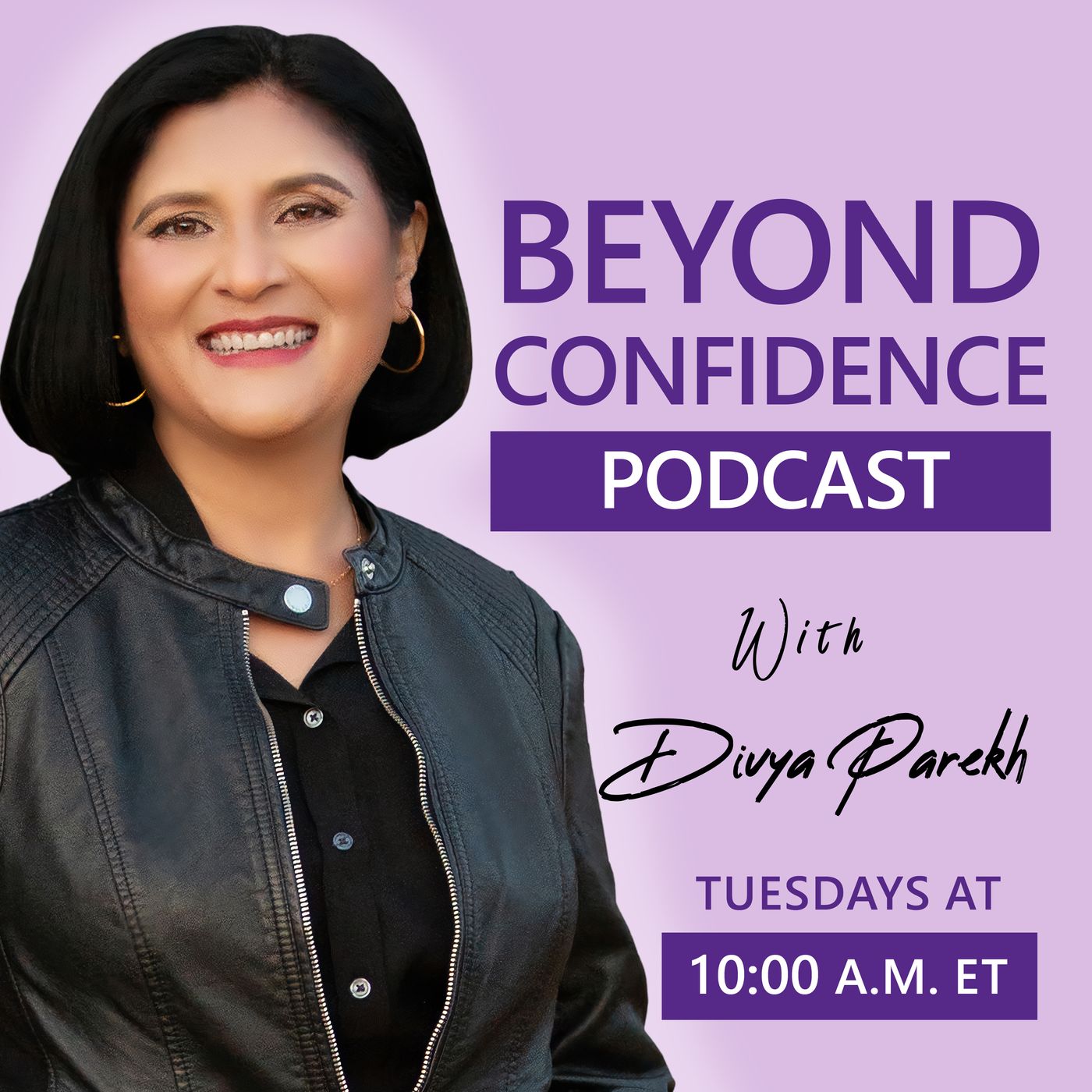
Ready to unlock the secrets to thriving in today’s competitive world? As Dr. Shaan Patel, Founder of Prep Expert, joins Divya Parekh to share indispensable success skills vital for entrepreneurship, college admissions, and career growth. This episode...
 iHeartRadio iHeartRadio
 Spotify Spotify
 Youtube Music Youtube Music
 Amazon Music Amazon Music
 Apple Podcasts Apple Podcasts
 Pandora Pandora
 Audible Audible
 Podchaser Podchaser
 Audacy Audacy
 Spreaker Spreaker
 Deezer Deezer
 Podcast Addict Podcast Addict
 JioSaavn JioSaavn
 TuneIn TuneIn
 Castbox Castbox
 Castamatic Castamatic
 Castro Castro
 Fountain Fountain
 Goodpods Goodpods
 Overcast Overcast
 PlayerFM PlayerFM
 PocketCasts PocketCasts
 Podimo Podimo
 Podurama Podurama
 Podverse Podverse
 Podyssey Podyssey
 RSS Feed RSS Feed
 YouTube YouTube iHeartRadio iHeartRadio Spotify Spotify Youtube Music Youtube Music Amazon Music Amazon Music Apple Podcasts Apple Podcasts Pandora Pandora Audible Audible Podchaser Podchaser Audacy Audacy Spreaker Spreaker Deezer Deezer Podcast Addict Podcast Addict JioSaavn JioSaavn TuneIn TuneIn Castbox Castbox Castamatic Castamatic Castro Castro Fountain Fountain Goodpods Goodpods Overcast Overcast PlayerFM PlayerFM PocketCasts PocketCasts Podimo Podimo Podurama Podurama Podverse Podverse Podyssey Podyssey RSS Feed RSS Feed YouTube YouTube
Ready to unlock the secrets to thriving in today’s competitive world? As Dr. Shaan Patel, Founder of Prep Expert, joins Divya Parekh to share indispensable success skills vital for entrepreneurship, college admissions, and career growth. This episode isn’t just about Dr. Patel’s insights; it’s a roadmap for your success journey. Discover the top predictor of success, learn how test prep and college admissions equip you for life and get inspired by a multimillion-dollar company.
Beyond Confidence is broadcast live Tuesdays at 10AM ET.
Beyond Confidence TV Show is viewed on Talk 4 TV (www.talk4tv.com).
Beyond Confidence Radio Show is broadcast on W4WN Radio - Women 4 Women Network (www.w4wn.com) part of Talk 4 Radio (www.talk4radio.com) on the Talk 4 Media Network (www.talk4media.com).
Beyond Confidence Podcast is also available on Talk 4 Podcasting (www.talk4podcasting.com), iHeartRadio, Amazon Music, Pandora, Spotify, Audible, and over 100 other podcast outlets.
Become a supporter of this podcast: https://www.spreaker.com/podcast/beyond-confidence--1885197/support.
0:00 The topics and opinions expressed on the following show are solely those of the hosts and their guests, and not those of W four WN Radio it's employees or affiliates. We make no recommendations or endorsement for radio show programs, services, or products mentioned on air or on our web. No liability, explicit or implied shall be extended to W four WN Radio, its employees or affiliates. Any questions or common should be directed to those show hosts. Thank you for choosing W four WN Radio. This is Beyond Confidence with your host w park. Do you want to live a more fulfilling life? Do you want to live your legacy and achieve your personal, professional, and financial goals? Well? Coming up on dvparks Beyond Confidence, you will hear real stories of leaders, entrepreneurs, and achievers who have stepped into discomfort, shattered their status quo, and are living the life they want. You will learn how relationships are the key to achieving your aspirations and financial goals. Moving your career business forward does not have to happen at the expense of your personal or family life or vice versa. Learn more at WWWA. You don't divpork dot com and you can connect with dvant contact at dvpark dot com. This is beyond confidence and now here's your host div Park. Good Morning listeners Tuesday morning, and I'm here with y'all so super excited and I'm sure depending on where you were in the path of solar eclipse, that you did see it. And it is such a out of the world experience. So in North Carolina, you know,
1:34 we got approximately around like seventy percent coverage. And what was funny was listening to one of the kids say, I don't know if it was on TV or one of the neighbors kids saying that, oh, somebody took a bite out of the cookie. And it was just amazing to see. And it again brings back so many things in perspective that we are so tiny, we are so little in comparison to the nature, and it's really important that we all come together because together we are stronger. And I want to thank you to every one of you who have got a books and if you have not, what I want to share with you is that do get our entrepreneurs got in and expert to influencer and very thrilled to share like you know that these may be getting into one of the colleges as in terms of the book program, so it's being considered. I don't know where it's going to go or not, but just the fact that it's being considered, both of the books to be part of the curriculum, it's very, very exciting. So just wanted to kind of share that with you. And as always, I'm going to invite you to keep that kind of circle going. Spend that hour of your time every month helping someone, no strings attached, and remember that these books will change your lives. If you've not got your copy, do
3:07 get it and let's go ahead and get started. Welcome doctor sham Hi Dibia, Thanks for having me. I'm excited to be here. I'm excited to have you on board. So share with us if you recall any moment from your childhood, moment or person that left a positive mark on you. Yeah. So so many people from my childhood left a positive mark on me. But you know, I think one of the most important for me was my father. You know, he's still with us, but you know he still had a really positive impact because he modeled success for me at an early age.
3:50 What I mean by that is, you know, he went to work at you know, he would wake up at five am, and he was a farmer, so he'd go to the pharmacy from six am to three pm and he would come home and then you know, we lived in a budget motel that he owned, and then he would help my mom run that from you know, three pm to ten pm at night. And so he was a NonStop entrepreneur as well as a healthcare provider as a pharmacist. And then he owned a gas station as well that they would run. And so, you know, I think he's really the classic American dreams story. Came to America with very little from India, and he's what inspires me to work hard.
4:39 You know a lot of people think that I work hard, but I don't work half as hard as my own father. Well, and it's wonderful to have a role model like that because so many times you hear so many people complaining, and all of us do, especially even if it is something small like better And it's okay to complain. And yet it's also important to continue striving your dreams. So when you were a child, like did you have any aspirations to become firefighter or anything else, like you know, as most kids do. Yeah, you know what was interesting is, you know, I think my own interest in was definitely towards medicine. I think my father encouraged that, my mother encouraged that like many immigrant households do. But I also had a you know, natural interest in it, and so I volunteered at the local emergency room, and I always wanted to become a physician.
5:42 However, you know, one of the things that was interesting about my childhood was my unrecognized talents or abilities or interests. And what I mean by that is I was always tinkering around with buying or selling things. So in elementary school, I was selling Pokemon cards, in middle school, I was selling music CDs. In high schools. I would do a lot of ebaying, of buying and selling iPhones and things like that. In college as well, and so, you know, I had this natural ability or natural interest in entrepreneurship, although I didn't really know about it, and so it wasn't until I started my own company, UH Prep Expert, which is a test preparation company that helps students with the s A tact and college admissions that I realized that, you know, I think entrepreneurship is a fantastic path for me from my natural abilities and gifts. I did end up, you know, going to medical school and becoming a dermatologist, and I still pursue or I still practice teledermatology today, but I think, you know, now I'm living my dream life as both a dermatologist, as and an entrepreneur. But one of those talents was kind of more strategically thought about as a physician, and one more came about naturally without me knowing it. So then you mentioned that,
7:14 you know, you were incline towards medicine. So was it inspired by your dad being in the healthcare industry or was that something that was naturally you gravitated towards. Yeah, I think it was a bit of both. You know, there's no physicians or doctors in my families that I really had a role model. So my father was my closest thing to a healthcare provider as a pharmacist, and you know, I would go to work with him occasionally on the take your kid to work day and it was pretty interesting what he did. And on top of that, you know, getting the exposure of volunteering at the hospital nearby was really interesting. I met some awesome doctors there that inspired me, and so that's where I think the initial interest in medicine came from. And funny enough, you know that interest is what led me down the path of wanting to apply for combined medical programs, which actually is what made me study so much for the SAT. So you know, they had very high requirements for SAT and ACT scores for combined medical programs, and so if I was not interested in medicine, I probably would not have studied so much for the SAT, which Poventually, you know, I raised my score from average to perfect, which then led to the founding of the company.
8:39 So it all kind of wove together, but I was only able to connect the dots after right, So you mentioned about combined medical programs and some of our audience may not know. So are you talking about do a degree or are you talking about finishing your bachelor's and medicine together. Yeah, great question. So the combined medical programs typically refer to dual degree programs, so that's a BS. You get your Bachelors of Science and your medical degree program at the same university. Sometimes you do it in eight years of four years for your bachelor four years for your medical degree. Some are accelerated where you do it in a total of six years or seven years even And so these programs are amazing for high school students, especially for parents with high school students who are listening, because they give you automatic acceptance in a medical school directly out of high school. You don't have to worry about applying again, taking the MCAT, you know, having to get high grades or extracurriculars. Your medical school seat is secured. And so that, you know, was something that really inspired me because I wanted to not have to worry about that in college. And so I did end up going to a medical degree program at the University of Southern California. I got into a few different ones, including some prestigious ones at Northwestern, but ultimately I made my college decision around not only the medical program, but USC gave me a full ride scholarship, which
10:11 helped reduce or actually eliminate my college costs, which was really important for me, Oh definitely, because college expenses can be humongous on parents or like even for students walking out with student loans, and so during residency there are so many different disciplines that you could have ended up in What was it that drew you to dermatology? Yeah, great question. So you know, I didn't really know that I was interested in dermatology until the very end of medical school. And that's because, for you know, the listeners that may not know, in medical school, the last two years you rotate through different specialties.
10:56 So you'll rote taate through internal medicine, surgery, psychiatry, et cetera. And at the very end you have a couple of electives typically, and so I rotated through ophthalmology and dermatology. And what drew me to dermatology is, you know, the ability to have a little bit of everything. What do I mean by that? So there's medical dermatology, there's surgical for skin cancers, there's obviously cosmetic, there's laser and so I really enjoyed the fact that, you know, there was a little bit of everything in dermatology. I didn't see that in other specialties. And now actually for me, I actually go to a different type of dermatology, which is teledermatology. Dermatology actually lends itself quite well to visual and so being able to meet with patients by video or even by just having photo sent I'm able to diagnose and treat eighty percent of conditions. Obviously twenty percent I need to refer for biopsy, et cetera.
12:05 But you know, that allows me to have the flexibility to be both a dermatologist as well as an entrepreneur by not having to, you know, spend fifty sixty hours in a clinic every week. Yeah, and that definitely makes sense. So when, like, how long did you practice, Like it sounds like, you know, you transition into teledematology recently. How long were you in a clinic or associated with a hospital or something like that, And when did you decide that entrepreneurship was calling. Yeah, so you know, I actually decided right after residency that I was going to go to a clinic. And so in residency, I was in a clinic for about three years at Temple University Hospital. And the reason I decided to transition was actually during the COVID pandemic. I was in residency and I was in my last or second to last year, and we had transition much of our care during COVID to TELEDERM and that allowed me to see how efficient it was as well as you know that I was able to actually be more productive because the appointments were a lot quicker, and then I was able to have my other half data to do entrepreneurship. So I transitioned, you know, right after residency into full teledermatology. But I think if I didn't have that pandemic experience going to you know, telehealth appointments, which I think you know, many patients and providers had at that time, I wouldn't have known about that as much.
13:39 And so in terms of you know, your second part of the question, which is when was entrepreneurship calling, it's a great question, and you know, I kind of always had entrepreneurship as my side hustle as people call it now, quote unquote throughout college medical school residency, I always had Prep Expert, which is my test prep company, on the side, and I had my team, my operations team, my customer experience team, my tutors running the day to day operations. Because I started in college almost twelve thirteen years ago, and so I didn't spend a whole lot of time on it.
14:20 But now, you know, once I graduated from medical school residency, that's when I thought I would go all in and take over as the CEO, spend more time on the day to day, spend more time on the product curriculum, teach classes myself, and become more involved with the company because I think that we're able to reach a lot more students, which we're already doing now since I've been the CEO, and hopefully, you know, become one of the largest test prep providers in the nation. So let's go back to the entrepreneurship. You mentioned that you had started in college and then we were also on Shark Tank, and there's so many entrepreneurs out there, doesn't matter what the age, doesn't matter that they are in their journey and they have this new idea. So tell us, like, what was the journey like to getting into Shark Tank and what happened after that? Yeah, great question. So Shark Tank was an interesting experience. This actually happened, you know, about eight nine years ago, in twenty fifteen, sixteen times.
15:31 So what you know what happened was at that time, Shark Tank was quite a popular show and so I was just like everyone else, just a fan of the show, and I was watching one day and I had an idea, which was, you know, I have this small business in Las Vegas, Nevada, which is where I grew up, where I was doing a test prep company. I'd love to, you know, expand it to other cities. I'd love to expand it on online. I'd love to do more marketing, hire more people. And as I was watching the show, I thought, you know, it would be a great business to take on Shark Tank and get investment and expand the company. And so I saw that they were doing auditions in New York City and at the time, I was at Yale University doing my MBA, and so I took the train over to New York for two hours and I ended up being the last person in line.
16:29 And I spent about nine hours in New York City waiting to give a one minute pitch to a casting call producer. And you know, it was really kind of disheartening because, you know, when I was giving my pitch, the one the casting call producer did not seem interested at all. You know, he didn't smile once. And what was super interesting, and I think you'll like this dibio, which is, you know, what made the casting call producers eyes light up and him smile was at the very end when I pulled out my SAT preparation book and so I he was so impressed that I had written a book that my face was on the book, and his whole mood changed. He asked if he could have the book for his nephew, And within a few weeks I was being flown out to Los Angeles to pitch on Shark Tank. And so then, you know, that was an amazing experience of itself, nerve wracking, lots of preparation, just like the SAT And you know, eventually I was maybe a lot of our listeners who may be thinking that I want to get on Shark Tank. So tell us a little bit more about what they could do. So, first of all, you mentioned that the auditions were in New York's Is it only in New York?
17:48 Oh? Yeah, yeah, So if you're interested in pitching for Shark Tank, they still do the auditions this way, which is they go to different major cities around the United States, So you know, New York City, Los Angeles, you know, there are some other ones, I think in Atlanta. They change every year, so you'd have to kind of look at the Shark Tank casting Call audition sheet. They also take some online and video auditions, so you can send that in. But of course I encourage you going in person as I did, because I think you have a higher likelihood of getting on the show. So that's one thing. The other thing I would say is, you know, as a tip to get on Shark Tank, make sure that you have some sales or something impressive about your product or service. I don't think it's a good idea to just go with an idea or a proto type. You know, there were a lot of people standing in line where when I went to the auditions and they just had an idea and they or they just had a prototype of a product. But it's very, very helpful when you actually have some sales, even if it's not a lot of sales yet, or you act you have a product or service that's been out for a while, as I had a book that has sold fifty thousand copies, and you're able to speak to that to the casting call producer. So I think that that will really really help you if you're pitching the show. And would you say that it would benefit the applicants to watch
19:19 Shot Tank shows. Oh, absolutely yeah. I think one of the reasons that, you know, I was able to have a decent one minute pitch, So it's interesting you only get one minute to pitch the casting call producer, so you have to pack in a lot of information in that. And so what you want to do is you want to pack in you know, one, obviously what your product or service is to what's impressive about it, what's unique, Three if you have any sales or media coverage. And four I would say, you want to use the perspective of why this is going to be good for shark ting, And as you said, the only way to really know that is to have watched at least a few episodes, if not many episodes of the show. You know, why it's entertaining, if there's a particular shark that might be interested in this industry, in your industry, et cetera. Oh, that's very helpful. And as you mentioned that, you continued prepping for shorting and tell us about your experience when you got on shortting what happened? Yeah, so that was a whole nother very stressful experience, of course, which was going on the actual show. You know, I watched even more episodes of Shark Tank trying to think of, you know, questions that the different sharks would ask, and I prepared a sheet if I think it was twenty five to fifty different questions with what my responses
20:49 would be. And then, you know, when I actually got on the show and they called me from the studio to go on. You know it's interesting is when you get on that stage, you forget a lot of what you had prepared, and so a lot of times you're just going off what's the top of your head, because there's you know, there's adrenaline, you're nervous, et cetera. And so I was, you know, answering questions kind of just very genuinely from the heart. I told a lot of stories from my childhood, including the ones that I had mentioned at the beginning of this podcast about my dad working you know, twelve fifteen to sixteen hours a day, and I think that really resonated with only one shark really, which was Mark Cuban. The other sharks were actually more concerned that I was both a doctor and an entrepreneur. They didn't think I could be both, so they all did not give me a deal. But Mark Cuban really saw a little bit of himself and me, and he talked about his dad working really hard and inspiring him. So I think that connected emotionally, and so he ended up giving me an investment deal for two hundred fifty thousand dollars for twenty percent equity in the company. And Mark Cuban has been an amazing investor, advocate and partner for the company ever since. And so would you say that when we talk about having a multimillion dollar company, shark Tank is one of the ways. So tell us what else went into the company as you were
22:22 building it. What did you have to keep in mind because and where was your company when you went to the Shark Tank and where's it now? Yeah, great question. So you know, when I first went on shark Tank, I was really just a small business. As I mentioned, we were only doing in person SAT courses teaching students in my hometown of Las Vegas, Nevada. And at that point, you know, we had been around for about four or five years, and it was a very small business because we didn't do any marketing. So there was literally a you know, they had asked me my customer acquisition cost on Shark Tank, and I didn't know because the answer was zero dollars because we didn't spend anything on advertising. It literally grew for the first four to five years just by word of mouth, which I think is really important for entrepreneurs in that you make sure your product or service is good enough in the beginning to grow just by word of mouth, by customers telling other customers, and so that had us doubling revenue year over year to the point that before Shark Tank we were at about a half a million dollars in annual revenue and we had done about a million dollars total over the first four to five years. Now, after Shark Tank, we really started pushing the gas because we had investment, we had exposure on marketing, on digital marketing and scaling the company, and that has led now so we've
23:56 spen what eight nine years since we've been on Shark Tank, We've now done over fifty million, so one million to fifty million, fifty million dollars in revenue. That's across our courses, our books, and licensed services, and so it's it's been an amazing ride in terms of you know, growing and scaling the company. And obviously now we do spend money on marketing, so we have customer acquisition costs. But you know, I'm happy to say we've been profitable ever since the inception of the company. Well, congratulations, your hard work has paid off and I'm sure that your parents, especially Dad, is very, very proud of you. So you mentioned that Mark Cuban has been a great mentor, and can you share for our entrepreneur listeners and audience, what would you say, like, you know, in this time where of course, you know, successfully scaled from one million to fifty million dollars, what are some of the lessons that you've learned from him and implemented in this venture. Yeah. Absolutely, you know, I think there's quite a few lessons. But some of the key lessons that you know, Mark has taught me over the years has been one has been just building an amazing team.
25:17 So Mark has an amazing team around him called the Mark Cuban Companies. That's his venture portfolio team that handles you know, business development, accounting, marketing, et cetera. But he's really made it clear to me that our company is only going to be as good as the the culture and the team that you build. And so, you know, in the beginning, when I was a small business before sharkting, and in the early days right after shark Ting, I would say we didn't really have the best team we didn't have the right operations person, we didn't have the right customer experience manager, we didn't have the right marketing person. And so Mark recognize that and he saw, you know, we had some cultural problems that he helped us kind of root out those people. And that's the hardest part, honestly, of being an entrepreneur or business owners, having to let go of people that you know, I've worked for the company just because the company outgrew them. You know, they were great when it was a small business, but they were not great when you know, you're a national test or a national company that's growing, et cetera. You need to sometimes get better talent in the door.
26:29 So I'd say one, building a great team in company culture has been super important, and something Mark has helped us with. Two is you know the importance of negotiating and never settling. So there was a licensing deal we had on the table where you know, we were licensing our courses out to an international company and the licensing fee was, honestly and not very much, and Mark basically refused to do the deal unless they had really increased their licensing fees. And you know, that really showed me the power of negotiation because at the end of the day, we were able to double our licensing fee, double the revenue and contract out of that. And you know, as an entrepreneur or business owner, you really have to know your worth and be able to negotiate. If you know Mark Cuban's backstory, he negotiated a six billion dollar acquisition from Yahoo and which turned him into a billionaire. And I could see why for that negotiation. He's a hard negotiator for sure, and you really it's a skill that's not it comes easy to everyone. But I'm glad he's on my team. And so that's that was a big one.
27:44 And then the third is the power to say no. Really important as an entrepreneur. You know, as an entrepreneur, you can say yes to a million things and you can get overwhelmed, you know, marked as eight hundred emails a day to his different entrepreneurs and investments. But he says no to all meetings because unless it's a really really important event or really important meeting. And that's important because it values his time because if he did a meeting with all hundreds of his companies, he would never have any time. And so you know, he says yes to the right things though. For example, we did an Obama Foundation Entrepreneurship panel in person well a few weeks ago in Chicago, and he came to that and said yes. So you have to know you know the right things to say no to and the right things to say yes to. And he's shown me that by example. That's very powerful.
28:42 So what would you say, Like, you know, you have shared the lessons and you have the culture, you have the team. Now, a lot of people achieve success, but what happens is that they're not able to sustain it and scale it. So for doing that, do you have your own personal experiences that you'd like to share? Yeah? Absolutely so I agree with you. You know a lot of times, you know, there are many challenges in business. Not every year is going to be a record year, especially when you've been doing it, you know, for decades, over a decade, as I have been. So how do you sustain success over a long period of time? I think, you know, there's two or three key things that I would say here. The first thing is, as the entrepreneur or as the business owner, always try to focus on your product and making it for product or service and making it as good as possible for customers. You know, every week or every year, I try to improve my product or service substantially. So I am personally looking at all of our course content, curriculum and trying to improve it. From a student's perspective, I look at, you know, some feedback that we get from parents and students, what's missing, what could be improved, and I try to add that into our courses and our tutoring and our curriculum. And the reason
30:15 for that is because that's the number one form of marketing. I kind of mentioned it earlier when I spent zero dollars on marketing. It was all word of mouth and allowing customers to tell each other. Because you can spend a ton of money on Facebook ads, Google ads and other advertising, but it gets very expensive, and if you don't have a good product or service that customers are telling other customers about, you end up spending way more on marketing than you need to, and you end up actually oftentimes not being profitable that way. So that's key Number one is like, as the entrepreneur our business owner, never think that you know you it's time for you to move on from the product or the service because that's what's driving the entire business. Number two, to drive success forward, I think learning from people who have done it and become more successful than you is really important. So for me, what I typically do is, you know, one, I learned from our cuban, of course, but I also hired a separate business advisor who's you know, helped companies scale to one hundred million, two hundred million plus in revenue. And I learned from different strategies and tactics that he has and I try to implement them in our business. And then I also attend conferences usually every six months, and sometimes it's related to education, but sometimes it's not.
31:41 A lot of times it's just related to marketing or business or entrepreneurship because I learned from other industries and so I think, you know, the key theme here is always be learning, whether it's you know, through advisors and mentors or conferences you know, or even books. You know, I read a lot of books to an entrepreneurship in business, those are some very powerful nuggets. So coming to your company, you talked about in the beginning that you know, you were able to perfect your score so that you could get into the combined medical program now that's said, like, you know, what was it that drew you towards creating that as a business. Yeah, there's a great question. So you know, when I was in high school, as you mentioned, I raised my score from average to perfect and that opened up a lot of doors for me in terms of the medical programs I wanted to get into. I got into some other prestigious universities. I got a half a million dollars in college scholarship offers, so I didn't have to pay a dime for college tuition, housing, books, food, or anything else.
32:52 And so when I got to college, I wanted to help other students improve their scores to improve their own life. It's the way that I did. And you know, I had written all of this strategies content techniques that had helped me during my own process. And so originally I actually did not want to start a business. I wanted to just write a book. I thought, you know, I could write the first SAT prep book ever by a perfect score, and you know, it would be great. The problem was, I pitched it out to one hundred literary agents and publishers, and every single one said the SAT prep market was too competitive, that I didn't have a platform to write such a book. And so that's when I took my destiny into my own hands, and I said, okay, well, if I'm not going to get the book deal, I'll take all this curriculum and I'll teach, you know, one course before I go to medical school.
33:52 It was really just supposed to be one course. But you know, the first eighteen students I had in that first six week SAT course, my students had an average score improvement of three hundred and seventy six points to their SAT scores, which is equivalent of taking a student from the fiftieth percentile and putting them in the ninetieth percentile. So of course I had parents and students who wanted more courses. So I began training other instructors to teach my curriculum and the rest is history. Over the past twelve years at Prep Expert, we've helped over one hundred thousand students improve their SAT and ACT scores, get into top colleges, and most importantly, win over one hundred million in college scholarships. So there might be a question, like, you know, during pandemic, a lot of colleges had done away with SAT and asat so what's the current climate right now? Great question. Yeah, so there's a lot of confusion among parents and students with test optional college admissions. You know, there are really three reasons you should still take the SAT or the ACT despite test optional. Number one is there's a lot of studies now showing that even at test optional universities, students who submit test scores have higher acceptance rates, oftentimes two to three times higher when you have an satr ACT score versus when you don't. Reason number two is there are over seven billion dollars in merit based scholarships that are awarded to students who have high grades and high test scores.
35:27 So if you don't have a high test score, you often won't be eligible for a full tuition have tuition scholarship from university or many scholarships from private companies. And then the third reason is in the last couple of months here, there's actually been a huge resurgence of standardized testing requirements at top universities like MIT, Yale, Dartmouth, University of Texas, at Austin Brown University, Georgetown. So there are plenty of I heard UNC is actually considering it right now as well. And so there's you know, they're going to be mandatory again at many top universities, so it's really not going to be a choice anymore. Well, a confusing time for parents and students alike. So now that's said, as you mentioned earlier that this market is very, very competitive, and there are so many companies who have been out there for maybe twenty thirty years, some emerging new because it is a multi billion dollar market.
36:25 So what would you say that makes your program stand out from the rest, And as our listeners, maybe our audience may be considering it, what would it that would benefit them coming to you versus going to somebody else. Yeah, so it is a very competitive market and there are a lot of good test prep companies out there. What makes products Perty unique is I really believe we have the best score improvement guarantees, the best instructors, and the best curriculum in the industry. So for score improvement guarantees, we offer a two hundred point SAT score improvement guarantee or a four point ACT score improvement guarantee after you take one of our six week live online courses. For instructors, we only hire ninety nine percent TILE instructors, so instructors who have scored in the top one percent themselves, as well as who have thousands of hours of teaching experience, So there are no amateurs or students who are instructors who really don't know their content teaching. And then the third is the curriculum. As I mentioned, I've developed all of the curriculum myself based on my own methods, but based on my own experience raising my score from average to perfect. Much of the curriculum from other test prep companies is written by PhDs and folks who are already naturally good standardized test takers. That's not me, and I think a lot of students can relate to that. And what's really unique about the
37:57 curriculum is I also teach strategies, tactics, and techniques that don't only help your student with SAT prep, but also help them with time management, productivity, self control, delayed gratification, how to study effectively. So many parents and students come out of our courses and say, well, you know, this didn't just help me with the test prep, but it helped me with my student become more serious about academics. They learned about how to study for their AP exams, how to study in college, so I think you get a lot more than just an SAT course. Absolutely, thank you for sharing that, and I'm sure that a lot of our audience will be wanting to As you can see on our site, you will see that we have the website that you share, but like, can you share with us your website?
38:52 And if somebody wanted to get in touch with you, how could they do so? Yeah, of course, So for parents, parents who have high school students, I highly recommend checking out my website propexpert dot com. So it's p r e p e X p e r T dot com. You can find all of our SAT course schedules, ACT course schedules, as well as college admissions consulting services. We have courses starting every single week of the year, and you can see the six week schedules, the a week schedules. We have video courses, all kinds of stuff right at propexpert dot com. You can also find our books there. I just released a new book called prop Expert Digital SAT Playbook, which you can find on propexpert dot com or on Amazon. And for those of you who'd like to connect with me, you can find me on any social media and for entrepreneurs out there, I have a book called Self Made Success, which you can find on Amazon as well. Oh, thank you for joining us and sharing your experiences and insides. And thank you listeners for joining us because without you, the show would not be possible. Reach out to us, let us know how we can serve you and support you to succeed and have the life you want.
40:10 And thank you on for making the show technically possible. Be well and take care until next time. Thank you for being part of Beyond Confidence. With your host v Park, we hope you have learned more about how to start living the life you want. Each week on Beyond Confidence, you hear stories of real people who've experienced growth by overcoming their fears and building meaningful relationships. During Beyond Confidence, Vpark shares what happened to her when she stepped out of her comfort zone to work directly with people across the globe. She not only coaches people how to form hard connections, but also transform relationships to mutually beneficial partnerships as they strive to live the life they want. If you are ready to live the life you want and leverage your strengths, learn more at www dot Dvpark dot com and you can connect with dvat contact at dvpark dot com. We look forward to you joining us next week


