
Redefining Midlife to Open New Opportunities

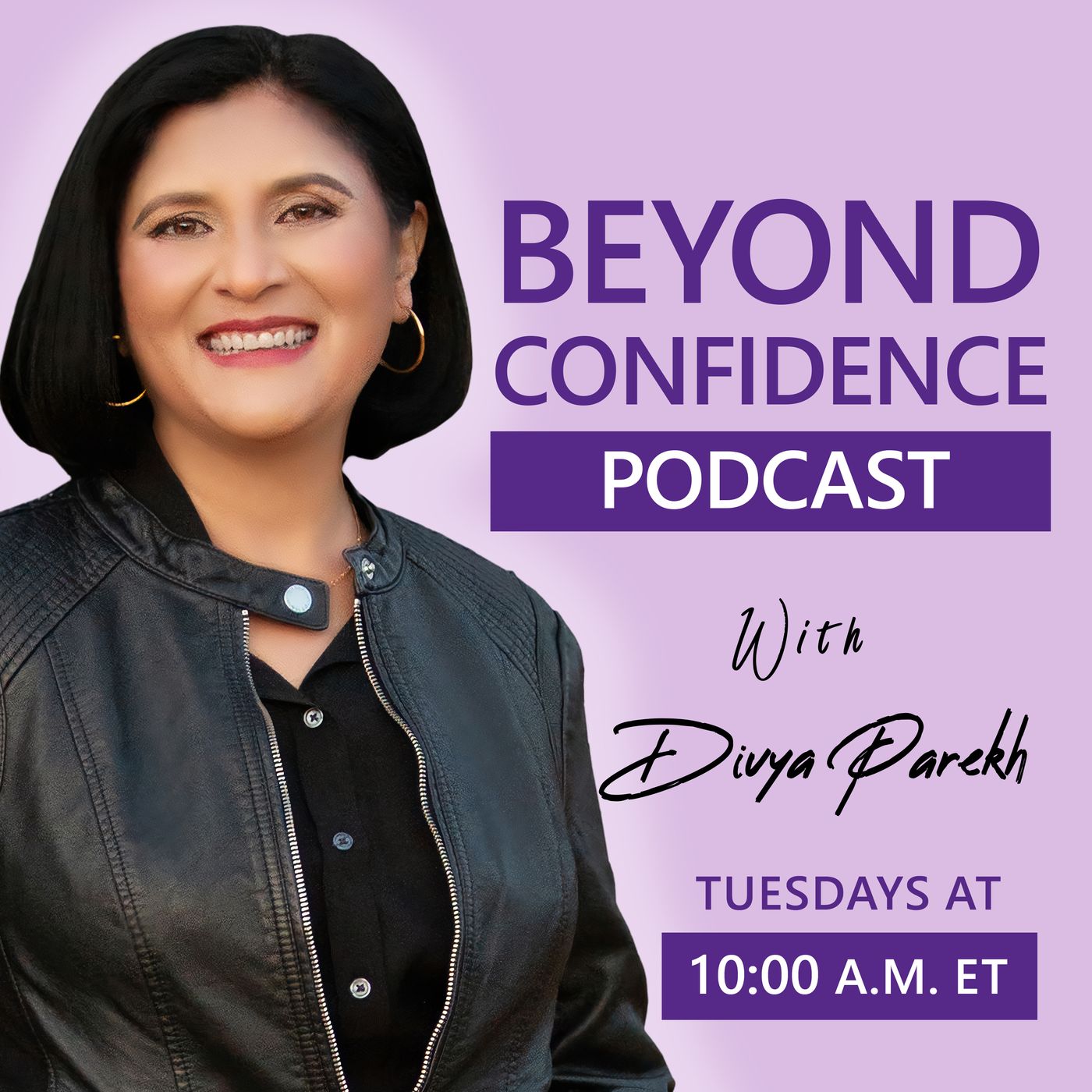
Join Divya Parekh as she sits down with Amanda Lamb, a former television journalist who has traded in her crime reporting days to create a platform for women to share their transformative midlife stories. After 35 years in the industry, Amanda...
 iHeartRadio iHeartRadio
 Spotify Spotify
 Youtube Music Youtube Music
 Amazon Music Amazon Music
 Apple Podcasts Apple Podcasts
 Pandora Pandora
 Audible Audible
 Podchaser Podchaser
 Audacy Audacy
 Spreaker Spreaker
 Deezer Deezer
 Podcast Addict Podcast Addict
 JioSaavn JioSaavn
 TuneIn TuneIn
 Castbox Castbox
 Castamatic Castamatic
 Castro Castro
 Fountain Fountain
 Goodpods Goodpods
 Overcast Overcast
 PlayerFM PlayerFM
 PocketCasts PocketCasts
 Podimo Podimo
 Podurama Podurama
 Podverse Podverse
 Podyssey Podyssey
 RSS Feed RSS Feed
 YouTube YouTube iHeartRadio iHeartRadio Spotify Spotify Youtube Music Youtube Music Amazon Music Amazon Music Apple Podcasts Apple Podcasts Pandora Pandora Audible Audible Podchaser Podchaser Audacy Audacy Spreaker Spreaker Deezer Deezer Podcast Addict Podcast Addict JioSaavn JioSaavn TuneIn TuneIn Castbox Castbox Castamatic Castamatic Castro Castro Fountain Fountain Goodpods Goodpods Overcast Overcast PlayerFM PlayerFM PocketCasts PocketCasts Podimo Podimo Podurama Podurama Podverse Podverse Podyssey Podyssey RSS Feed RSS Feed YouTube YouTube
Join Divya Parekh as she sits down with Amanda Lamb, a former television journalist who has traded in her crime reporting days to create a platform for women to share their transformative midlife stories. After 35 years in the industry, Amanda realized the power of female friendship and community, and launched her podcast "Ageless: Opening Doors with Amanda Lamb" to provide a space for women to open up with strength, vulnerability, and inspiration.
Beyond Confidence is broadcast live Tuesdays at 10AM ET.
Beyond Confidence TV Show is viewed on Talk 4 TV (www.talk4tv.com).
Beyond Confidence Radio Show is broadcast on W4WN Radio - Women 4 Women Network (www.w4wn.com) part of Talk 4 Radio (www.talk4radio.com) on the Talk 4 Media Network (www.talk4media.com).
Beyond Confidence Podcast is also available on Talk 4 Podcasting (www.talk4podcasting.com), iHeartRadio, Amazon Music, Pandora, Spotify, Audible, and over 100 other podcast outlets.
Become a supporter of this podcast: https://www.spreaker.com/podcast/beyond-confidence--1885197/support.
0:00 The topics and opinions expressed on the following show are solely those of the hosts and their guests, and not those of W four WN Radio it's employees or affiliates. We make no recommendations or endorsement for radio show programs, services, or products mentioned on air or on our web. No liability, explicit or implied shall be extended to W four WN Radio, its employees or affiliates. Any questions or common should be directed to those show hosts. Thank you for choosing W four WN Radio. This is Beyond Confidence with your host v park. Do you want to live a more fulfilling life? Do you want to live your legacy and achieve your personal, professional, and financial goals? Well? Coming up on voparks Beyond Confidence, you will hear real stories of leaders, entrepreneurs, and achievers who have stepped into discomfort, shattered their status quo, and are living the life they want. You will learn how relationships are the key to achieving your aspirations and financial goals. Moving your career business forward does not have to happen at the expense of your personal or family life, or vice versa. Learn more www dot divpark dot com and you can connect with vant contact at divpark dot com. This is beyond Confidence and now here's your host w Park. Hello, Hello, Hello, good morning. It's Tuesday, and you'll know that I love this time because I get to be with you. Y'all are super special to me because without you, my dear audience, the show would not be possible. So what I want to share with you is that thank you, Thank you, Thank you for each and
1:34 every one of you who have got my books. So love you. Because remember we're not just talking about you becoming the influencer with numbers or with likes. We're talking about becoming an influencer who impacts. And always remember that when you impact somebody else, you get impact it too. Or you are thinking of Billie relationship with yourself, you want to have a good relationship with money and you're thinking like, oh I cannot have money, or I want money, or what about the results? So get any of these two books, The Entrepreneur's Garden or Expert to Influencer and change your life. And also know that part of the profits go to keivot dot org because we love entrepreneurs.
2:24 Entrepreneurs change lives, So thank you for being part of it. And also know that we love you participating in Kindness Circle and sending us your stories. So keep sending us those stories, take out a month, just every month, one hour from every month, and spread that kindness and joy around. So today we have a very special guest for you, and you will be very amazed with her journey as we bring her on. So welcome Amanda. It's such a joy to have you on our show, Tibia, thank you for having me. I'm so happy to be here. Yeah. Well, so I have to share this story very quickly. Is I was walking down during December. It was holiday time, and as you'll know, I love holidays and I love Christmas. So I hear the jingle and I'm like, whoa, you know it's center around me. I still haven't I still I believe in Santa. And I'm like, of course. I look back and I see these group of wonderful women, you know, just spreading holiday cheers.
3:42 So Amanda was one of them. They were wearing beautiful Christmas different like knick knacks and you know, jingles Christmas outfits. I stopped there was our annual Christmas hike and actually do a Halloween hike. And we've also talked about it Thanksgiving hike, but we'll see. But yeah, it was so wonderful to meet you because you came up and said can I take some pictures? And then you ended up walking with us, and you know, that's how we met and got to know each other. And it's been really great having that connection. That was really unexpected and really surprising and fun. Yeah, and that's the adventure, right that life can throw us. And here's what I can share. Amanda is such a wonderful person, brings so much joy and has this beautiful energy around her. We just connected and it's a start of a beautiful friendship. So Amanda, thank you for that. Oh well, likewise, and it was great, same thing connecting with you, finding out you were a podcaster and you know, picking your brain about all things podcasting. So it's been really great getting to know you. Ah, it's wonderful. And listeners, as you can say, me have a thing going over here. So it's be let's get into Amanda's story. So Amanda, tell us, is there a moment or a time or a person that still
5:12 stands out in your memory to this day? There You're like, yeah, you know, even though I was a child, I still remember that. Yeah, I think I would have to go with my paternal grandmother. Her name was Lady, and she always lived near us, so wherever we moved. I grew up in Pennsylvania, my dad always made sure she had an apartment or a condo that was close enough for us to ride a bike or walk to her house and visit her. And she was not your typical grandmother. She did not cook, she did not work Philly aprons. As a matter of fact, in the seventies she was wearing pantsuits, which was pretty forward thinking for somebody at that time. And she was very involved in volunteer work. But I think it's kind of like the Maya Angelou quote. You don't remember exactly what somebody said, but you remember how they make you feel.
6:13 And she always made me feel special. She always made me feel important, And she really had that gift, as I think about it, for doing that for everyone. So no matter who came into the room, she was always kind of a source of light and love and support. She was a lot of fun. She liked to sing, she liked to dance, and she did like to throw parties. She would hire me when I was an adolescent with my best friend, and we would serve the meal and everybody would get dressed up. And I remember one year, I can't remember if it was a holiday, it probably was. She said, the roast is in the oven. Well I went to look, and the roast was not in the oven. So I came and quietly whispered to my mother. I think she forgot to put the indiovik, so instead of embarrassing her, we microwaved it, and then we had lots of side dishes, and we just quietly told everybody to just move the meat around their plate and probably not eat it. So we solved the problem that way. But she was just the kind of person that you never you know. She was so loving and she had such great intentions. I also remember a party one time where everybody was dressed up and one of my cousins had brought a man to the party, and he was wearing like a flowered shirt, like something you might see in Hawaii, so instead and maybe shorts, so instead of like the men were wearing ties and the women were wearing dresses. She brought him into the party,
7:44 introduced him to everyone and said, oh my gosh, he is so great. I wish I had thought to wear, you know, a Hawaiian shirt. He looks wonderful. He looks so much more comfortable than the rest of us. I'm going to use this as a theme for my next party, Like she really made him feel comfortable and not like she was not dressed appropriately. So I think it's a lot of those little stories that made me think that. And I'm not a grandmother yet, won't be for a while, but when that does happen, I'm going to use her nickname, which was Lady, and because it's just something I would want to do, you know, in honor of her. And I would love to have introduced her to my kids. I would love to have you know, her seeing me grow up and going to my career. But I always just feel like, you know, somewhere she knows, right she's watching. Oh she was Lady in true essence. Yeah, can you imagine. I can just picture that her making her guest feel so comfortable and having that thought, like, you know, so many people don't even realize they're so caught up in their own thoughts, right, and this was you know, this was a different time, right, This was a time when there were rules and there were boundaries and there was etiquette, and she just didn't care about that if it meant hurting somebody's feelings or making them feel left out, you know. So I really feel like she was way way ahead of her time. She also loved
9:16 theater, and she could quote Shakespeare like nobody's business. And my mom would take her to the local theater and a community theater and they would do Shakespeare and she would, you know, do the monologues along with the actors. So when I was young, I was involved in theater, and she was very proud of that. And I remember when she was dying, she was very sick, and she was in the hospital and I was in a one woman play called Dial to m for Murder. I think I was in seventh grade, so it was the end of middle school and I or beginning of middle school. We called it junior high back then. And I went to the hospital and she just wanted to know everything about the play and did not really at all talk to me about her illness or how she was doing.
10:07 And that was the last time I ever saw her. So what I remember so specifically was her lack of focus on herself, you know, and her wanting to know how I was doing, and what I was doing sounds like an amazing, awesome woman for I'm sure every one of us would love to meet. And so that's so wonderful having a role model like that growing up. So, Amanda, as you grew and as you went into for your higher education, what interest did you have? So I was always a writer? I started writing. I joke I started writing books when I was four because I would make the take the notebook paper and write the book, and then I would take the construction paper and make the cover with the crayon illustration and stable them together. My mom has kept a lot of them, so I've been able to go back and look. My very first book was the Frog ate the Dog. So actually, no, the dog ate the frog, because it would be very strange the other way around. And you know, I did grow up to be a writer. I actually published my first book at forty, so I did actually manifest that. But I didn't know how writing would impact my life. When I was in high school and college, I did mostly creative writing. So then after college, I thought, well, what kind of a job can I get writing? And so I decided journalism made sense, and I went to journalism school I went to undergrad
11:39 a Duke University in North Carolina, and then I went to Chicago and went to Northwestern where I studied journalism for one year. But getting a job was not that easy. Back then. We didn't have the internet, right, We didn't have right yeah, we didn't have easy ways unication. And so literally you got a job by taking a big, bulky resume tape because I was in television, and mailing that with your cover letter and your resume to somebody that would likely never even acknowledge getting it. So I was doing a little job in radio in my hometown, and I decided that I was going to drive up and down the East Coast and just knock on doors of TV stations. So I went to a company and I had them make me tapes.
12:30 Again, couldn't send it off on the internet, you know, to somebody. You had to physically go to a place that did this. I had a big box of tapes, I had a box of resumes. I had two dry clean suits. I had a triple a map for those who know what maps are before GPS. And I had something called the Broadcast Your Book, which for TV at that time was like the Bible I had, you know, every station who was a manager with the address, the phone number. And the funny thing is, by the time it got out in print, it was obsolete already because so many of those people had moved on. But I just, you know, I went. I couldn't even afford it. It was so expensive. I think it was like one hundred dollars, and so I ended up xeroxing, going to the library, xeroxing the pages for the states that I was driving through, and I just went about twenty five hundred miles and knocked on doors, and three months later, somebody hired me in South Carolina. So kind of that's that's how I got into the business, and I was in it for thirty five years and actually just left TV, left full time TV in January. I still do freelance, but I also do podcasting just like you, and continuing to write books and I teach journalism. So kind of a transition into all of the things that I did on the side for so many years, I'm now doing them more
14:00 as my career. Wow, what a story. Think about like going twenty five hundred miles knocking on doors and getting that job. So let's remind back a little bit. Once you got your first job, what would you say, like, you know, when you got that job, what did you experience? What feelings were you're having at that time? Well, it's funny because they hired me. This was in nineteen eighty nine for twelve five hundred dollars a year. Ooh, not knowing anything about money. I had always worked. I had been a babysitter, I had been a waitress. I had done lots of things in college, but you know, I wasn't supporting myself, so this was a totally different thing. I thought, that sounds great, and I remember my parents saying, well, we're going to have to give you a little money to get by, and I said, no, no, no, I'm going to be fine. And as a matter of fact, i'd had a credit card and college that was my parents that I could use sparingly when I asked them, and I cut it up because I said I don't need it. I don't need it. I ended up getting thirteen thy five hundred when I got there. What I did not know was that I was going to be what they called back then a one man band, which now they call a multi platform multimedia journalist. Which is a fancy way of saying, you do it all. You shoot your own video, you edit your own video. When you do something live on TV,
15:31 you set the camera up and then you walk in front of it. So I did not have that skill set. So I got there and it was, you know, trial by fire. Here's the job. You want to do this, You're going to have to learn how to do all this. So I did. I learned how to do all of that. I had a little bit of training from graduate school, but not enough. And I worked during the week and then on the weekends, I would drive seventy miles because I was station to Myrtle Beach, but the station was in Florence, South Carolina. I would drive seventy miles to the station. At about nine o'clock in the morning, I would write, produce the entire eleven o'clock news, and often shoot and edit most of it as well, and then I would present it live at eleven and drive the seventy miles back and back.
16:22 Then. You know, you've probably seen a teleprompter that anchors read off of this computerized screen that's just below the camera. Well, back then that was not a thing. There was no computer so you taped your scripts together and then you rolled them through what was basically an overhead projector like you might have growing up in the seventies or eighties in school, and you had the thing that like while you are anchoring, where you push a little button and it would go through this overhead projector so you could see the script. So it was it was very rudimentary, It was very tough. And then my second job, I went to Portland, Maine, where I didn't have to do all of that, but I still did some editing, and I also, you know, all of a sudden now was in a very challenging climate in terms of being a reporter because I had to be out in the snow, snowshof and that was a big change for me having been in South Carolina and gone to college in North Carolina. So yeah, that required a whole different set of skills of not reacting to the weather, you know, when you're on TV and it's like seven degrees below. And back then, we didn't really dress for weather the way we do now. Then reporters, female reporters were still wearing high heels and no pants. We didn't wear pants. We
17:55 were still dressing like we were going to a cocktail party, which has changed over the years. It's gotten a little bit more relaxed. But so our almost have being tough. Our clothing didn't mesh, you know, with the environment. Yeah it was, I mean it was tough. But I loved me and I loved Portland. It was such a beautiful place. And I had other job opportunities and I took that one, and I think what a different path my life might have taken because Portland was a really the best way to describe it, it was wholesome. So you know, we were skiing and we were hiking, and we were yeah, we were young. We were going to bars, we were listening to live music, we were going to restaurants. But there was something very, for lack of a better word, wholesome about it. You know, just a bunch of twenty somethings in this really beautiful, cool environment, having fun, working hard, and I just was so glad that I lived there. It's still to this day with my favorite places in the United States. Sounds like it. And so what brought you to North Carolina? So I had gone to Duke, so I was familiar with this area, and I was just looking for a better position.
19:11 You know, more money in TV you move up in. The higher the population in the area, the better the station is positioned, so the better the market. So I just I knew I wanted to move up. I thought maybe eventually I'd want to come back to the Northeast. But I thought, well, I'm going to have to pay my dues because that's how TV works. So I had this opportunity in Raleigh in their early nineties, and they wanted me to work in Fayetteville because they had offices in different locations. But throughout my career at that point, for five years, I had only worked in the satellite offices. So I had worked in Portland when the main office was in Auburn, Maine, and I had worked in Myrtle Beach when the main office was in Florence, South Carolina. And I decided that they offered me the job, and I said, you know, thanks, but no thanks. I need mentors. I need to be in a newsroom.
20:03 I need to learn that way, and this is not going to further my learning if I'm in another satellite office where I'm kind of on my own. So three months after that they called and said, maybe not even three months they called and said, we have a job for you in the main station, and so I came. And that was nineteen ninety four, and I was going to be here for two years, Max, and I'm still here. So has a way of you know, it has a way of getting into your heart and you just become so entralled with it because we have the best of the boat the worlds right. We have the seasons, and we have that homeliness of a hometown, and yet have all the luxuries of a big city. So it's a beautiful place to be in. And I know you've mentioned that, you know, you used to do crime reporting, So what would you say, you know, before you decided to call it a day, what were some of the lessons that you could share with her audience. I mean, I learned so much from a reporter, and I did everything. I covered hurricanes, I covered daily news, so I did everything, but my focus, or my niche or my expertise was crime.
21:29 And I come by that naturally. My dad was the district attorney of our county growing up, so I actually my mom was also a lawyer, so I grew up being in the courtroom hearing lots of stories, watching lots of things they did, and I was very intrigued and really always thought i'd be a lawyer, so kind of surprising to my whole family that I was not. But you know, I think the biggest thing that I learned, and I'm seeing it so glaringly now today how important it was is the ability to interact with people who have a different point of view and leave them with the feeling that they've been respected and listen to. And I don't think we teach that anymore. I don't think we definitely don't teach it in school. We're definitely not showing examples of that on social media. We've really become so polarized to the point where we can't even have a civil discussion. And as a journalist, I spent thirty five years putting my opinion aside, checking personal bias, understanding that my opinion was not part of the story, and that I had an obligation to be fair and balanced and to tell other people's stories as they wanted them to be told, to tell their narrative, to give them a platform, even when I vehemently disagreed with them, And so I tried very hard to be diplomatic, to become to be a good listener, to
23:02 not make assumptions, to be able to go out to do a story and not assume I already knew the answers, and you know, I didn't do it well every day, but I think for the most part, I did, and I feel like those were some incredible lessons. Incredible, you know. And as a crime reporter, you're there at the worst time in people's lives, right, I mean, you're dealing with a tragedy. So I learned that nobody knows how to do that. There's no handbook when somebody's murdered in your family. I focused really a lot on murder cases, and you have to give people leeway and grace, and they also need support and answers, and sometimes those would come from me, you know, I would explain to them, this is how the criminal justice process works, this is what you can expect. I also learned that the families of people charged with murder are also victims. They didn't commit a crime, they didn't know, they're loved one for the most part, was going to commit a crime. They didn't, they weren't involved in it, and yet they still love that person.
24:07 So you know, you have to also give them grace and try to be supportive as much as you can and do a fair job of reporting the story. So I learned a lot about people, you know, I learned a lot about human interaction. And then in terms of you know, skill set, I am very fast at everything I do. I can take a lot of information very very quickly, you know, break it down into what I think people need to know, to the main points, and I can do that quickly. I know a lot of my friends when they go out into the workforce after they leave TV, you know, they'll get an assignment from their boss and whatever new business they're in, they'll say, okay, you know, can you do this in two weeks? And they're like, I can do it in two hours. You know, because in Local TA, you know, I was on at noon for five, six seven, you know, not every day, but most days I was in at least three shows, sometimes four or five, and I was producing, writing all of my own content, setting up all my own interviews, doing all my own interviews. So eight plus hours, I mean, excuse me, eight plus minutes of produced television a day. I mean, you said, a documentary producer, we need you to do eight minutes a day. They would tell you you were crazy, you know, but that's what local news is.
25:33 It's very fast, and that's you know. One of the reasons I left was I knew that it was time for me to really maybe focus more. I'm doing things well and not not rushing through everything, because you can make mistakes when you rush, you know, and not take everything into consider. So I've been enjoying changing that routine or that pace in my own business. Well, that's very powerful because what you shared was that giving grace and bringing your heart to work, and that's something we all of us can do regardless, you know, whether you are an entrepreneur or whether you are a corporate or even in any interaction, it's so important to remember our humanity.
26:30 And sometimes it does feel like, you know, as you mentioned that now we've become so polarized that we can't even have a civil discussion where we can agree to disagree. So one of the things is that being kind, being understanding that they may have the viewpoint and yet you can still come together and see the human part of the other person and bring your heart to it. So as you are starting your new chapter in your life there is for women. What happens is that you know what's next, So tell us a little bit more about that. Yeah, I mean, so, I was podcasting for my TV station and I did three true crime podcasts, which I'm very proud of with a team. The first one was called Follow the Truth, and it was about the reinvestigation of the murder of Michael Jordan's father, James Jordan, happened in nineteen ninety three. I had a close relationship with one of the defendants in the case who was convicted of murder and is in prison for life. So we kind of relooked into that case because we didn't feel like a lot of the things were done correctly at trial. We won our team one and Edward R. Murrow Award for Excellence in Journalism, so we were very excited about that. My next show was What Remains, and that was about connecting unidentified remains that are held by state medical examiners with missing and
28:06 murdered people, and that was very successful, a lot of science, a lot of DNA. And then our third one that we just finished that just came out in December was The Killing Month August nineteen seventy eight, and that was about a case that I actually knew from growing up. My dad was the prosecutor. It involved three brothers who were in a criminal kind of a gang, if you will, and they ended up being charged with murdering six people. And so I love that genre because it's a puzzle. You take a crime and you break it down and you create a story where maybe the listener hears things that you don't hear or see things that you don't see.
28:51 And then I also did a daily news podcast. So when I left my station, I said, you know what, I really love this genre. I really love the potential of telling more in depth stories. And so I am right now. I'm in my home studio. You've been here because you're going to be on my show soon. And I decided to start creating my own podcast. So I have one right now. It's called Ageless Opening Doors with Amanda Lamb. You can get it on Apple, Spotify, any major podcast platform. And it's about what we're talking about. It's about transformation. It's about the fact that a lot of women over a certain age and I picked fifty. You know, you could argue it could be any age, but that's the age. I just picked a lot of people feel unseen, you know, they feel stuck, especially women that maybe they took time off to raise kids, and now their children are out of the house, they feel like there may not be another chapter. And so I knew there was another chapter because I have so many friends and women in my life like yourself who are doing that, who are doing that next chapter and finding what works for them and what they're passionate about. So I said, you know what, I'm just going to do a show interviewing women about their path and about their journeys. And it's been so much fun. I have so many great women. I've actually, I think I've recorded about twenty shows so far,
30:25 which you know, it's only it's early in the year. Congratulations, Yeah, but I and I can. I'm only doing fifty two. I'm doing one a week, so I will have plenty a big long list for next year. But what's really nice is I learn, and I think the audience learns too, and so I'm really getting a lot of fulfillment out of that. And then I do a million other things in media, you know. I coach people, I do public speaking, consulting. I write books. So I have twelve books right now so three true crime three minutes is four memoirs, two children's books, and I'm really focusing on the fiction again, so I'm putting a thriller out that'll be due out in the fall and yet to be titled. So you know, just and I teach journalism, which I love because I love mentoring and I love sharing. You don't really, I think that one of the other things, kind of going back to your question about you know, talk about the lessons that you took away. You don't know how much knowledge and depth you have in something until somebody asks you about it and you're given an opportunity to share it. And as a professor, I'm having such a great time sharing what I know with these young people.
31:42 And many of them will never become journalists, but they will have some skills, I hope, some understanding. What I try to leave them with is an understanding of how important the written word is and also the spoken word, no matter what job you have. And then finally, just know what's going on around you. You don't have to read every news website or watch every program or listen to every program, but have a working knowledge of the world, understand what's happening in other parts of the world. It's really important for us. I think it's human beings to be able to have a good working knowledge of current events. Definitely, and it's inspiring that you are not only studying the new chapter, but you will be bringing the knowledge to a lot of women or maybe thinking that, oh, I'm done. And I still recall you had mentioned in one of our conversations that it's you're not done.
32:45 There's more. So, what would you say to those women who may be thinking, ah, you know what, I've done everything and is maybe experiencing a little yeah. You know, as women, especially if you have children and you spend so much of your life giving to other people, right to your partner, your spouse, your children, your job, your dog. You know, you may have aging parents, right, so you may be taking care of them. I was a caregiver for my mother and my husband was a caregiver for his mother, so we both went through that. And this is such a great time for me because it's time for me and for other women to really examine what is it that you want, what is it that you want to do. It's interesting because I decided this year I was going to say yes to a lot of things that I really wouldn't have said yes to in the past because I wouldn't have time because my job was really demanding. And now i'm scaling that back. I'm starting to say, you know what, I'm only going to say yes to things that give me joy that have some benefit to me or others. If they have benefit to others, I may still say yes even when I'm like, Wow, that's hard, but I'm going to do it anyway because I think there's a benefit.
34:08 But when I don't see the benefit in it, I'm going to say no because I'm going to put my energy in things that bring me and other people joy that I'm passionate about, that I care about. Because the one thing, and you and I talked about this when I interviewed you about having a job, is that you are working for someone else. They have things that they need and want done, and there's just no way that everything you believe is going to align with that. There's no way that every single day you're going to wake up and say, oh, I really can't wait to do X, Y and Z for this manager or my case, for this show. And some days you really loved it and some days you enjoyed it, but you don't enjoy it every day, and you don't enjoy every moment.
34:58 But when you're working for yourself, you have this I don't know, it's just a different energy, right, You're just excited. You're excited about what you're doing. You're not looking at it as a burden. Oh, I have to do this work for somebody else. You're looking at it as I'm doing this for me and for my audience and for my mission and message and legacy and all of those things. So I'm just I don't recall having this much feeling of freedom in my life really since I was a child, because I always heard from the I never had a break. I went right from college to graduate school to a job, and so all of a sudden, it's like this freedom of you know, I work every day, I work long hours, but it's for me. So what I'm hearing is that rather than experiencing stuck, think about it as new beginnings. And when you open yourself up to new beginnings and bring that curiosity and awe to me, it becomes an adventure. Yeah. I mean I one of the speeches that I do is called lead like a girl and watch them follow. And it's kind of a play on words because I start with a picture of me doing my one and only marathon and no intention of doing another one. I do have, and I do them sparingly now at my age, because it's it's it does take a toll on your body. But what I say to women is what is your marathon? Like? What is it? It doesn't have
36:30 to be huge. It doesn't have to be climbing a mountain, winning the lottery, painting, you know, some fantastic painting, you know, creating, you know, an opera. It doesn't have to be that. It could be so much simpler than that. You know. It could be a fitness goal. It could be a personal goal that you set. You know, I haven't spent enough time with this friend. I haven't really been paying a lot of attention to whatever in my life, and I want to get back to that. So listen to your gut. Do definitely be curious and open, but follow what your gut is telling you that you want to do, instead of always going, well, I guess I should do that, or this is what other people think I should do, or this is what my family and friends are telling me. I should do, you know, just do it. I mean, when I wrote my first book, I didn't have a clue how to get published. I had no idea. I still don't, but I you know, I'm still not really sure. I couldn't teach a course on that. Journalism yes, publishing no. But I just said, I'm just going to do it. And I really was naive.
37:42 But I did it. And then I did it again and again, and I did it different ways. I've had an agent, I've not had an agent. I've gone to small publishers. I've done online publishing, self publishing. So I've just decided if I want to do it, I'm going to do it. And it's the same thing with podcasting. I just loved it and I said, you know what, this is really fun and I'm interested in this topic and I'm just going to figure it out. And believe me, my learning curve in the last couple of months, I mean, my brain activity is way up here because I'm challenging myself to do things like editing and marketing and social media. I haven't edited video or audio since nineteen ninety one and it is twenty twenty four, So do the map. I'm now doing something different that I've never done before or haven't done you know, certainly not in the modern age. So it's challenging, but it's also exciting, you know. And yeah, you also have to be willing to take a risk and fail. You know, I have an idea in my mind of how long I'll do the show and see where it takes me, and it's kind of just my personal deadline for Okay, if I get to this point and I'm you know, not wildly successful, then maybe I need to change fears or reevaluate how much energy I'm putting here and maybe put less energy here and put more energy somewhere else. But right now, I'm just going
39:12 to keep on going, and you know you're enjoying it, yeah, and that's what matters. So exactly, this is amazing. You know, you are leading by example, so what you're telling other women, you're doing it yourself, and what better way to show anybody rather than doing it? So now, you know, I'm sure our listeners are curious, so tell us, you know, where can they find you, where can they connect with you? And also tell us about your podcast again so great, So you can find me on social media on Facebook My company is called Stage Might so s T A G E M I G M I G hd so the opposite of stage Fright. I am still on my w r L social media.
40:04 They've been very gracious, so you can also still find me at w r e L Amanda Lamb both on Facebook and you can find me under that on Instagram. I'm on YouTube Amanda Lamb at Stage my Communications Again. My podcast is Ageless A G E L E S S All Capital colon Opening Doors with Amanda Lamb. There's other podcasts that have that that word in it, so you have to look look it up that way. But I'm on all major podcast platforms and if you like, please follow the show. If you like the show, I would love to amass you know, a bigger audience.
40:46 And I'm just excited about it. I'm excited about the women I'm talking to. I'm excited about the feedback I'm getting. And look for an upcoming show with Jibya coming up in I'll have to get you a date, but it's in March. So I'm excited right as the listeners to hear you and see you. And here's the thing, folks that as you have heard Amanda today. She provides a lot of wealth of knowledge and her life experience, and you can get a taste of it and experience it fully with her podcast. So I know that I will be listening to her podcast episodes. I invite you to do the same. So thank you Amanda for joining us. It was such a pleasure to have you on the show. Thank you so much for having me. It's been a delight absolutely. So thank you listeners for joining us, because without you, the show would not be possible. Reach out to us, let us know how can we support you to live the life you deserve and you want. They'll bring you the experts, will bring you the stories, will bring you the technique. And thank you again for being part of your show. Our show, and it's your show, and it's together, it's our family. And thank you on for making this technically possible. So be well and take care until next time. Thank you for being part of Beyond Confidence with your host Dvpark, we hope you have learned
42:20 more about how to start living the life you want. Each week on Beyond Confidence, you hear stories of real people who've experienced growth by overcoming their fears and building meaningful relationships. During beyond Confidence. Divpark shares what happened to her when she stepped out of her comfort zone to work directly with people across the globe. She not only coaches people how to form hard connections, but also transform relationships to mutually beneficial partnerships as they strive to live the life they want. If you are ready to live the life you want and leverage your strengths, learn more at www dot dvpark dot com and you can connect with vat contact at dvpark dot com. We look forward forward to you joining us next week. Mm hmm


