
Trust First, Win Always: The Secret to Market Leadership

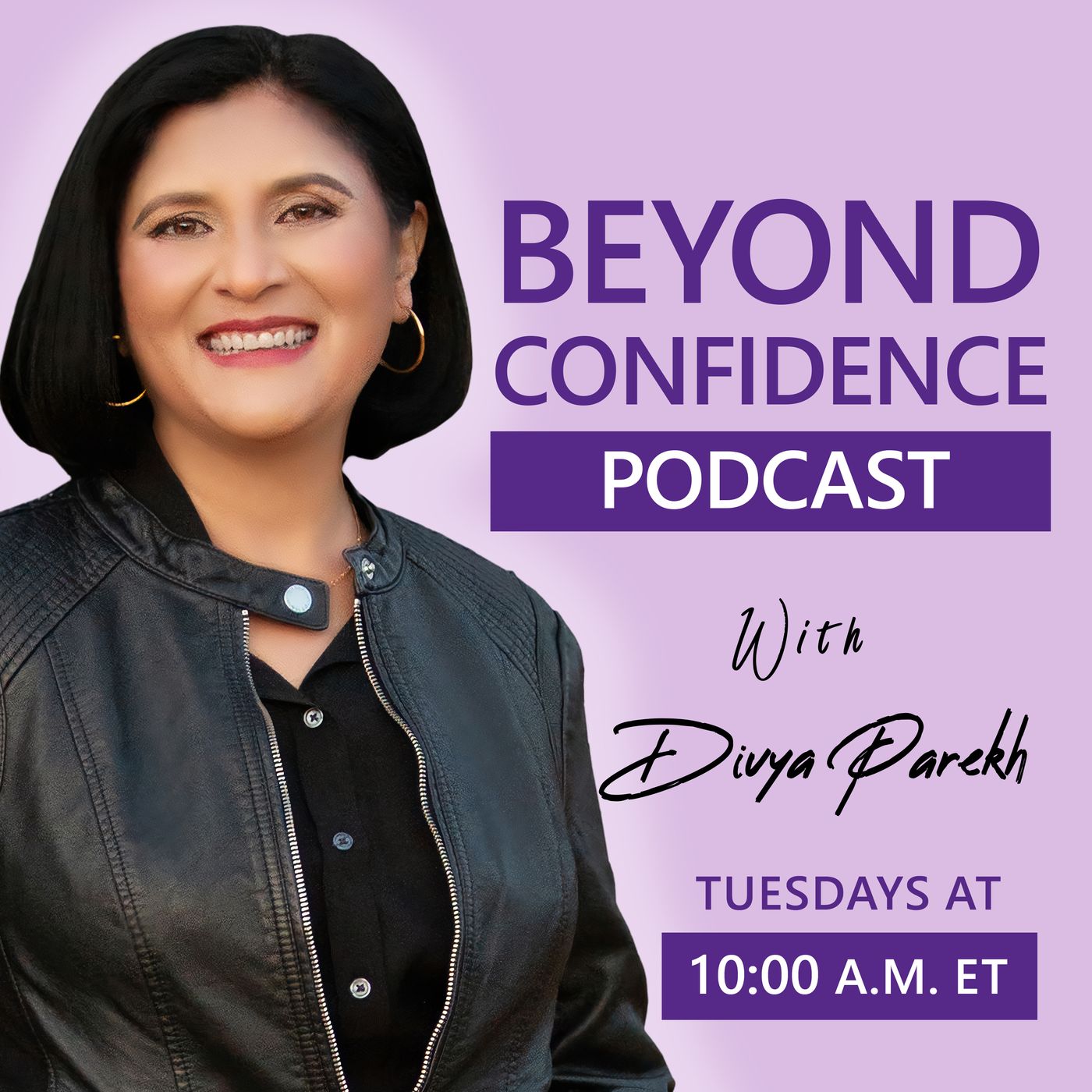
Are you struggling to stand out and earn the trust of today’s savvy buyers? Join Divya Parekh and Marcus Sheridan as they dive into the proven system behind Endless Customers, revealing why trust is the ultimate currency for growth in an AI-driven...
 iHeartRadio iHeartRadio
 Spotify Spotify
 Youtube Music Youtube Music
 Amazon Music Amazon Music
 Apple Podcasts Apple Podcasts
 Pandora Pandora
 Audible Audible
 Podchaser Podchaser
 Audacy Audacy
 Spreaker Spreaker
 Deezer Deezer
 Podcast Addict Podcast Addict
 JioSaavn JioSaavn
 TuneIn TuneIn
 Castbox Castbox
 Castamatic Castamatic
 Castro Castro
 Fountain Fountain
 Goodpods Goodpods
 Overcast Overcast
 PlayerFM PlayerFM
 PocketCasts PocketCasts
 Podimo Podimo
 Podurama Podurama
 Podverse Podverse
 Podyssey Podyssey
 RSS Feed RSS Feed
 YouTube YouTube iHeartRadio iHeartRadio Spotify Spotify Youtube Music Youtube Music Amazon Music Amazon Music Apple Podcasts Apple Podcasts Pandora Pandora Audible Audible Podchaser Podchaser Audacy Audacy Spreaker Spreaker Deezer Deezer Podcast Addict Podcast Addict JioSaavn JioSaavn TuneIn TuneIn Castbox Castbox Castamatic Castamatic Castro Castro Fountain Fountain Goodpods Goodpods Overcast Overcast PlayerFM PlayerFM PocketCasts PocketCasts Podimo Podimo Podurama Podurama Podverse Podverse Podyssey Podyssey RSS Feed RSS Feed YouTube YouTube
Are you struggling to stand out and earn the trust of today’s savvy buyers? Join Divya Parekh and Marcus Sheridan as they dive into the proven system behind Endless Customers, revealing why trust is the ultimate currency for growth in an AI-driven world. Discover how you can adjust your mindset, build a brand that buyers believe in, and create a business that never runs out of customers. It’s imperative to tune in—you won’t want to miss these game-changing insights!
Beyond Confidence is broadcast live Tuesdays at 10AM ET on W4WN Radio - Women 4 Women Network ( www.w4wn.com ) part of Talk 4 Radio ( www.talk4radio.com ) on the Talk 4 Media Network ( www.talk4media.com ). Beyond Confidence TV Show is viewed on Talk 4 TV ( www.talk4tv.com ).
Beyond Confidence Podcast is also available on Talk 4 Media ( www.talk4media.com ), Talk 4 Podcasting ( www.talk4podcasting.com ), iHeartRadio, Amazon Music, Pandora, Spotify, Audible, and over 100 other podcast outlets.
Become a supporter of this podcast: https://www.spreaker.com/podcast/beyond-confidence--1885197/support .
0:00 The topics and opinions expressed on the following show are solely those of the hosts and their guests, and not those of W four WN Radio It's employees or affiliates. We make no recommendations or endorsement for radio show programs, services, or products mentioned on air or on our web. No liability, explicit or implied shall be extended to W four WN Radio It's employees or affiliates. Any questions or common should be directed to those show hosts. Thank you for choosing W four WN Radio. This is Beyond Confidence with your host d W. Park. Do you want to live a more fulfilling life? Do you want to live your legacy and achieve your personal, professional, and financial goals? Well? Coming up on ZVO parks Beyond Confidence, you will hear real stories of leaders, entrepreneurs, and achievers who have steps into discomfort, shattered their status quo, and are living the life they want. You will learn how relationships are the key to achieving your aspirations and financial goals.
0:52 Moving your career business forward does not have to happen at the expense of your personal or family life or vice versa. Learn more at www dot Gvpork dot com and you can connect with tv ants contact dants gvpark dot com. This is beyond confidence and now here's your host, g w Park. Good morning listeners. It's Tuesday morning, and. Of course I'm excited to be here. Especially more excited because I was traveling. I was in New York for some business travel and then I'm back and it's always. Wonderful to connect with you. So I want to share the kind of story. I was visiting friends and family and a few clients. So like, I was at a friend's place and this gardner came in and you know, he's been working at the place for quite some time, but he knocked the door and tells, my friend, listen, somebody has broken your lives in your driveway.
1:59 So so just taking that moment and sharing it with her, you know, as to what it was going. You know, he could have moved the lawn been down and gone and she wouldn't have known. I mean, it's not a big deal, but still that tiny little thing paying attention and helping someone out is so important. So keep the kind of circle going. Take out time from your busy life, whether it is five seconds or five minutes, help someone out with no strings attached, and also thank you to each and every one of you who have got her books Entrepreneurs, got an Expert, to Influencer, or any of the other books that I've written, And I want to encourage you and invite you to get the books if you have not, because I can share with you based on our readers reaching out to you.
2:54 They will be a huge help spread the message. And also the partial profits from the book go to Kiwa dot org to be helping all around. So let's welcome our guest. Did you good to see him? Good to see you? Welcome Marcus. So we start out from a moment in your childhood or youth. Do you have a moment or a person who left a positive mark on you from that time? I certainly think there's there's been a few I would point out here, though probably my mom had a big influence just because we you know, she grew up. She her and my dad were separated early, so I watched her have multiple jobs early on in the effect that that had on her, I mean talk about grinding. She was probably doing sixty five hours a week legitimately for much of my childhood, just running herself in the ground and trying to pay off whole debts really taught me a lot about the debilitating effect of debt on a family.
4:06 As one of the reasons my parents divorce was because of the financial arguments that they had, right and then watching my mom try to raise two sons without really much financial support at all and working multiple jobs physically exhausting herself, but that's all she knew right how to do and just had had a lasting impact on me to this day. But I would say I'm very adverse to debt today just by watching how it affected my parents early on. Yeah, I know, and it's hard because money can be a divider, especially in family. So thank you for sharing that, and kudos to your mom. You know, would like to recognize her for all the efforts she put in and got you going, and you know.
5:01 She made it work. She made it work, and you know, she's got two sons today that have done really well. Right, So it's just one of those things where she didn't you know, at least she's able to see the fruit of her labor. And I'm sure in the moment it felt quite difficult, but that's oftentimes you know, how it works anyway, just in business, too. Is like the old phrase, we often overestimate what we can do in a year and underestimate what we can do in ten. And I think the same thing applies to its parents. We don't always realize the impact that we've made in the short period of time, but you look at them in terms of what they become and it's like, wow, eat it pretty well. Yeah, it's congratulations on your success, because especially for a mom who went through all that to see her sons thrive and be successful, there's nothing more powerful than that for a mom, or for an impairent for that matter.
5:57 So as you grew up, you did have this i'm a zooming that you had the desire to succeed. And how did that drive you in your youth? I will you know what benefitted with me is I was very involved with sports as a kid, and just partly because my mom she was the uh she was the leader of the local recreational department, right, so so she was doing that, which meant I was in all the sports, or I was refereeing the sports, or I was just I was involved somehow, and or I was working with some of the kids. As I got older with it, but by the time I was in high school, I was playing three sports. I was the captain of all three of those sports. And it's funny how you really learned to lead a team early on within the athletics arena. The same principles apply later on in life.
6:54 You know, you can have, you know, a company with fifty employees. It's really not much different than than leading a you know, a baseball or football team back in the day's just saying concepts, right. You got to learn how to talk to people. You got to learn that each person is individual in the way that they are moved and motivated. Got to speak to them in their language right, and you just got to find creative ways to keep everybody on their feet. But that was really that was the big I think catalyst for my life in many ways to become what I am is the athletics background.
7:34 I'm a strong proponent of sports not only brings that camaraderie, not only builds that spirit of being a sports person and learning early in life that life is not fair, you know, not every time things are going to go your way. Well to your point, I think we protect our kids too much from failure at this point as a society, and you know, the great thing about sport, especially if the parents don't intercede too aggressively, is that they are going to They're going to fail, oftentimes more often than they succeed, especially if you're you think about baseball. You know, the greatest baseball players in the world hit the ball three out of ten times at that right, three out of ten times, So that means seven times you fail, three times you succeed. That makes you a Hall of Famer.
8:27 Absolutely, And it's like, you know, like you're talking about baseball, I'm a Yankees fan and Don Mattingly and it's long time back and all that, but still you see them practicing. And that's the beauty of athletics that it's a journey. That glory is short lived, and we work towards that. So it's important to also pay attention and enjoy the journey rather than just be in that moment of destination and find that it's gone. Yeah, it's yeah, because there's seasons of life, right, they're leading and the older I get today, I'm forty seven, and you start to see, you know what those seasons are like. And I've got four kids, myself, got a grandson now, Also it's like, you know, and it's just wild how time does pass by. What's weird though, and I'm sure listeners can relate to this. You don't feel like your mind is really getting older. I mean, it might get wiser, your body might feel older, but your mind feels essentially like it did when it was twenty years old. You're like, I don't know, understand, how's this all happening. This is the way, that's the way it was all designed, which is pretty beautiful and fascinating at the same time.
9:40 You're absolutely right. Like my dad in his eighties, he learned, you know, I think so he was in seventies or eighties, I don't remember. He learned to use the computers. And he always said, like I feel like, you know, I was in college, and so we definitely feel from inside that eternal youth. It may not show, but it's there. So as you kind of like, you know, grew up. Which direction did your career take? Well, it's funny and I when I graduated college, I was working in the DC area. Didn't like my job, came back home to what is a rural part of Virginia called the Northern Neck of Virginia. And my two buddies had just started a swimming pool company called River Pools, and they asked me to run the retail store. They had a little retail store while they were installing pools out in the field. And so I said, okay, until, you know, until I figure out what I'm going to do with my life, I'll go ahead and do that.
10:38 And what was interesting is within a couple of months they said, would you want to become a business partner? And I never dreamt growing up that I would be a pool guy growing up, but that's exactly what I became in my twenties. And by the time two thousands, those two thousand and one, two thousand and eight, we you know, we're fighting to grow the business. Two thousand and eight comes around, the market collapses and we have pretty big crash, and a lot of people remember this that we're in business at the time, and it looked like we were going to file bankruptcy. But the good thing about pain and suffering is it forces us outside of our comfort zones, right, and then we have essentially, you know, it's that yolo mindset of you know, you've got nothing to lose and you only live once, so might as well just send it. And that's when I started to really learn about today's buyer and things like the Internet and marketing and just looking at the world differently.
11:33 And as I learned all these new fancy phrases like inbound marketing, content marketing, social media, stuff like that, what I heard in my simple pool guy mind was, you know, Marcus, if you just obsess of your customers questions, worries, fears, issues, concerns, and you're willing to address those online on your website, you might save your business. So I said to my two business partners at the time, I said, we're going to become the best teachers in the world when it comes to in our case, fiberglass whining pools. And so that's exactly what we did through text and video. Every single day I was addressing through articles and videos on our website and online the questions that I was getting. And to make a long story short, we became the most traffic swimming pool website in the world within the next two years, and it exploded so much that I started to write about what we were doing. And as I wrote about what we were doing online, I started getting companies say, hey, can you teach me how to do that, and then folks said, can you can you speak about that at our conference? And it led to this crazy, crazy life as full time speaker. I have an agency now today, but I still have the pool company, And it's amazing how how I never dreamt of being a pool guy, but being a pool guy is the thing was the catalyst to have all these other wonderful components of my life. Today. I'll go to you know, I'll be speaking in Europe or something like that. Somebody will come up to me and they're like, you're that pool guy right that I read about online? Yeah, that's exactly that's exactly right. What's funny though about that? Dibya
13:04 is kind of like a powerful thing, I think in terms of identity. When I started as a pool guy, and I was in my early twenties, I had a family member at some family event come up to me and they said, hey, Marcus, I heard you're going to be a pool guy. And I said, yeah, yeah, yeah, that's what it looks like. And she said, wow, what a waste. And I thought, oh, geez, really is that what this is about? And I learned how people put a value on positions and titles. And what's really fascinating is some of my most successful and most fulfilled friends and acquaintances today might not have a title that is really like revered in society, but yet they've got.
13:56 All the things. They check every box in terms of you know, maybe it's a very successful business and you know, financial peace and wellness, they've got their health. But yet they might you know, own some septic tank company. Yet they're just doing incredibly, incredibly well. That's why I'm pretty passionate about the trades today, is is because the perception out there is is oftentimes it's it's off track, you know, for variety of reasons. Yeah, and actually trades is going to be the people now, especially artificial intelligence. Oh they're going to see your renaissance, no question, no, no question, it's going to see you know. For It's isn't a while that four years ago the number one, like most safe in demand job in the world was software engineer. And today if you listen to any of the AI experts are saying that, you know, you're not going to for the most part need the majority of software engineers in the future because of the fact that you know, because of things like no code, and because of AI and the fact that most code is going to be written by AI, over thirty five percent of all code right now is written by AI. That number is only going to grow, So things change very very quickly.
15:14 My son is an electrician. He's twenty one years old and he did not go to college. But he's obsessed with learning. That's all I really care about, right. Mark Twain once said, never let your school and get in the way of your education. And I think education comes in a multiplicity of forms. There's certainly not one road for everybody. But you know, he's twenty one, he's got no debt, he's making about six figures a year right now, and he's off to the races, and how is that not a beautiful thing? And he's going to be quite secure in his job for a long long time and very much in demand. I taught him. I was like, the world can say what the world says, but you need to follow where you feel like you can become the best version of yourself, whatever that is. And you know, he found a lot of joy with building things as a kid. That wasn't my but that was his thing.
16:01 And I didn't try to make his thing my thing or my thing his thing, and he started working as an electrician part time at fourteen years old and full time by sixteen, and you know that's where he used Today he runs a crew twenty one years old. Oh that's amazing because as you were talking about, you know, thirty five percent of the code being written by AI. And also there are companies like Shopify. Shopify CEO said that you want I think so Tobya. I don't know how to pronounce his last name, but his internet. Memo was leaked out on Yeah, you're required that. You know before you ask for more headcount and these were his approximately the similar words that before you ask for more headcount, the teams must demonstrate why AI cannot do the work that they're asking for them. I think so warmly said that I expect thirty percent growth in every employee using AI.
17:00 So that's leadership, right, That's that's leadership, and that's you know, there's a lot of leaders right now when they look at AI, they're baring their head in the sand and they're saying, well, I don't like it, or you know, what about this? What about that? And I think they've forgotten why they signed up to be a business because you signed up. When you become an entrepreneur, you're essentially saying I'm going to meet the market where the market is. I'm not going to say, well, that's not my thing, and so I'm not going to do it. It's no different than like a really simple example. And I talk a lot about like video on some of my content alge in my books. Nobody has ever gone to a website before and said, boy, I really wish I could watch a video about this, but there's none here. But I'm sure that the owner of this company is just nervous on camera. So I'm going to give them a pass.
17:54 I'll call them on the phone instead. It's just not how it works. They want to see the thing. The buyer cares about the buyer. The market cares about the market, and they certainly don't care about our opinions. So I learned a long time ago as a business owner to not allow my personal opinions to screw up really smart business decisions. I don't personally like Facebook and Instagram personally. Do I use them for my businesses? Yes? Do I teach other businesses how to do them? Yes? Why because that's where the market is, or at least some of the market or LinkedIn or YouTube or whatever, the thing is right, and so we have to be very very careful about that. I'm sure you've seen this yourself as well. Do because like you constantly see these folks saying, well, that's just not really my thing. Oh, your thing needs to be meeting the market where the market is, that's business one on one.
18:44 Well, you're absolutely right on the mark. Most people are like, I'm not comfortable with this, I'm not doing it, and here's the thing. Market is not going to wait for you. Nope. As we were talking about AI two and a half years back, I don't an early adopter for most of the things, and I jumped into it. So now I'm not terrified of it. I mean, did I go through resistance and fear and all that. We all do. So now you talked about Facebook and Instagram and people being afraid, so we can talk about businesses. But businesses are run by people. So you talk about that. There are some crucial signals for businesses. Can you share what are those and how can companies create those?
19:28 Yeah, So if you look at what's happening today, it's really interesting for the better part of the last twenty five years. As organizations, the way we generated business, we had to essentially be recommended by two parties. Number One, we had to be recommended by customers by people. Number two, we had to be recommended by search engines. And that manifested itself through either SEO or through paid ads. That's been the last twenty five plus years, right, And you could build a wonderful business on that. But suddenly, as most listening to this no Oh November twenty twenty two, we see chatch Gypt, everything starts to change. And I know you saw this quickly divida but I saw it as well, which was okay. So you're going to give me a great answer to my question and I don't have to click on a blue link to get that answer.
20:15 And if you think about what's happening today, so many companies and organizations right now are saying, I'm spending more on Google Ads than I've ever spent, I'm getting less results. I'm seeing less traffic to my website from let's say, SEO than I saw before. And I'm concerned. I'm worried, Well, that trend line is going to continue because you're going to see more people that are shifting over from using Google as their traditional means of researching companies and reaching out to businesses to going to AI. Why because if you go to AI today, if you're using chatch Gypt, they're not going to show you show you sponsored searches. You don't see a single sponsored search. So there's there's there's literally it's a straight line to the answer that you're looking for. And what do we want as buyers consumers?
20:57 We want to get the best, most specific, relevant answer to our question as quickly as possible, whereas Google is going to show you a bunch of stuff and also some search results. And so this is why you're seeing so many people shift over. And so if you build your house on Google today, there's a very good chance that you're going to be in trouble tomorrow. And listen, I wrote, they ask you answer a book that is all about how to dominate on Google. And I'm the guy that's like saying, one of the people that's saying, hey, this is not your future. And so if that's the case, and you need to be recommended now by AI, because you know when AI started for you and I, it's like a couple of years ago it was mainly a creation tool, but now it's very much a recommendation tool as well. We're vetting companies and businesses and whatever brands by using AI. And so what makes AI say, hey, you should talk to this company. Well, they're trust signals, trust signals that are essentially sent out by two parties, either by your company or by people that they're discussing your company. So you have to create trust signals. What's a trust single? Any piece of comment that's out there about your organization is a trust signal. So if it's videos, if it's articles, if it's social media, if it's reviews by other people, rights, if it's statements about you, whatever that thing is, that is a trust signal. And there's certain ways that you can drive more trust. There's certain types of signals that search engines love, AI loves, and unfortunately most businesses don't want to talk about. And so
22:27 in my newest book, Endless Customers, I lean hard into these signals and how can you become the most known and trusted brand in your market? Because the one thing I'm sure of is that Facebook is going to come and go, Instagram's going to come and go. YouTube, is going to come and go. Google's going to come and go, Chat, GBT is going to come and go. They're all platforms. What's not going to come and go is the importance of trust and its impact on your business. And if you always build your strategy around how you can become that most trusted brand, well then there's a very good chance you're gonna be able to last, regardless of whether it's five years or ten years or twenty years down the road. And so if you're not doing things today that make you that choice trusted voice with humans, with a guy with search engines, well then there's a very good chance that you're being left behind.
23:25 Yeah, that's a very good advice because, as you said, a lot of people are being an Ostrich because Ostrich is known to marry its head. Yeah. Yeah, yeah, we talk about that, you know, I talk a lot about the Ostrich and how we're afraid to address certain things. And in the book I mentioned four pillars of a known and trusted brand, and they're essentially the antithesis of the Ostrich. Right, So the Ostrich one has a problem, it buries its head in the sand because it thinks the problem is going to go away, which, by the way, it's a total myth, but it's visually very very effective, right because oftentimes I'll say to company, are you being the ostrich right now? Or are we going to do what it takes to become that voice of trust? Like we have to make a choice right now.
24:07 And so. One of the pillars, one of the core pillars of a known and trust a brand is saying online what others aren't willing to say. In your space, say what others aren't willing to say. And if you think about that one somebode might say, well, what do you mean by like say okay? And this is also the second pillar too, very much related to it, which is show what others aren't willing to show with video. But there's essentially when it comes to the way people buy stuff, the way we research, there's five subjects in particular that we always tend to research when we're looking to make a buying decision. This is B to B, B two C. It's a small business, this is enterprise. It doesn't really matter.
24:48 So what are the five things that we always research as buyers as consumers. Number one, we want to understand cost. We just really want to feel like very clearly. We understand pricing and that we're not going to get ripped off. Cost is number one. Number two we want to understand problems slash objections. We want to know what could go wrong? How could this blow up in my face? Right? So it sicially fears Number three. Number three comparisons. We love to compare stuff online. I mean, think about how many times you've compared one thing versus another thing online? We love to do that. Number four reviews. We're like obsessed with reviews. The thing about reviews, you guys, we just don't want the good reviews. We want the good, the bad, ind the ugly. If somebody doesn't have any one star reviews or negative reviews, it actually makes us a little bit worried, like something's wrong here. And then finally number five best, best, most, top, Like, how many times have you searched best plus another phrase online? I mean that happens time. So cost, problem, comparisons, reviews, and best.
25:43 Here's what's crazy. Those subjects run the economy of search. Those are the subjects that are dictating whether you get leads or not. Those are the things that people are searching in Google, The things that they're searching in AI, and those are the things that most businesses don't want to talk about online. And if you want to become the voice of trusting your market, you have to be willing to talk about those five things. And obviously in the book, you know, I teach you how to talk about those five things, and everybody, of course wants to say, there's no way I can talk about that. I can't talk about costs, Marcus, because every job is different and it depends, and we tend to be more expensive, and we're going to scare them away. I mean, there's all these things that people say. I'm telling you, we've got the data on this, and you do not want to ignore the most fundamental questions that people have when it comes to your product or service, one of which is roughly, what's this going to cost me?
26:30 Mm hmm. Yeah, that's such a powerful question. And you also talked to recently just now about like, you know, showing your audience what others are not willing to show with videos, and there's you know, YouTube shorts, there are like long videos like it keeps on changing. So what would your advice be to the companies or to entrepreneurs. Yeah, this is one of those things. Video is such a massive, massive deal. I'll say something here that I think will scare people to death, but I feel like it's my responsibility to be honest always, and that is there's a pretty solid chance within the next five to ten years that your YouTube page is much more important than your web page, your website, and a lot of companies can't even fathom that right now. But if you look at where the world is headed, it's very much headed in a videocentric direction. I actually believe the rise of chat, GBT and some of these other AI based search engines are going to lead to also a rise in YouTube. YouTube could be Google's number one revenue generator within a few years, just based on just based on where the market is headed. And so if that's the case, are you really putting emphasis on video? Because this is what people want to see it to believe it, and they want to feel like they have fully vetted it.
27:48 More and more people are visual learners. This is just where a brain is going. And it's one of those things where you have to start thinking as an organization like a media company. And that's one of those statements folks are like, really, I didn't sign up for this. I know, I know, you didn't sign up to become a media company, but that's where the world is now headed and you need to go with them, or again, you're going to be left behind. Right. You can't expect to be sending, you know, faxes from your fax machine to your customer base and get the reach that the person that's sending email is going to have. It's just doesn't work like that, and so we're gonna have to evolve and video is a place to do it. Most companies at this point that are doing at least a couple of million dollars in sales should have a full time videographer that works on staff. I mean, that's the way that you should be thinking. Now some of you are, you know, like, well, Marcus, I'm much smaller than that. Okay, well now you're the videographer. But yeah, you have to be doing video because people buy from those they know, like and trust. They want to see your face. It makes you much much more human. And that's where we're going.
28:50 And there's a difference, a very big difference between just stating something in text online versus showing it improving it in video. They are just nine and day difference. That's what makes you much much more believable and certainly more transparent as well, and that's what causes people to say I trust you enough to buy from you. That definitely makes sense because all right, let's say you even whether you're a CEO or a small entrepreneur, your product could be the best. But as you talk about, like you know, being willing to be more human than others, especially in the world of AI, like you know, so many people are putting in avatar videos, even ads created by AI, so in that showing a little piece of you know, who are you as a human being? Why would they like you? And a lot of people are hesitant about putting in those kind of videos. So do you think, like in terms of products, also, like you said, like you know, showing that proof that explainer videos work really.
29:48 Well, Oh my goodness, yes, I mean anything that you can do. Listen, if you're a CEO, if you're a business leader, right now you've got to get from behind the desk and from behind the camera. You got in front of the camera. Because one thing that isn't going to change, that is clearly a principle of truth at this point is people buy from those they know like and trust and yeah, it's like, you know, look at this like pod that you're doing diivious Like a lot of people do business with you because they heard about you here. They develop a relationship with you on here. They like your energy, they like your vibe, and they're like, I want to I want to work with her. If this was you know, if this was if you didn't do any video, or if people couldn't hear your voice and they were just just reading your words, the relationship would be different. So you have a very human element about you with your brand that resonates with the market, and because of that, the market has responded and allows you to have successful business. This is all of us.
30:44 And so if you, as a business leader, aren't thinking of ways to show your face more. And by the way, this doesn't mean that you're posting photos of your family. You don't have to do that. I mean one of the biggest advocates of social media in the world is Gary Vaynerchuk. I don't know as kids look like. I don't know anything about his family because he doesn't show his family, but he shows himself a lot and that benefits his brands, right and so the moral of the story is he had to Once again, there's common theme here. We got to get over some of our personal opinions. We've got to put ourselves out there. Another simple example of this, I talk about this in Endless Customers is like listen, one to one video with email is so simple, so easy, it costs literally nothing, and most salespeople are sending just tech tech space email today. It doesn't make any sense to me, Like if I've got an appointment, If you talk to any of my sales team and they have an appointment sales appointment with you, beforehand, they're going to send you a video. They're gonna introduce themselves.
31:45 You're gonna see their face, you're gonna hear their voice. You're going to get to know them on a personal level before you ever talk to them on the phone, before you ever see them on camera, before they ever walk up your driveway to you know, selling your home or whatever that thing is. That's the way to do it. Yet most companies aren't thinking like this. I mean, it's amazing to me how backwards we are in terms of humanizing the sales process. And listen, I'm all about using technology, but you can use technology and humanize your business, your brand, your people even more so. But you gotta get in front of the camera. It's not going to happen otherwise. And you don't want to be using just a dang digital avatar, which I mean, I'm I've written about them, I wrote about them in the book, but you need to be showing your face out there as well.
32:37 Absolutely, I totally agree with you. Now, there are a lot of questions in a lot of my clients will ask me, I'm not in this video person or anything like that. So the question I get from several of my clients is that, like, oh, you know, people say that you know, you've got to be personal, but you give a very good example of Gary Vee. So sometimes you know, they say, go, I could just be walking down the street and taking a. Video and I'm. Putting it on LinkedIn, Like is that unprofessional? So if you can answer that question, you know, that would be great because when you're showing your personal side, don't have to show your family, don't have to show you're going for many patty or you're going for like this best barber or haircut, but showing some of your personal element.
33:23 What are your thoughts on that. It's very fascinating to me whenever I post something, how just like what people notice if you follow me on LinkedIn. I'm a pretty good follow on LinkedIn. I'm very active over there, four to five posts a week. I put my best stuff on LinkedIn. I do a mix of photo plus video plus text. I mean, I do a full mix, and I don't hesitate to do a video spur the moment. If I'm just outside and I've got a thought, I share it with my audience. You have to the thing about it. You got to understand about all this stuff. It's kind of like learning to walk.
34:16 You don't get it the first time. It's clunky, and you have to embrace the messy that comes with it. A lot of people just don't want to embrace the messy that comes with developing a brand voice. You want a personal brand and you want a company brand. But I can tell you personal brands are much stronger than company brands. If I said to this audience right now, do you know who Kylie Jenner is? Everybody would say, yes, I know who Kylie Jenner is. I've heard of her. If I said, do you know the name of her? Makeup line. Many people would say, I have no idea it's a billion dollar makeup line, and they don't know.
34:59 And I say that because I don't even know what it is. But I know Kylie Jenner. You see what I'm saying. Now, somebody might say, well, that's that's Kylie. No no, no, no no. That is the psychology of the way that it works. You can go down the list of companies. Richard Branson is much more known than his brands, and this is possible. You know, It's like Steve Jobs was bigger as a as a, as a like a from a social perspective than was Apple at the time. And people want to know what does Steve Job say? Not what does Apple say? What does Steve Job say? And so we're entering an era where thought leadership, individual thought leadership matters a lot. And this is especially true with leaders of companies. And again I know a lot of folks that I just didn't sign up for that. Well, meet the market where the market is. And you've got something to say, learn how to say it in your own way. Maybe it's driving down that. Maybe you know you're shooting a video in the cars you're driving, whatever, the video. You know, maybe you're in your bedroom or maybe you're in your office or whatever it is, but there's a style that would work for you. You just have to be willing to get from point A to point B and in between. There there's this bridge of clunkiness that you got to figure out. You're going to figure it out. It's so different than if you look at the content that I wrote on my swing pool site in two thousand and nine. The first the first articles let's say that I produced. You just said, dibia like, dude, Marcus,
36:32 you're just not a very good writer. This is probably not your thing. And then if somebody reads my books today, they might say, Wow, you've got a nice style about the way that you writer. Oh, you seem like such a natural writer. Yeah, we're a couple of million words into it by this point, y'all. This is like if you watch my early videos, just I'm sure it's the same with you do. It's like, if you watch my earlier VIDs, you're like, man, video is probably not your thing. And today people are like, wow, you're really really great on video. I bet it just comes natural for you. It's like you forget this, like it's learning to walk and learning to run, you fall a bunch of times, you figure it out, and then all of a sudden one day you realize, holy cow, I'm actually pretty decent at this thing. That's how it works. Yeah, and I really love what you said, embrace the messy, because I'll tell you, like you know, I've got some of my books written, several books, my earlier books. Not proud of it. But have I taken that down? No, I've not taken that down because it shows the journey that and of course this is all pre chpt so I can clean. So I love what you said. It's about falling and the way I see this. You know, we're all work in progress. So what even if you mess it up?
37:38 Now you me up. We mess it up, well, we drastically overestimate how much people think about us, you know. About themselves and not thinking about you. I can tell you. That's right, that's right, and I tell you it is powerful though. It's like the moment you just let go of the need to please one hundred percent of your audience and say, listen, I'm not for everybody but my tribe. They're gonna find me just like as I've been doing this pod today. There's literally been a certain percentage of people that are like, I really love this guy, and then there's a certain percentage that you're like, uh, don't like him. I'm out. I know that that. Like literally that has happened over the course of this episode. Some people start off they didn't like me, and now they like me, all of which I am completely okay with.
38:34 See that just say that makes some people say, Oh, that almost feels uncomfortable. No, it's totally comfortable to me because I have accepted this is how we work as humans, and I'm constantly putting myself in front of audiences knowing that a certain percentage isn't going to like me or I'm not going to resonate with them. I'm okay with that because I also know that there's another percentage that I'm going to your life, and that's what I'm here. For, absolutely, And that's what makes a brand trustworthy, and that's what makes the brand authentic because a lot of people talk about authenticity. So tell us, you know, you have given us some very valuable nuggets. So thank you, Marcus.
39:19 Tell us how people can connect with you and how can they reach you? Tell us about your books. Yeah, well, I appreciate you asking that, Diviya. So I a couple of things. If I would start with Endless Customers, which is the new book. That's if if you want to become the most known and trusted brand in your market, wherever your market is, whatever it is, that book was written for you. I think it's going to really resonate with you. I think you're going to love it. You can also find me on LinkedIn. I'm a really good follow over there, and I've got a company called Impact and you can find us at impact plus dot com. We help organizations implement this system of Endless Customers, and so if you're looking for a coach to guide you on that journey, and go to impact plus dot com.
40:08 And we've got a bunch of free content there as well. In factors there is for the book. There's a five hour course that I created on Endless Customers. It's a video course. It's free, and you can find it over there at impact plus dot com, which is pretty cool. If you just want to want to watch me, you know, give the whole book, not read it, but like just riff on it for five hours in different sections, different chapters. I hope you'll check it out because it took a little at time, but it's helpful to people very much. I'm sure our audience is going to find a lot of value in what you're sharing, and just based on the nuggets you have given us, I'm sure that you know you all will enjoy Marcus's books, so check it out and see how it can help you, because we are all selling something, entrepreneur or not. So thank you Marcus for joining us.
41:06 JABE is my pleasure and appreciate you, appreciate your audience and you know, love love your subject matter, and so hopefully this was you know, a positive for those that were listening today. I'm sure, so thank you Marcus. Thank you wonderful audience, because the show would not be possible without you. So reach out to us. Let us know what experts you're looking for, what strategies you're looking for. We're here to serve and support you and help you live the life you want and you deserve. And thank you one for making the show technically possible. Be well taken and I'll see you next time. Thank you for being part of Beyond Confidence with your host d V Park. We hope you have learned more about how to start living the life you want. Each week on Beyond Confidence, you hear stories of real people who've experienced growth by overcoming their fears and building meaningful relationships.
41:59 During Beyond Confidence, Vpark shares what happened to her when she stepped out of her comfort zone to work directly with people across the globe. She not only coaches people how to form hard connections, but also transform relationships to mutually beneficial partnerships as they strive to live the life they want. If you are ready to live the life you want and leverage your strengths, learn more at www dot dwpark dot com and you can connect with vat contact at dvpark dot com. We look forward to you're joining us next week.


