
Vision to Venture

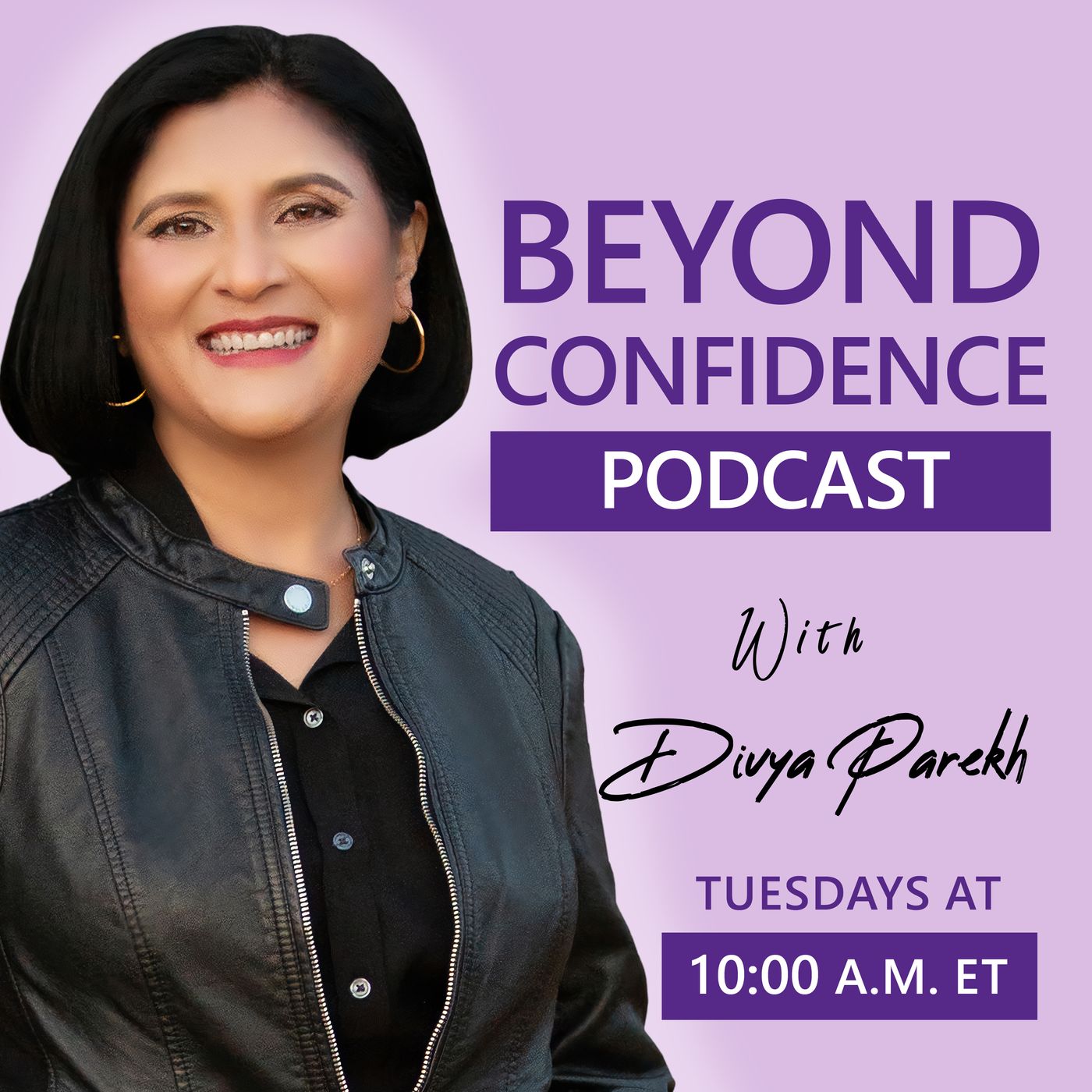
Join Divya Parekh and her guest David Wagstaff, an innovative social impact leader and the founder of Eprenz, a global community of 125,000 entrepreneurs tackling critical global issues. This episode delves into the unique, stage-specific challenges...
 iHeartRadio iHeartRadio
 Spotify Spotify
 Youtube Music Youtube Music
 Amazon Music Amazon Music
 Apple Podcasts Apple Podcasts
 Pandora Pandora
 Audible Audible
 Podchaser Podchaser
 Audacy Audacy
 Spreaker Spreaker
 Deezer Deezer
 Podcast Addict Podcast Addict
 JioSaavn JioSaavn
 TuneIn TuneIn
 Castbox Castbox
 Castamatic Castamatic
 Castro Castro
 Fountain Fountain
 Goodpods Goodpods
 Overcast Overcast
 PlayerFM PlayerFM
 PocketCasts PocketCasts
 Podimo Podimo
 Podurama Podurama
 Podverse Podverse
 Podyssey Podyssey
 RSS Feed RSS Feed
 YouTube YouTube iHeartRadio iHeartRadio Spotify Spotify Youtube Music Youtube Music Amazon Music Amazon Music Apple Podcasts Apple Podcasts Pandora Pandora Audible Audible Podchaser Podchaser Audacy Audacy Spreaker Spreaker Deezer Deezer Podcast Addict Podcast Addict JioSaavn JioSaavn TuneIn TuneIn Castbox Castbox Castamatic Castamatic Castro Castro Fountain Fountain Goodpods Goodpods Overcast Overcast PlayerFM PlayerFM PocketCasts PocketCasts Podimo Podimo Podurama Podurama Podverse Podverse Podyssey Podyssey RSS Feed RSS Feed YouTube YouTube
Join Divya Parekh and her guest David Wagstaff, an innovative social impact leader and the founder of Eprenz, a global community of 125,000 entrepreneurs tackling critical global issues. This episode delves into the unique, stage-specific challenges entrepreneurs face and the bespoke solutions that Eprenz provides to navigate these effectively.
Listeners will learn how to confidently maneuver through the entrepreneurial journey, making strategic decisions that lead to success.
Beyond Confidence is broadcast live Tuesdays at 10AM ET on W4WN Radio - Women 4 Women Network (www.w4wn.com) part of Talk 4 Radio (www.talk4radio.com) on the Talk 4 Media Network (www.talk4media.com). Beyond Confidence TV Show is viewed on Talk 4 TV (www.talk4tv.com).
Beyond Confidence Podcast is also available on Talk 4 Media (www.talk4media.com), Talk 4 Podcasting (www.talk4podcasting.com), iHeartRadio, Amazon Music, Pandora, Spotify, Audible, and over 100 other podcast outlets.
Become a supporter of this podcast: https://www.spreaker.com/podcast/beyond-confidence--1885197/support.
0:00 The topics and opinions expressed on the following show are solely those of the hosts and their guests, and not those of W four WN Radio It's employees or affiliates. We make no recommendations or endorsement for radio show programs, services, or products mentioned on air or on our web. No liability, explicit or implied shall be extended to W four WN Radio It's employees or affiliates. Any questions or common should be directed to those show hosts. Thank you for choosing W four WN Radio. This is Beyond Confidence with your host w park. Do you want to live a more fulfilling life? Do you want to live your legacy and achieve your personal, professional, and financial goals? Well? Coming up on dvparks Beyond Confidence, you will hear real stories of leaders, entrepreneurs, and achievers who have stepped into discomfort, shattered their status quo, and are living the life they want. You will learn how relationships are the key to achieving your aspirations and financial goals. Moving your career business forward does not have to happen at the expense of your personal or family life or vice versa. Learn more at wwdas don't divpork dot com and you can connect with vant contact at divpark dot com. This is beyond confidence and now here's your host, div Park. Good morning, listeners, It's Tuesday morning and wonderful to be here with you. So I was in Washington, DC for past few days, and this is something very interesting happened as we talk about the
1:30 circle of kindness. So what I saw was I was at a gas station filling up the gas and there was this one probably like a senior citizen and eighties something like that, and it seemed like her cordor was stuck. And then there was a young kid, probably twelve or thirteen years old, and he was also standing while his dad was filling up the gas. So he went up to the ladies cordoor and gently helped her pull it open. And when she stepped out, and the smile on her face and the interaction between the two was such a beautiful sight to see. So keep the kind of circle going. And if you have not purchased our books, be sure to get either the Entrepreneur's Garden or expert to influence her, because I can promise you those books will add a whole lot of value to your lives. And also it's a situation because you can increase your influence, you can build meaningful relationships. And also the partial profits from the book go to keep it dot org. So let's bring in our guests. Welcome David, Hey Devia, how are you doing today? How are you? It's good to have you
3:00 on the show. It's nice to be here. Thank you for having me absolutely. So tell us do you recall any happy moments from your childhood. I had lots of happy moments from my childhood. I tend to be a happy person to begin with, and so I tend to be optimistic, and childhood was wonderful. I remember like playing with my sister's dog. It was so wonderful. When she went off to college, the dog stayed with her in laws, and so I would go down there and walk and play with I walk to their house and play with the dog, and I was really wonderful. But maybe one that's relevant for entrepreneurship is the story of the lemonade stand. And I can tell that now or later if you'd like, Oh, please go ahead. Okay, So I'll start with a not happy moment, which is I just failed second grade and I wasn't the kid done all the sports teams, so you can imagine my confidence was not really feeling great.
4:05 You know, Layd in school wasn't doing great in sports. And then one summer day, my mom said, why don't you set up a lemonade stand on the street corner. And we lived on a really busy street corner. So I'm like, okay, I'll try that, and you know what, I had my first angel investor woo. My mom bought the es and she bought sugar, so she bought the supplies that I needed to start my first business. And you know what, I sold gallons and gallons of lemonade. Why not because I was the best entrepreneur at seven or eight years old, but because I was on a busy street corner, and so that made me happy. And it also all these people were coming to see me, which was I know, part of what you talked about on your program is networking and getting to know people, and people were stopping by to buy lemonade and it felt really really nice. So that set me up on a career for entrepreneurs because I was having success, even though it didn't really have to do with me. It had to do with the right location, which I hadn't chosen. It gave me happiness and fulfillment. So I went on to have multiple childhood businesses after that, and they also did well sometimes because of luck as well. Well. Tell us about those childhood businesses because there are so many parents out there who are thinking, oh, you know, we need to get our kids in sports, we need to get our kids in these all these extracurricular activities. And it's important that you know, recognizing where your interests and strengths of your child are. And look at you. You're
5:39 a driving entrepreneur right now, and just that support from your mom set you up for success. So tell us about those It really did, you know, because she was supportive of it, and then she saw I was succeeding, she encouraged more of it. So I had multiple women ade sands that summer. I went on to sell other things like Wacky pass If. Many people won't know what those were, but they were like trading cards and things at the time. And I did well at that and it was fun, it was thrilling. It was like a strategy of how do I sell more? Whims do I buy more of it'll sell in the marketplace, and that begins to actually to develop some entrepreneurial skills. Which thing is going to do better, which thing isn't. And even in the lemonade stand, I was learning things like marketing, like if I put a big sign up, you know it's a fresh lemonade, I sold more than if I didn't have a lemonade stand, if I gissed have the stand and not a sign. So I learned things about it. Other childhood businesses will tell one other story.
6:41 When I was in junior high, we lived with a family from Sri Lanka and the man worked at the store called seven to eleven. I guess I can say the brand names the stores here. And they had excess candy. It had been dented, it was near the expiration point or whatever. Brought home these big, big boxes of candy. They were as big as I was near, like I was a small kid, and you know, eventually it's like, what are you going to do with these huge crates of candy? Well, the answer was bring it to school and give it away. And so I would bring this candy to school and give it away. Well you know what that does. That begins to get you known in the marketplace as you're the kid that has candy, so I was known as the candy Man. Well, eventually, even though these carts were huge, I ended up selling out. Now I didn't have an unlimited supply because seven eleven wasn't willing to give us free candy forever. And so what I did is I went to the local store and I had a high enough volume of several hundred pieces a week, but I said, can I get a discount of my candy again, beginning to show entrepreneurial skills. And you know what they did.
7:48 First, you know, they liked supporting a young kid trying to sell something or whatever. And second way, I did have enough high enough volume with a few hunder pieces, so I don't remember what they gave me, you know, like five cents of for ten cents off piece of candy. But then I went to the ice cream truck and got a bigger percentage off, so I was almost thirty or forty percent off by candy. Went back to school and sold it and was selling lots and I had generated other kids starting businesses because they're like, wow, David's making lots of money selling candy. They tried doing it and eventually I learned about government regulation. When the school put me down, he accused me of stealing it, but I wasn't.
8:28 I was actually negotiating better than the other kids, and that's why I was able to undercut the other competition. And so again early days of entrepreneurship. But that's kind of how it starts again, the luck of the draw of getting free candy, which had me bring it to school, and then I developed a market, which again it was luck, but I began to see that there was a market there and began to learn how to negotiate that and sell more products. Wow. So that is very powerful because you know, it teaches us so many different lessons. And there are a lot of entrepreneurial programs for young kids as well nowadays, and back in the day they were not. So it's so important that if you see, again kind of stressing the point that if you see that your child is into it, then let them develop those muscles. So it sounds like, you know, you were developing already emotiating skills. You were developing what is it called the marketing skills and sales skills. So as you grew up, what made you stay with entrepreneurship. Well, again, it was giving me confidence at a time I didn't have it, and that actually did develop my confidence further. So eventually I actually did okay in school, went on for my MBA finance accounting in new venture creation because I had had an successes as a kid in this
10:01 and there was a strategic aspect that fit with my innate ability. It's like what you said, parents begin to develop the kid's abilities, right, And I did have some things for analyzing and problem solving, and I knew I kind of had interest in this space of how money worked and things like that. So that's when I went on for you know, the degree. And then when I came out of there, I wanted to work for really big companies because I figured, well, I need to see how big companies do it, what they do well, and what they don't do well. And then as I learned more about that, I became more interested in it. And then eventually about ten years later, I set up my first professional business and it did well as also. That's powerful. So you had lessons from the real life business from childhood, and then when you went to school, what would you say, like, you know, I'm going to school and getting a degree. How did it enhance your learning and your skill sets?
11:07 So interestingly, I think as you advance more in your education, it becomes more focused on the things that you need to do in that field. And so when I went on for my MBA financ acounting a new venture creation, I found that I learned I used all the skills I learned over the next ten years of my career. And that was interesting because when you're learning about operations or you're learning about logistics, you know, I had never heard of logistics when I was, you know, fifteen years old or twenty years old even, but you begin to learn about these things and it's like, okay, it's the transportation of products or services, and how has that happen? So over those years I did use things and even I'll give a story from a marketing class that I had an NBA school. I was I wanted to do really really well. I wanted to get straight a's, wanted to be, you know, like one of the top students, and this marketing class kept giving me trouble. I would work so hard. I would stay up until three or four a m. Writing the paper and trying to come up with the right strategy, and I was confident I had the right strategies, and I did a be on the paper, and I was so let down.
12:15 It's like, what did I want? I spent all this time trying to figure it out. I would submit the next paper a bet again, and I'm like, what happened here? And so I ended up having one of the other students in my one of my groups was a woman that was getting straight a's in this class, and so eventually I said to her, what are you doing? Can I see one of your papers to see how you're doing it? The interesting thing was she didn't have these long written narratives. She had beautiful images and very short, concise points. And what I learned is that marketing isn't about writing a twelve page story necessarily. It's about really delivering the point in a very crisp and concise way. And that's what you with skill that And so my next paper I emulated some of the things I learned from there. I had more graphics and imagery so that the teacher could see things, and sure enough I was able to get an A.
13:11 I didn't ace that class overall, because I'd had enough things where I wasn't succeeding in it, but I did okay in it. I did decent and I definitely learned that lesson that's become successful and useful for me as I build companies. You know, as I've built companies later, is that marketing really needs to clearly and concisely explain what it is that the product is about. Mm hmm. So tell us a little bit about your Johnny. You know, you have been in management. There are a lot of people who are in the corporate world and they're very hesitant as they want to transition out of the corporate world into entrepreneurship. So did you have a job or did you continue straight into the entrepreneurship So great question. So I mentioned earlier that I did work at some of the big corporates and I did well actually at the big corporations because I understood how to use my analytics skills to solve problems that sometimes other people weren't able to solve. That did multiple things for me.
14:11 One is it built some financial reserves because I was earning good income as an employee of a company. But it also built some of the confidence in skills and what it takes to succeed, and it did help me to see what worked and didn't work in larger companies. So eventually I decided to start my own business, which was a management consulting business, because that's the space I knew. I'd worked with pricewaterhouse and KPMNG in their management consulting division, but when I started that business, I didn't know how to BacT customers in the same way because my role wasn't primarily sales in the past. It was doing the consulting work in leading teams, and so I had to develop new skill sets as an entrepreneur. And one of the things I did is I talked to people. You know, it's a kind of a novel concept, right, learned by learning from those that know. So one of the first things I did when I set up that first business is I knew I wanted to work with banks because that's what I had done for the last ten years, helped banks perform better, large banks like Wells Fargo and Bank of America and American Express. And so what I did is I reached out to smaller banks because I knew the big banks wouldn't hire me, and I happened to have a good friend of mine that was a CFO of a community bank, and I said, how would I go about developing business with someone like you?
15:31 And he said, oh, that's easy. You hang out where we hang out? And I'm like, Okay, where do comity bank CFOs hang out? Believe it or not, there's an answer to that. Community bank CFOs hang out at community bank associations. So that's exactly what I did. So I went to a community bank association and I ended up meeting a lot of people, and I ended up selling. At the first one I went to, I sold, but ended up being my next couple of projects, and that really launched my business and do success ultimately by building those relationships and understanding how those things work. I really like that what you mentioned is that where do they hang out? Because so many people think that you have to have so many irons in the fire to connect with the right people, and a lot of people forget that ultimately, you're working with people. So it's about the building the relationships and asking the right questions. So if somebody is thinking about becoming an entrepreneur from the corporate, what would you say are two to three things that they need to keep in mind? Before they jump into it.
16:44 So the first thing is something that I kind of deal with every day or work with every day, is many times entrepreneurs have a good skill right They've come from corporate. They've been helping corporate with HR services, let's say as an example, and they're really really good at HR serviss so they decided to go out on their own and set up an HR consulting company. However, one of the things they haven't thought about is that when you're an entrepreneur, knowing the service is important, but knowing how to develop business is maybe even more important. So they may not have a good sales and marketing plan, and they may not have thought of how much money they need to invest in branding and marketing. I think I mentioned earlier that I actually built and sold multiple businesses. Maybe we haven't actually gotten to that part yet, but I built and sold multiple businesses, and part of the reason why is because I invested in the brand up front. So when I built that first consulting business, not only did I know where to hang out and how to find the people that were my target audience, but I also built a professional brand.
17:49 I didn't say this is David's consulting shop. Like many people do nothing wrong with that if your ambitions are to just run a business, a lifestyle business for a few years. So the second lesson is know where you're going. So one of the things many people don't think about is they leave corporate and they're like, hey, I'm going to start my new business yay, But they don't think about what's their exit plan. They're like, well, why would I have an exit plan? I haven't even started yet. So what I often advise people to do is develop the exit plan before you start. Why does that even make sense? Well, if you think about if you got on the car and you turn down the GPS, but you didn't tell it where to go, Well, any path will get you there, right, So by knowing where you're going, it makes a difference. Now, what do I mean knowing where you're going in your exit plan? What that actually means is having a sense are you going to try to sell this business to another company eventually? Are you going to run it until you retire and then maybe give it to your kids or maybe sell it to your kids.
18:52 Know what is that plan? If you have a sense for that, it makes a tremendous difference on how you set it up. Are you running it as a lifestyle business and you just want to do it on the side, Maybe you want to earn a few thousand bucks extra a year and that would be a success for you. Whatever your plan is, whatever your ambition is fine, But to me, that's part of thinking about the exit plan. So where are you going long term? Maybe you plan to have it that twenty years I want to run it. Okay, that's fine, but you want to think about how are you going to get there. Are youre going to have team members and teammates and things along that line. So that's the second key lesson. So you said a couple of points. First one is think about the branding, marketing and selling, and the second one is think about what your long term ambitions are because it'll help guide your path and it did help me succel. So what I'll say, and just as I wrap that part up, is the second business I started. The first one I did successfully sell, but I hadn't had a clear exit plan in mind.
19:52 The second consulting business I started. Before I started it, I decided I was going to sell to a midsized CPA firm. Okay, I didn't have the business at all, but I decided that was going to be my market to sell the business, and sure enough, five years later, that's exactly what I did. I sold it to a mid sized CPA firm within my market, and along the way as part of the exit planning, I actually talked to the senior people at the mid sized CPA firms. I talked to the managing partners, had lunch with them, built relationship. Why because I knew once I had built a successful business, they would be the most likely buyer for what I wanted to sell because they would have the ability to buy. And I looked for firms that didn't have consulting firms but wanted to have them. And so that's how it worked out. Some very powerful lessons up there, and being an authority positioning advisor, I can definitely say that having that branding upfront makes such a big difference. Is kind of going back to one of my stories when I had a book written before I had stepped into the entrepreneurial arena, it had established my credibility. And also, as you're mentioning about where do you want to go? Do you just want to have a lifestyle business or do you want to have a business where you want to exiit. So those are some very key lessons. So now it also
21:25 comes is the next pot comes that? Okay, you have thought about these and as you believe in building the community and a lot of people, especially with so many social media algorithms and the social media jungle, you know, especially if you're coming from the corporate world, it is very hard to navigate those and you have built a very impressive community. So can you shed light on that and how can people go about building that sort of community where you know you're helping each other. It's all about impact and yet everybody's growing together, all right, So thanks Tavia, I'll talk a little bit about eprinds and the Entrepreneurs Network. So as I built these businesses and sold them, eventually I got to the point where I felt like I probably could retire, but I felt too early to retire, So the question was what was next.
22:18 I'm looking out at a lake while you'll are looking at the background here of a wooden cottage on the lake. You know, if you swim a mile, you don't stop because you've swum a mile, and that's your goals for your lifetime typically right, and you don't stop because you reached a certain age. If you enjoyed doing something, you keep doing it. So that's how it was for me with entrepreneurship. I wanted to keep doing it because I loved entrepreneurship, and so I had built a community on LinkedIn that it was for entrepreneurs and I had no business intentions in mind the day I set it up. I was doing it as a way to get back because entrepreneurship had been good for me throughout my career, and so I built a LinkedIn group and I happened to be much like the busy street corner we talked about on the Eliminade. I was early days of LinkedIn, and because I was early days of LinkedIn, they promoted my group for me and that helped it to grow. So pretty soon I had ten members and one hundred members and a thousand members. I did use some strategies to grow it, including reaching out to mid level influencers and inviting them into the community, and then people would see they had joined my community, and then they joined They're like, oh, I'm interested in entrepreneurship too. So those were early days of building it. About five years ago, I had fifty thousand members in the group, and as I said, I was beginning to think about what was next for me in my career, and I thought about volunteering with the university and just helping entrepreneurs succeed, maybe as a volunteer or something like that. And
23:53 as I looked around and I saw I had this group of fifty thousand entrepreneurs, I thought, I wonder how I can make a differ diference for them. So much like earlier in the story when I talked about the CFO and said where do you find people? How do you find the answers? I decided to do something novel and ask the fifty thousand members what they were looking for, Why had they joined the group, what was the benefit for them? And as I did that, I think we had five hundred and sixty responses in a couple months. It's very difficult to engage the whole community all the time, but we had significant enough response to begin to understand what people were looking for. Some people said they wanted to promote their brand write content.
24:33 Other people said they wanted to read stories of content. And I said, this is great. We can match those that want to write with those that want to read, and we don't have to do either. We're just kind of doing a matching principle in a community other people said they had they were looking for advice from experienced entrepreneurs. They wanted to get advice from someone who had built a million dollar business, and they wanted to learn how That part made a lot of sense to me that people are looking for advice, But interestingly, on the other side, those that had built successful businesses wanted to get back and share their knowledge, maybe like Udivia as well, So people wanted to help those that were aspiring. That was kind of the position I felt like I was in as well. But it was also nice because it was a two sided match, those that wanted advice and those that wanted to provide it. So that principle started us out at Eprends with fifty thousand members. But because my primary goal was not just earning income, it was making a difference in the world, we set our mission as making a meaningful difference for one hundred thousand entrepreneurs all over the world, regardless of their differences, and then we've only made one change to that mission over the last five years. We've added two words into it, social impact. So now what we say our mission is is to make a meaningful difference for one hundred thousand social impact entrepreneurs all over the world, regardless of their differences. And why do we want to do that Because we're entrepreneurs and we dream big. We
26:07 believe if we can make a meaningful difference for one hundred thousand entrepreneurs, diverse entrepreneurs all over the world, regardless of their gender, gender, identity, cast in society, skin color, wealth status, anything else that could be an advantage or disadvantage to them, if we can make a difference for those people who are making a difference in the world, we hope to put a drop in the ocean of what it means to be a human. Now we know that's a big, carry audacious goal, but that's what we do as entrepreneurs. We set a big goal and we dream big. And you know what, over the last five years, we've exceeded over one hundred thousand members in our group, and today I actually think we have about one hundred and thirty thousand members and we grow by roughly two to three thousand members every single month. And part of the reason why I believe people join today is they like the inspiration of making a difference in the world. Not every one of our members of the one hundred and thirty thousand are out to make the world a better place, but many of our members are, and they join because they're inspired by a group that wants to help them succeed and wants to help make the world a better place at the same time. So that's what we're doing today on eprins dot com or Entrepreneurs Network equals e prinds on LinkedIn.
27:30 And that's very powerful what you're doing. And so you mentioned that you had that social mission about social impact, and that's what has drawn people. And if somebody an entrepreneur are looking to follow your footsteps, what would be a few steps that they could take to grow thriving community like yours. So I think one of the things I'll mention is it not only attracts people to the community, which it does do, but it also attracts really extraordinary teammates. So today I feel incredibly fortunate because I have a team that believes in our social purpose. They want to make the world a better place. And so that's a really important part because when you talk about what does it take to succeed in business? It takes a team of people. And it's really nice to have a team of people aligned around values, because if they're aligned around values, it isn't always around you know, me, me, me, me me. You know, Hey, if I haven't gotten a raise this week, I'm leaving or something like that. Right, They're out to make a difference in the world as well. So these together, setting a clear mission for what you're about in the world makes a difference and then attracting people who agree and like that mission and are attracted to it. So this is really what I would call the second social impact business I've had, and I am so amazed by the qualit the talent we're able to get from all over
29:03 the world by setting a mission it's near and dear to my heart, and it's also near and dear to their heart, and so we attract some of the best talent anywhere, I believe. Yeah, and that's powerful, and it's about people. Now, going back to the entrepreneurship, you know, when you talked about having that exit plan, can you tell, like, you know, what if someone decides that I want to have an exit plan, what are the criteria that they need to keep in mind so that they can exit. And I'm assuming that you by exit plan you mean by selling your business to someone else, So great question. I'll start with the end first. So an exit plan doesn't mean you're going to sell it. The plan may mean you're going to shut it down in ten years, having that presence and sense of where you're going, that's what I mean by an exit pl Exit plan maybe I'm going to, you know, continue running it until I die and then I'll just go away. Exit plan may mean I'm going to continue to grow it and then I'll bring in other team members, or I'll sell it to employees. Or it may mean that I plan to sell it to another entrepreneur that wants to buy a business, but when you have a clear sense of what that is. Or I intend to bring in a partner into my business and then eventually, when I'm done, I'll have someone else run it. You know, all of those are exit plans. Does not have to mean a sale. In my mind, that's an exit plan
30:34 just means you know what's going to happen to the business when you're done doing the things you want to do with it. And to me, what are the components. It's the second part of that that you ask. So it's really first getting a clarity of where your goals are, not just in the short term, like here's my goal for the next six twelve months, but what are your long term goals? And frequently, most of the time I'll say when I talk talk with someone about their exit plan, they do have some sense of where they're going, but they may not have formalized it. So part of what I've done on my entrepreneurial journey is I've actually raised kapell a couple of times, and that also helped me get clarity. Because angel investors and private equity, etc. They want to know how are they going to get their return on investment, and so an exit plan becomes really important in those models of what's going to happen. But it doesn't have to mean that you're going to sell it to someone eventually, but if you are, what they want to know is that you have a clear plan to get there and that you have some sense. So when I set up a business it was Airbnb for the garden, it was called Alfrea. We decided that the ideal exit partners would be a company like Campbell Soup that was in the food business but might want to have something like this. And so then the impact that had along the way is we built a relationship with Campbell Soup and we ended up eating Campbell Super employees, which I thought was just crazy and interesting.
32:02 Here's one of the largest food companies in the world, and yet we're providing food for their employees. So what we did is we brought food in from local farms. We packaged it so that they could customize what each employee wanted. They wanted carrots and cabbages, the other one wanted kale and carrots. We would put that box and then provide it to the Campbell Super employees. And that allowed us to get to know lots of people at the company where we thought we might eventually sell the business. Yeah, and that's powerful. And in addition to what you have shed is a couple of other things to kind of keep in mind and exit plan is also is that, especially if you're a service provider or if you have a community, to kind of thinking about it that if you have built that driving community, you know what you're going to do with them? Is that going to be continued as you mentioned, you know, bringing in partner and all that. And also if you are in a business where you want to leave a legacy, how do you want to do it? So having those things in place, and then that can again kind of go into the financial status of the company. It can be what type of company do you have. Do you have llc Escorp, Inc? Or you know, if you're thinking about having a legacy company, then are you building a trust? So keeping all those things in mind, in addition to what you have said, also help out the entrepreneurs.
33:36 So now let's say entrepreneurs have all of this done and so many times what happens is a lot of entrepreneurs are so enthusiastic, they start the company, they grow, but then it becomes very hard for them to sustain their companies or their business. Any advice on that, Okay, So I'm going to comment first. Then you talked about entity type, and most people do think about LLC's C corp. I'm a huge advocate for B corps public benefit corporations. Many people in the United States, many people around the world don't know what that is. It is a legal business entity type that balances purpose and profit. So if we think of a typical C corp or LLC. Primary goal of those businesses is profitability. Now, a B corp is not a nonprofit. Sometimes people get confused and say, well, if your primary goal isn't money, you must be a nonprofit. That's not true. Nonprofits really have to get funding from someone else. They ask for money, typically not always, but they're asking for a donation or something like that. In a B corp, we balance purpose and profit. So our goal is to make a meaningful difference for one hundred thousand entrepreneurs, and we intend to do that profitably. But we balance the tool so our shareholders can hold us accountable for profitability, but they can also hold us accountable for making a difference in the
35:08 world. And our shareholders tend to be employees or people that have been associated like advisors to our business. So to me, that's an important thing when we think about business. Setting up the right structures important part of where you go as well, because it aligns what you're doing. And I forgot the second part of what you ask. Because I got that's okay, I can share it, so I want to share that. And it's also important to recognize what you know. What you know what you don't know, you don't know, so thank you for sharing that because I wasn't aware of that the public when you mentioned the PBC. Because again, you rely upon your team to let you know you know what is available, So thank you for sharing.
35:55 And also it's important to knowledge what you don't know because sometimes what happens is that when you're open to admitting your knowledge or the lack of it creates the room for growth. So the second part was that, Okay, somebody has a great business foundation, they are growing, and sometimes what happens is companies grow so fast that they're not able to sustain their business. So what are few things that they can think ahead of time to be able to sustain their business? Okay, thanks for that question. So there are a few things. One is, depending upon the size of the business. When they feel they're getting out growing is sometimes it's looking for an expert in the marketplace that can help them. It might be a part time CFO that's a common service these days, might be a part time ch r SO chief human resources officer. So there are resources that can supplement as the business is growing.
36:57 I also recommend that the entrerepreneur always build the team to think about replacing themselves. So you know, there's a saying that you try to hire better than yourself, smarter than yourself. I love that concept because it's not a threat to the entrepreneur. It will help them get better along the way. And so as you're building their steps you want to do make sure you have good people on your team that will help support you as you grow and they can help you figure out the next steps. So it isn't just one person deciding what needs to happen next, but rather a team. I have also used advisors in my businesses. Even when I set up my very first consulting company and I had no revenue and didn't want to spend tons of money on advisors.
37:45 What I did is I reached out to my friends that I respected their business knowledge, and I said, would you hold me accountable? Would you show up each month I'd like an hour and a half of your time, one hour and a meeting, half an hour prep ben debriathing to just help guide me. And it was actually extremely helpful. Here. I was a single shingle, just set up my first business, and every month I know I have to report out to my friends who are my advisors, And it was powerful because I knew I wanted to go ahead and report out that I'd made a hundred sales calls this month. If it was just me, I might have let go some of those things. But because I knew I was reporting out to other people that held me accountable. But it also gave me advice. So you can have mentors, advisors, coaches that can all help you reach the next level. I've helped many businesses that have had a lot of success early days, and then, just like you talked about Dadya, they're beginning to get some concern about reaching the next level. For instance, a few years ago, I had a pool services company. It was a husband and wife. They'd grown a business from zero fifty thousand and one hundred and fifty thousand and a half million, and they knew they were going to hit a million the next year. They had no problems in growth, but they didn't have the infrastructure to help support it, and they were running wild with so many activities to do. And so over a period of months,
39:16 we ended up helping them to find some other senior level talent that were that could be added to the team to help manage things like operations. They were hiring one hundred lifeguards each summer. Imagine that just a couple person team hiring one hundred people and then needing to succeed, so they needed to be trained. So having an extra person on the team and figuring out when in the business is it right that on a full time person or a part time person is an important part of it as well. Agreed, And I think so that's a very very sound advice about sharing that. You know, there are so many fractional cmos or CFOs or hrs, you know, human resources.
40:01 You can bring in folks for part time as you mentioned, and then having a fractional getting your business online and once your business has jumped through hoops or whatever like, you know, whatever challenges that has been going through, you can have them on a very partial retaining basis or not. So that's a very very powerful advice. So thank you for sharing openly your nuggets of wisdom. So if people wanted to connect with you, where could they connect and if you have a gift to offer, tell us about that. Okay, great, So where to connect? So our company is eprins E p R e n Z dot com. You can find us easily hopefully. Yep, thanks for sharing that with us, e prins and you can also find us on LinkedIn at entrepreneurs Network equals e Prinds. I tend to not respond much to emails, so the best way to reach me is probably through LinkedIn.
41:12 It's something that I tend to see and notice. You can also pick up a phone and call I guess you can find that on the website if you're looking for it. But that's that's a way to reach out. And then you said, you know, how do they connect and how do they make sorry see the second product lost to get on me? How to connect them? Then the phone number threw me off as I was thinking about it. No, I mean, if there's a gift or something that you want to share with the audience. Okay, so gifts for the audience. So it depends upon where they are in their entrepreneurial journey. So if they're an aspiring entrepreneur, let me know. You're interested in having a package of services that we have that we will do for free on helping you you learn how to start your business. So we have a whole series of programs or education based They include videos, not always our videos sometimes we refer you to best in class on YouTube, but we will help you make those decisions through a preset program. You can get that through on for free. Go to eprinds dot com and then click on the registration link and you'll find how to get to that. And if you don't see it for free, just let me know again. You can find me on LinkedIn and we'll make sure you get that.
42:32 If you're an accomplished entrepreneur. One of the things I absolutely love to do at this point in my career, it's a passion, is how to help businesses really get to that next level. Devia talked about what do you do if you've grown and you've succeeded for a bit. So we'll do a free business audit that we can do in about forty five minutes online and produce typically tremendous opportunities for value for you. I hate to throw numbers out there because they're so big they may scare you off. But in a forty bus five minute session, if you're a half million or a million dollar business, it's well worth your time. I'll just say that, and it's it's free.
43:14 We'll just do the analysis for you and then if you choose to, you can choose to work with us on an ongoing basis as well on helping to reach the next level, but you don't have to. The free assessment is truly a free assessment looking at your business figuring out how to reach the next level, and if you're a coach or consultant, also reach out to me if you're looking at setting up that business and how to do that. We have services to help you get set up and running, and we know there's a lot of aspects to it. We talked today about marketing and sales, but a lot of times it's having a good tech system in place as well, whether it's a CRM so you know who you've contacted and what's next. We're skilled at those systems and processes to help you reach your dreams.
44:00 Nothing to me is more satisfying than helping entrepreneurs do what they love to do and having them succeed at it. Well, thank you for sharing, David, and thank you for joining us, and thank you audience for joining us because you are the life of the show. Reach out to us and let us know how can we serve and support you, because our primary goal is to help you live the life you want and you deserve, and thank you on for making the show technically possible. Be well and take care. Thank you for being part of Beyond Confidence. With your host, v Park, we hope you have learned more about how to start living the life you want. Each week on Beyond Confidence, you hear stories of real people who've experienced growth by overcoming their fears and building meaningful relationships. During Beyond Confidence, Vapark shares what happened to her when she stepped out of her comfort zone to work directly with people across the globe. She not only coaches people how to form herd connections, but also transform relationships the mutually beneficial partnerships as they strive to live the life they want. If you are ready to live the life you want and leverage your strengths, learn more at www dotwpark dot com and you can connect with Vats contact at dwpark dot com. We look forward to you joining us next week.


